
North Tympanum
Byzantine Mosaics of the Northern Wall
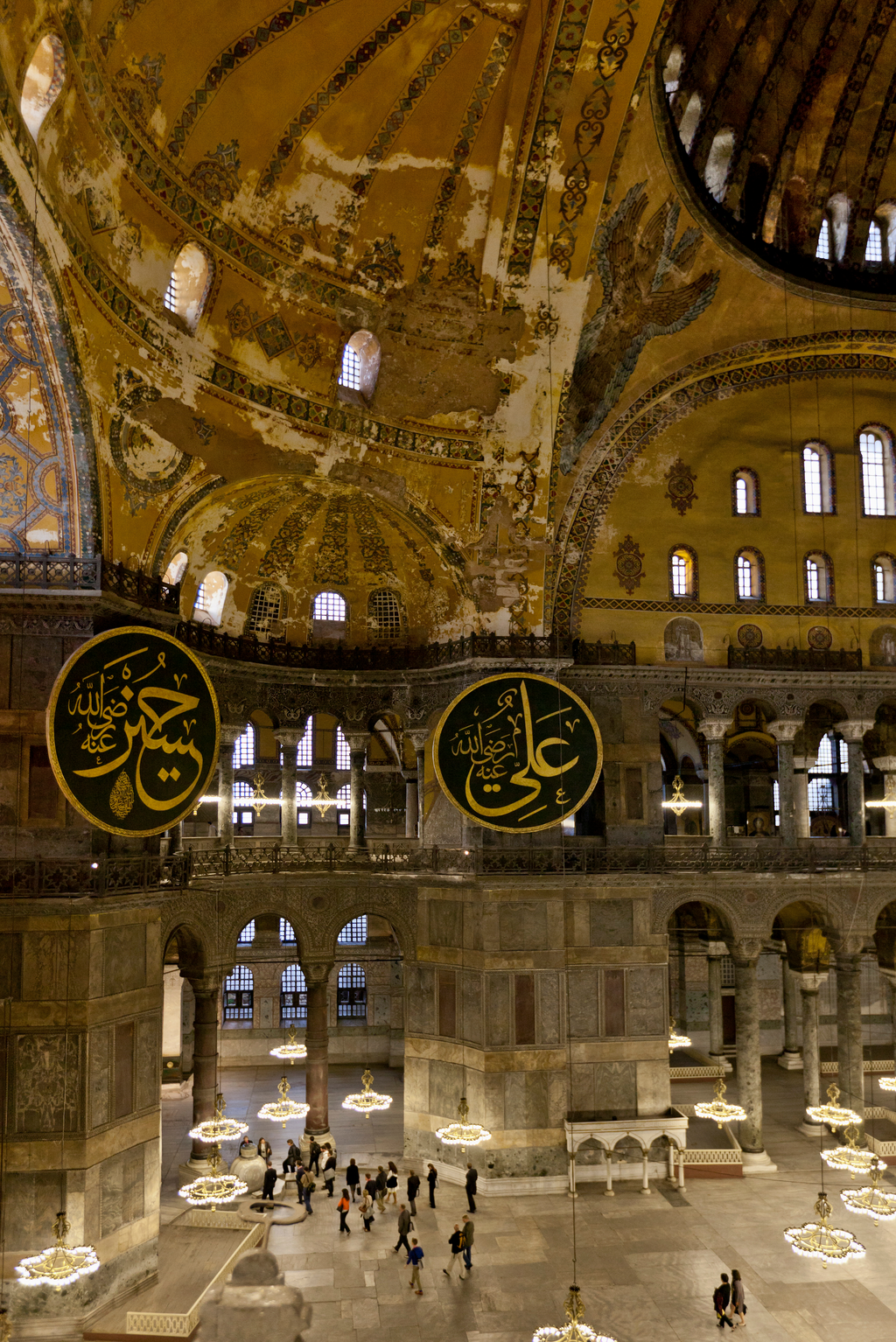
The North Tympanum of Hagia Sophia is one of the most significant architectural features of the building, showcasing remarkable Byzantine mosaics that have survived for over a millennium.
Historical Context
The North Tympanum dates back to the 9th century, during the reign of Emperor Basil I. After the period of Iconoclasm (726-843 AD), when religious images were banned, the Byzantine emperors commissioned new mosaics to adorn the walls of Hagia Sophia. The North Tympanum contains some of the finest examples of this post-Iconoclastic art.
Architectural Features
- Semi-circular wall section beneath the main dome
- Series of windows allowing natural light to illuminate the mosaics
- Gold-leaf background typical of Byzantine art
- Intricate geometric and floral patterns
- Figures of saints and church fathers
Mosaic Details
The mosaics of the North Tympanum depict various saints and patriarchs of the Orthodox Church. Each figure is rendered with exceptional detail, using thousands of tiny tesserae (mosaic pieces) made from glass, gold, and semi-precious stones. The gold backgrounds were created using gold leaf sandwiched between layers of glass.
Preservation
During the Ottoman period, many of the mosaics were covered with plaster and whitewash, which ironically helped preserve them. Modern restoration efforts, beginning in the 1930s, have carefully uncovered these treasures, allowing visitors to once again appreciate their beauty.
Visiting Information
The North Tympanum is visible from the main nave of Hagia Sophia. For the best view, visit during morning hours when natural light streams through the windows, illuminating the golden mosaics.