Hagia Sophia Mosaics
Discover the magnificent Byzantine mosaics - over 30 million gold tesserae creating masterpieces that have survived for over 1,000 years
The Golden Legacy of Byzantium
The mosaics of Hagia Sophia represent the pinnacle of Byzantine artistic achievement. Created over several centuries, these stunning works of art feature religious imagery rendered in millions of gold and colored glass tesserae. Though many were covered or damaged during the Ottoman period, extensive restoration has revealed these treasures to the world once again.
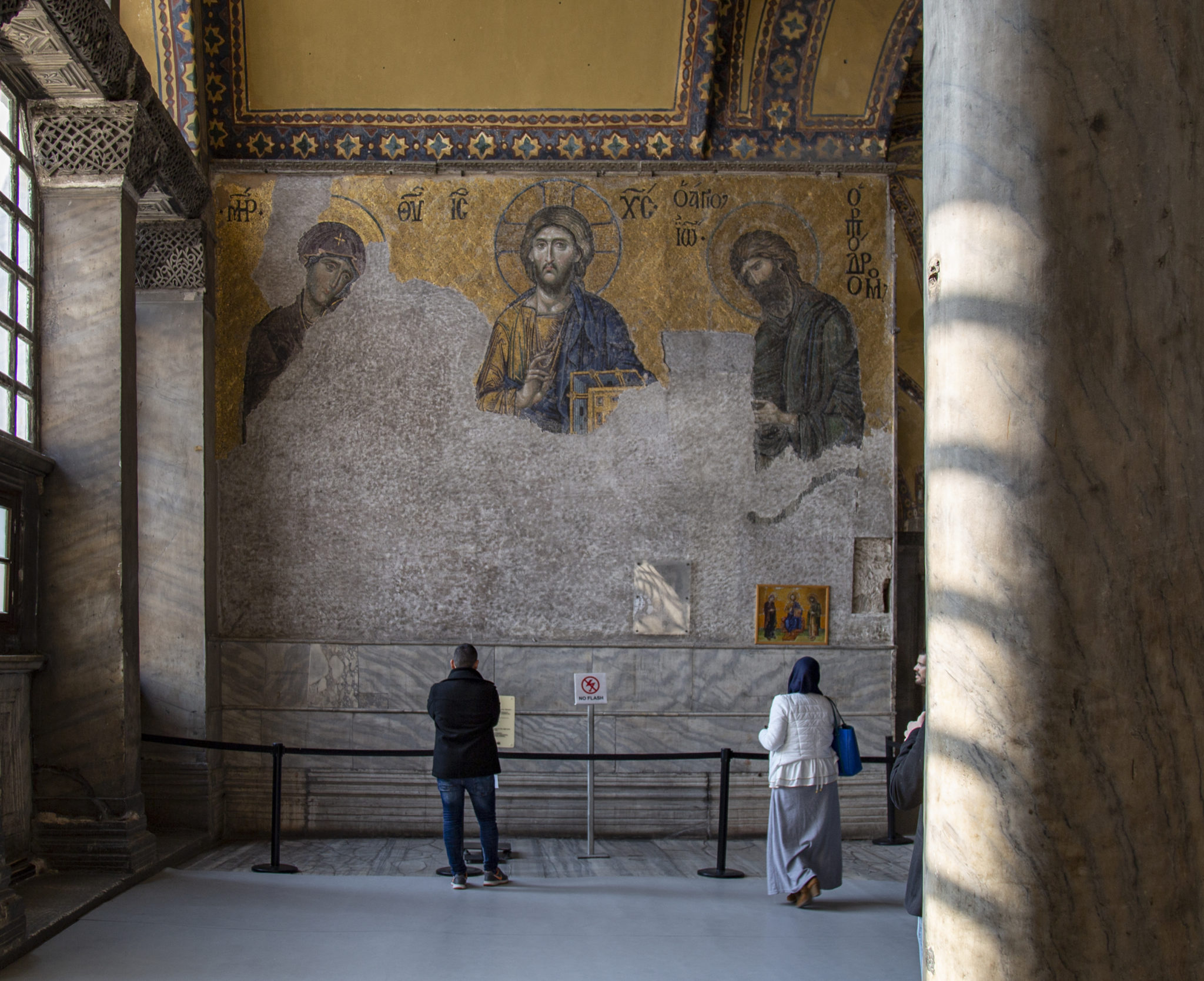
Deesis Mosaic
Masterpiece of Byzantine artConsidered the finest Byzantine mosaic in existence, the Deesis depicts Christ Pantocrator flanked by the Virgin Mary and John the Baptist. The subtle shading and emotional depth of the figures represent the height of Byzantine artistic achievement.
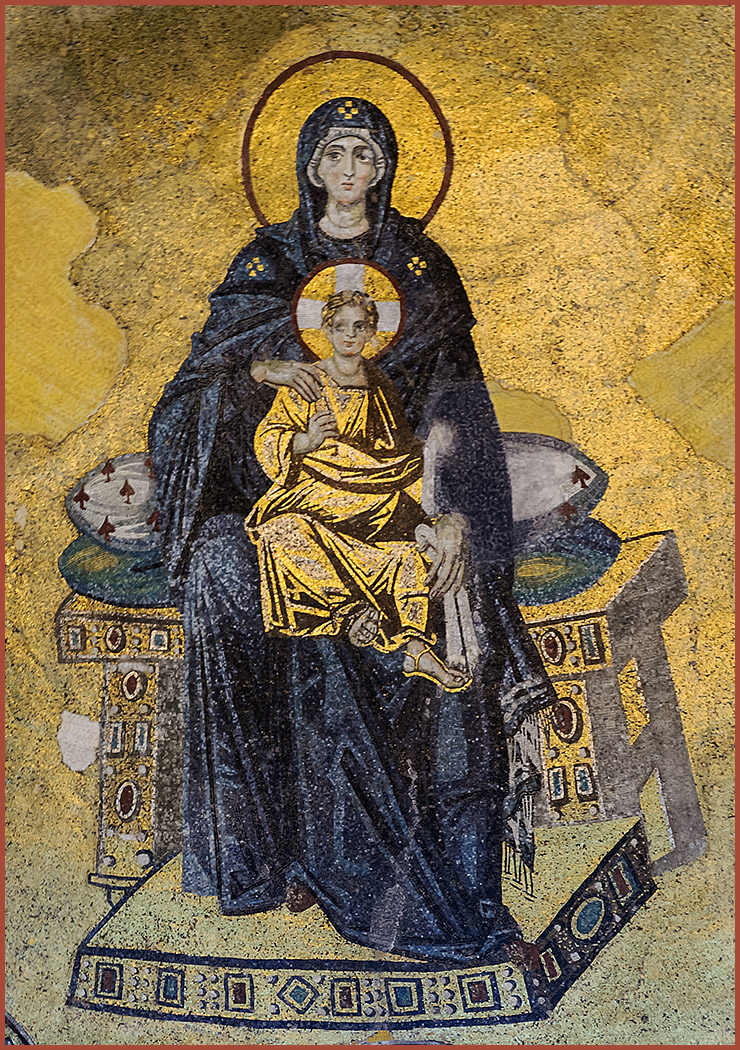
Virgin Mary and Christ Child (Apse Mosaic)
First post-Iconoclasm figural mosaicThis iconic mosaic in the apse shows the Virgin Mary enthroned, holding the Christ Child. It was the first figural mosaic created after the end of Byzantine Iconoclasm and marks the triumph of icon veneration.
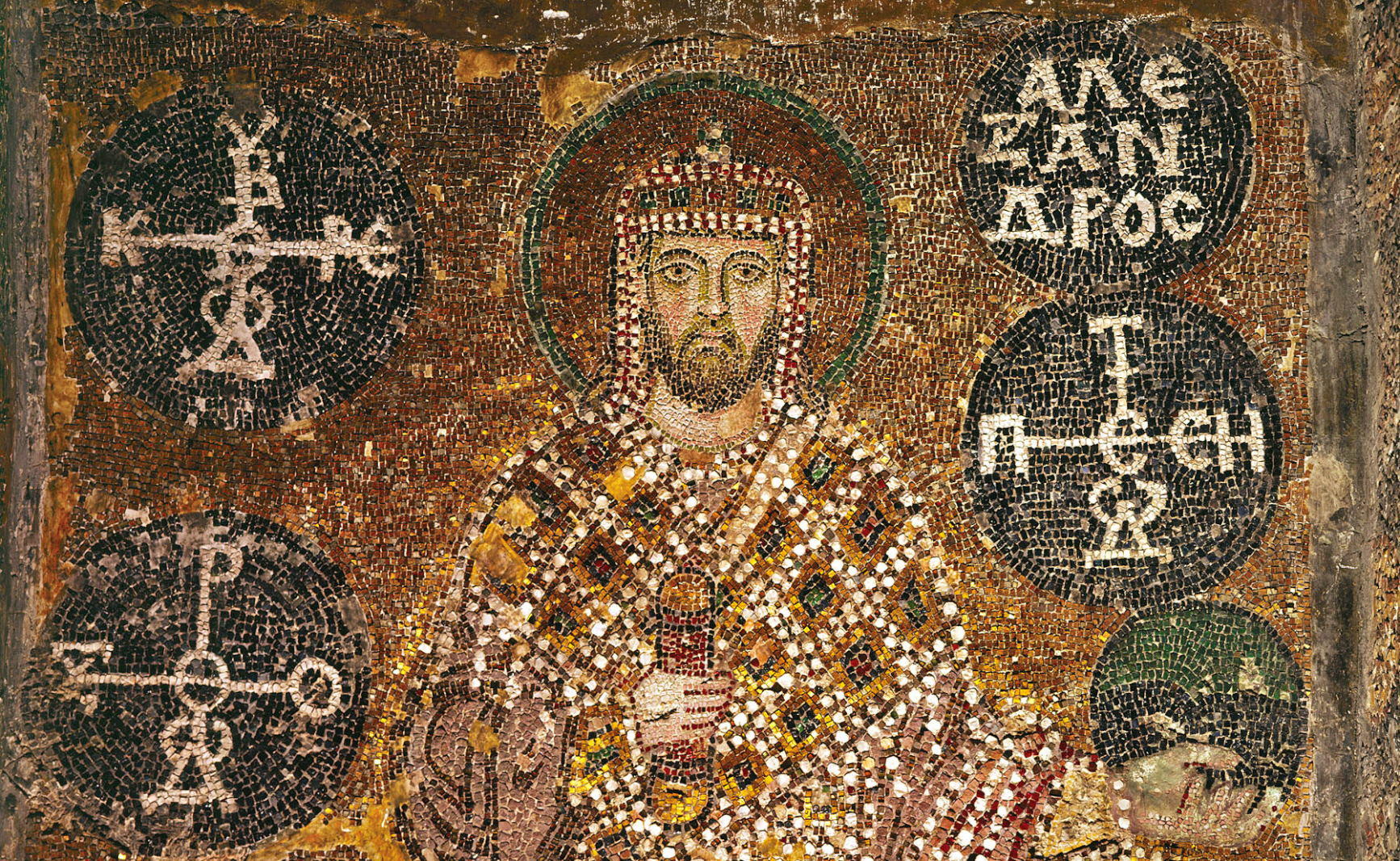
Emperor Alexander Mosaic
Rare imperial portraitThis portrait mosaic depicts Emperor Alexander in full imperial regalia with a halo, surrounded by medallions containing Greek monograms. Alexander ruled briefly as Byzantine Emperor and this mosaic is one of the few surviving imperial portraits from Hagia Sophia.
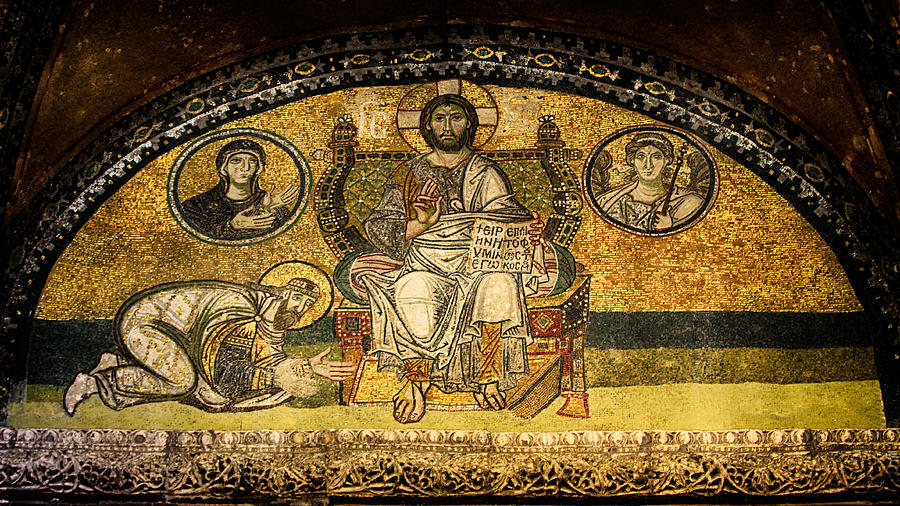
Imperial Door Mosaic
Symbol of imperial-divine authorityShows Emperor Leo VI prostrating before Christ Enthroned, with medallions of the Virgin Mary and Archangel Gabriel. This mosaic emphasizes the divine authority of the Byzantine emperor.
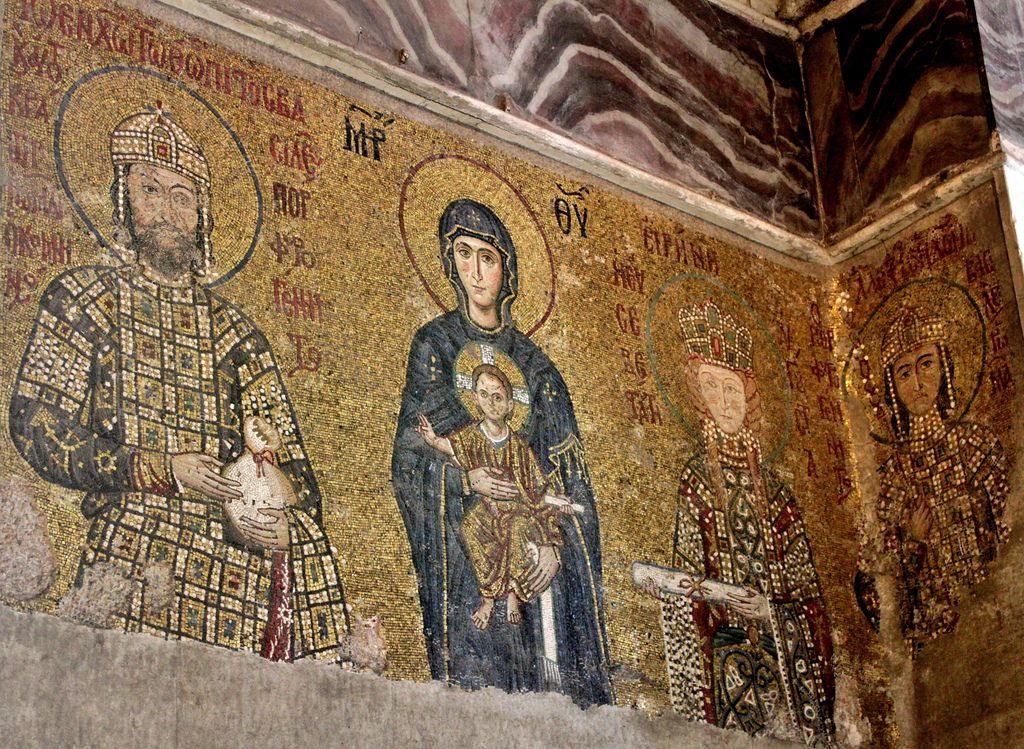
Comnenus Mosaic
Imperial family portraitDepicts the Virgin Mary holding Christ between Emperor John II Comnenus and Empress Irene. A later addition shows their son Alexios. The mosaic showcases imperial patronage of religious art.
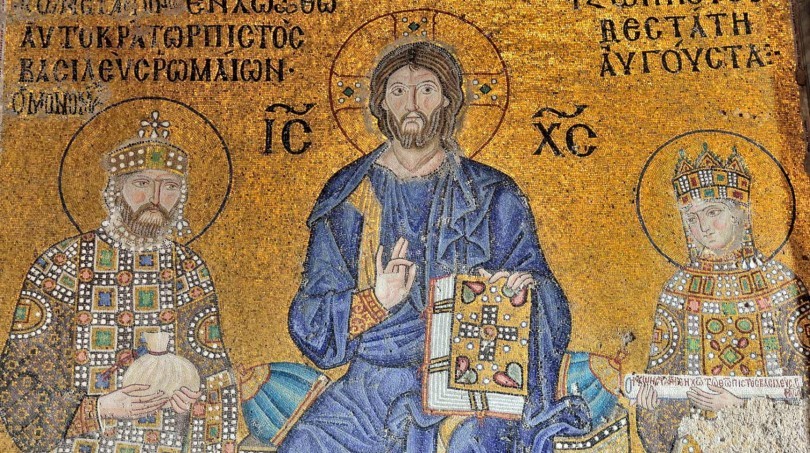
Zoe Panel
Political and religious symbolismShows Christ between Emperor Constantine IX Monomachos and Empress Zoe. Notably, the emperor's face was changed when Zoe remarried, evidence of the mosaic's political significance.
Mosaic Technique
Byzantine mosaics were created using tesserae - small cubes of glass, stone, or ceramic. The gold tesserae that dominate Hagia Sophia's mosaics were made by sandwiching gold leaf between layers of glass. These pieces were set at slightly different angles to catch and reflect light, creating the shimmering effect that earned the building its reputation as a glimpse of heaven on earth.
Best Times to View
The mosaics are best viewed in natural daylight when the gold tesserae catch the light streaming through the windows. Morning light is particularly beautiful in the main apse, while afternoon sun illuminates the upper gallery mosaics.