Hagia Sophia's Known and Unknown Sounds: An Acoustic Guide (2026)
Hagia Sophia, a masterpiece in Istanbul, offers a captivating auditory experience alongside its visual splendor. As of 2026, its unique acoustic structure continues to amaze millions of visitors. This guide delves into the known and unknown sounds within its ancient walls, providing insights into what makes Hagia Sophia's acoustics so profoundly special and integral to its historical and architectural significance.
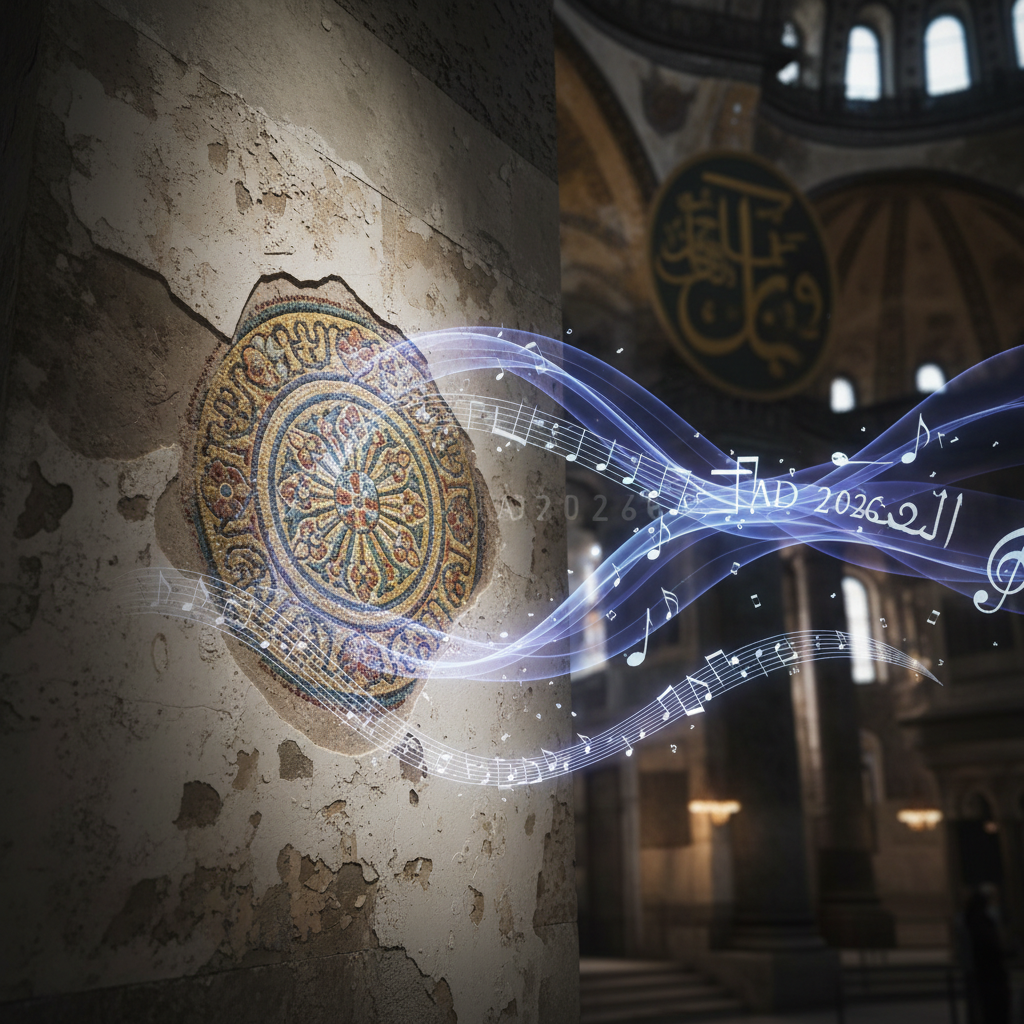
Hagia Sophia Acoustics: Exploring Its Unique Soundscape (2026)
In the heart of Istanbul, Hagia Sophia greets its visitors with a perfect blend of history and architecture, offering not only a visual feast but also a captivating auditory experience. The unique Hagia Sophia Acoustics, in particular, is one of the elements that makes this ancient building truly unique. As of 2026, Hagia Sophia continues to welcome millions of tourists from all over the world. This article will take you on a journey into the sound world of Hagia Sophia, explaining everything from its architectural secrets to today's visitor experiences, focusing on its remarkable Hagia Sophia Acoustics. Mysteries & Legends of Hagia Sophia
Hagia Sophia's Unique Acoustic Heritage and Construction Secrets
The 6th century, when Hagia Sophia was built, had significantly more limited means in terms of sound engineering compared to today's technology. Nevertheless, the architects and engineers of the period designed the structure in such a way that sounds produced inside were carried to another dimension. Consequently, this ensured that sermons and hymns were clearly heard by the entire congregation, especially during periods when Hagia Sophia served as a place of worship. The advanced Hagia Sophia Acoustics were truly ahead of their time. You can read more about when Hagia Sophia was built for a complete historical overview.
The Dome Structure's Effect on Hagia Sophia Acoustics
Hagia Sophia's massive dome not only offers visual splendor but also forms the basis of its excellent Hagia Sophia Acoustics properties. The smooth and circular structure of the dome's inner surface ensures that sound waves spread and echo regularly. This, in turn, helps the sound to be distributed homogeneously within the building, preventing it from getting lost.
- Reverb Time: The dome effectively reduces the absorption of sound waves, creating a long reverberation time. This phenomenon adds a mystical depth to music and speech, particularly during religious ceremonies, showcasing the power of Hagia Sophia Acoustics. For further insight into the building's deeper meanings, consider exploring Hagia Sophia's Cosmic Connections.
- Sound Focusing: At certain points, the geometry of the dome focuses sound energy on specific areas, creating mysterious "whispering galleries" effects. This undeniably stands as a testament to the building's engineering genius and its sophisticated Hagia Sophia Acoustics.
- Material Usage: Furthermore, lightweight materials such as brick and mortar ensure less sound absorption, thereby increasing acoustic performance.
The Use of Hagia Sophia Acoustics Throughout History
Although the purpose of Hagia Sophia has changed throughout history, its acoustic properties have consistently played a major role in every period. When it was initially built as a cathedral, the Hagia Sophia Acoustics contributed significantly to the grandeur of imperial ceremonies and religious rites. Later, when it was converted into a mosque, it enhanced the impressiveness of adhans, sermons, and Quran recitations.
Byzantine Period and Church Acoustics
During the Byzantine period, the sound of hymns sung and prayers recited in Hagia Sophia reached the entire congregation, thanks to its unique acoustics. Choral voices echoed with a tremendous reverberation under the dome, crafting a deeply spiritual atmosphere. This acoustic arrangement undeniably made worship more impressive and unforgettable. The advanced Hagia Sophia Acoustics were crucial for these grand ceremonies. For a deeper dive into the broader influence, refer to this UNESCO article on Hagia Sophia's World Heritage status.
Ottoman Period and Mosque Acoustics
When Hagia Sophia was converted into a mosque after the conquest by Fatih Sultan Mehmet, its acoustic structure adapted perfectly to this new function. The sound of sermons read from the minbar and the Quran recited from the mihrab filled the large area under the dome, reaching the entire congregation. The adhans, in particular, had an impressive echo that could be heard even from outside, thanks to the remarkable Hagia Sophia Acoustics features.
Hagia Sophia Today: Soundscape and Visitor Experience (2026)
In 2026, visitors to Hagia Sophia can still experience this unique acoustic phenomenon firsthand. Upon entering, you may notice a slight hum emanating from the high ceilings and the massive dome, or the reverberation of visitors' own voices. This characteristic of Hagia Sophia Acoustics is something the structure has preserved for centuries, offering a continuous acoustic journey.
For visitors planning their journey, insight into Hagia Sophia in 2026: A Visitor's Journey provides further practical details.
What Visitors Hear and Perceive from Hagia Sophia Acoustics
When speaking loudly or clapping in Hagia Sophia, it is quite possible to observe clearly how the sound echoes throughout the building. The adhans recited by the muezzins, especially, reveal the acoustic power of this historical structure once again. Visitors may sometimes even witness an unexpected echo or an unusual way sound travels within its vast space, a testament to the incredible Hagia Sophia Acoustics. For a digital experience, explore Hagia Sophia's Digital Heritage with virtual tours and 3D models.
- Calm and Tranquility: The vast and high space naturally creates a sense of calm and tranquility, even during crowded times. Sounds tend to disperse into a muffled whisper, contributing to this peaceful ambiance, thanks to the unique Hagia Sophia Acoustics.
- Magical Sounds: At certain points, specifically, the sound can be felt to concentrate or undulate magically, creating an ethereal experience.
- Spiritual Impact: The combination of architectural and acoustic elements evokes a deep sense of spirituality and reverence in visitors, making it more than just a historical site.
Scientific Analysis and Modern Findings of Hagia Sophia Acoustics
The acoustic secrets of Hagia Sophia continue to attract the attention of scientists and engineers even today. Research consistently shows how advanced this ancient structure is in terms of sound science. New analyses conducted in 2026, in particular, demonstrate that the acoustic modeling of this historical structure can still provide valuable lessons for contemporary building designs, especially regarding Hagia Sophia Acoustics.
Acoustic Modeling and Simulations of Hagia Sophia Acoustics
Utilizing modern computer-based acoustic modeling tools, extensive simulations of Hagia Sophia have been carried out. These simulations have meticulously analyzed how the structure directs and propagates sound waves. Consequently, these findings support the results reached intuitively or through experience by the builders centuries ago. Such studies have once again profoundly proven the genius of Hagia Sophia Acoustics design.
Further scientific details on historical acoustics can be found on reputable academic platforms such as JSTOR's collection of architectural acoustics research.
Contribution of Materials to Hagia Sophia Acoustics
The sound absorption and reflection values of the materials used in the structure contribute significantly to Hagia Sophia's unique acoustic signature. Mosaic-covered surfaces, rugged stone walls, and strategic wooden elements all affect the behavior of sound at different frequencies. These intricate details are hidden factors that specifically enrich the Hagia Sophia Acoustics properties. Scientific analyses confirm that these materials serve not only an aesthetic but also a crucial functional purpose.
Hagia Sophia Acoustics and Mystical Stories
The unique Hagia Sophia Acoustics have inspired many mystical stories and legends over the centuries. These legends reinforce the belief that the structure possesses a spiritual power extending beyond just being a physical space. Interestingly, some of these stories are deeply rooted in acoustic phenomena, particularly in specific corners or galleries.
Whispering Galleries and Mysterious Sounds in Hagia Sophia
The "whispering galleries" located in the upper floor galleries of Hagia Sophia offer one of the most striking examples of its acoustics. In these areas, a word or sentence whispered against one wall can be clearly heard from another point on the opposite wall. This unique phenomenon has consistently aroused astonishment and admiration among visitors for centuries, highlighting the marvel of Hagia Sophia Acoustics.
Legendary Echoes and Divine Sounds of Hagia Sophia Acoustics
Some legends suggest that the echoes or sounds heard in the dome of Hagia Sophia are reflections of spirits from the past or divine messages. These intriguing stories further deepen the spiritual atmosphere of the building and offer visitors not only a historical but also a truly mystical experience. The magic of Hagia Sophia Acoustics has undeniably played an important role in nourishing these enduring legends. Further information on the legends and mysterious inhabitants of Hagia Sophia can be found elsewhere on our site.
- Sacred Whispers: Some visitors claim to hear incomprehensible whispers emanating from the dome, which only adds to the profound mystery of Hagia Sophia.
- Miraculous Echoes: Beliefs persist that prayers or hymns recited in certain parts of the building return with a much more powerful and impressive echo, thanks to the exceptional Hagia Sophia Acoustics.
In 2026, Hagia Sophia continues to enchant humanity with both its awe-inspiring architecture and its unique Hagia Sophia Acoustics structure. This ancient building is not just a church or a mosque; it is a living museum offering an unparalleled combination of history, science, and spirituality. Visitors, while experiencing this unique soundscape, feel themselves to be part of a profound journey stretching back thousands of years. For more about the wider cultural impact, explore this National Geographic piece on Hagia Sophia's history.