Hagia Sophia's Traveling Artisan Women: Touches and Tales from the Past to 2026
Hagia Sophia, a timeless marvel, holds countless untold stories. Among the most compelling are those of its women artisans, whose skilled hands and creative spirit shaped its grandeur through centuries. This article delves into their often-overlooked contributions, tracing their impact from ancient times to the present day in 2026, highlighting their intricate crafts and lasting legacy. Discover the hidden narratives behind one of the world's most iconic structures.
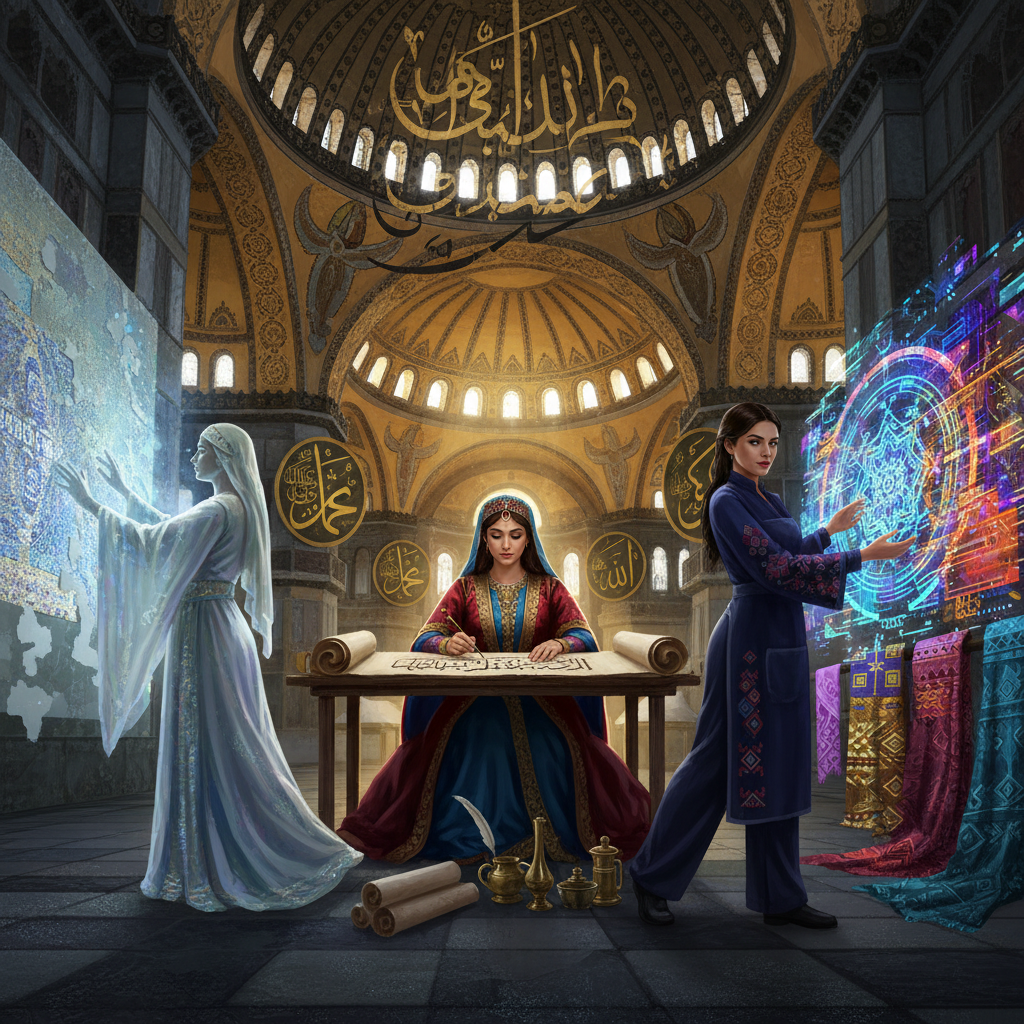
Hagia Sophia Women Artisans: Touches and Stories from the Past to 2026
Istanbul's heart, the cradle of civilizations, Hagia Sophia, continues to mesmerize not only with its architecture but also with the stories that have echoed within its walls for centuries. A lesser-known but invaluable aspect of this unique structure is the labor and spirit of the Hagia Sophia women artisans, extending from the past to the present. Their skilled hands have carried a hidden legacy in every corner of Hagia Sophia, and in this article, we will embark on a deep journey into this mysterious world, focusing on the incredible contributions of Hagia Sophia women artisans. As of 2026, visitors to Hagia Sophia have the opportunity to explore more closely the stories behind these delicate touches.
Historical Roots of Hagia Sophia Women Artisans
From the construction of Hagia Sophia, through the Byzantine and Ottoman periods, women's contributions to artistic production cannot be overlooked. Traces of Hagia Sophia women artisans can be seen in many areas, from mosaic art to textile embroidery, from the decoration of religious objects to manuscripts. Although their names were often not recorded, they added a unique depth to Hagia Sophia's aesthetics and spiritual atmosphere. For a more comprehensive understanding of the human stories intertwining with this monumental site, consider reading about Hagia Sophia's Traveler's Memoir.
Their Role During the Byzantine Empire
- Mosaic Art: It is believed that women artisans played a significant role in the creation of the magnificent mosaics adorning Hagia Sophia's interiors during the Byzantine period. It is specifically thought that women's hands were involved in the selection of small stones, color harmony, and intricate details requiring fine craftsmanship.
- Textile and Embroidery Arts: Many textile products such as curtains used by the congregation, covers, clerical garments, and ceremonial flags were known to be crafted by hand. The skill of Byzantine women in this field was undeniable. Delve deeper into historical clothing through Hagia Sophia's Traveler Garments.
- Decoration of Sacred Objects: Women's contributions were also important in metalwork and miniature details used in the decoration of sacred items like Bible covers, crosses, and votive objects.
Traces of Hagia Sophia Women Artisans in the Ottoman Period
With the conversion of Hagia Sophia into a mosque, the role of Hagia Sophia women artisans evolved into a different dimension. New art forms such as calligraphy, tile work, and hand-woven carpets emerged. Women working in palace workshops or their homes continued to produce works that suited Hagia Sophia's Islamic identity. The stories of Hagia Sophia women artisans, from past to present, also reflect this cultural change.
- Spiritual Books and Fabrics: The fine craftsmanship of women came to the forefront in the bindings of Qurans donated to the mosque, the covers of sarcophagi, and the decoration of religious texts used within the mosque.
- Miniature and Illumination Art: Women were known to be active in Ottoman miniature and illumination art. These delicate touches can be seen in manuscript works specifically prepared for Hagia Sophia.
Forgotten Stories and Today's Legacy: Hagia Sophia Women Artisans
Every sound echoing within Hagia Sophia's walls is a whisper of history. The stories of Hagia Sophia women artisans are one of these whispers. Their works not only carry aesthetic value but also symbolize strength, patience, and creativity. Unfortunately, they have often been overshadowed by male figures in history books. To explore how other forms of art were preserved, consider reading Hidden Poems of Hagia Sophia.
Social Status of Women Artisans
Within the social structure of the period, women's participation in artistic production offered clues about their social status and education levels. Women artisans who established workshops in palaces or the mansions of wealthy families often possessed a high level of education and artistic talent. This was reflected in the quality and intricacy of their works.
Women's Handicraft Exhibitions in Hagia Sophia in 2026
Today, as part of efforts to preserve and promote Hagia Sophia's cultural heritage, special exhibitions and events are organized featuring the works of Hagia Sophia women artisans. As of 2026, visitors have the opportunity to see these unique works up close and learn their stories. These exhibitions serve as a tribute to the forgotten heroines of the past. For a contemporary perspective on the broader artistic landscape of Istanbul, you might consult resources like Istanbul.com's culture and arts section.
- Special Curated Exhibitions: Thematic exhibitions held near or within Hagia Sophia, bringing together works by Byzantine and Ottoman women artisans, attract significant interest.
- Live Workshops: Workshops organized by contemporary women artisans who keep traditional handicrafts alive offer visitors the chance to experience this unique world firsthand.
The Woman's Touch in Hagia Sophia's Mystical Atmosphere
Women's aesthetic understanding and delicate touches have played a significant role in creating Hagia Sophia's spiritual and mystical atmosphere. Every motif, every color, every line is an expression of an emotion and a belief. The works of Hagia Sophia women artisans are invisible energy carriers that nourish this mystical environment.
Mystery in the Details
Visitors who pay attention to the hidden details in Hagia Sophia's complex mosaics, fine calligraphy, or delicate tile panels can discern the women's meticulousness and aesthetic taste. Small motifs, color transitions, and symbols were often shaped by inspiration from women's inner worlds.
- Symbolic Motifs: Animal figures, plant motifs, and geometric patterns reflect women's deep connection with nature and life. Learn more about these natural inspirations through Hagia Sophia's Botanical Motifs and Healing Gardens.
- The Language of Colors: The selection and harmony of colors used in sacred spaces often carried spiritual meanings and were determined by women's aesthetic vision.
Women's Role in Adorning Sacred Spaces
The adornment of sacred spaces like Hagia Sophia was not merely an artistic activity but also a spiritual act of worship. The women who created these works were not just artisans but also spiritual travelers. Their works further strengthened Hagia Sophia's sacred identity.
Hagia Sophia Women Artisans and Transmission to Future Generations
The transmission of this valuable heritage, which has existed throughout history, to the present day and future generations is of great importance. As of 2026, cultural and art centers around Hagia Sophia are striving to sustain this tradition by supporting young Hagia Sophia women artisans. In this way, the concept of "Hagia Sophia women artisans" will represent not only the past but also a bright future.
Revival of Traditional Arts
Today's women artisans draw inspiration from Hagia Sophia's rich artistic past, adding their own modern interpretations. Traditional arts such as illumination, calligraphy, marbling, and tile work are being reinterpreted by a new generation of women with different materials and techniques.
- Modern Applications: The integration of traditional motifs into contemporary art expands Hagia Sophia's artistic influence.
- Education Programs: Workshops and training programs organized in collaboration with the Ministry of Culture and Tourism and non-governmental organizations teach these arts to young women.
Sustainable Heritage and Contribution to Tourism
The works produced by women artisans offer unique souvenirs and memories for tourists visiting Hagia Sophia. This contributes to the local economy and supports the sustainability of traditional handicrafts. Each product crafted by the hands of Hagia Sophia women artisans is a work carrying the spirit of Hagia Sophia.
In conclusion, behind Hagia Sophia's legendary beauty lies the labor, meticulous effort, and spirit of countless Hagia Sophia women artisans whose names we do not know. Their works are silent witnesses to Hagia Sophia's transformation over time. Every individual visiting Hagia Sophia in 2026, while tracing these profound stories, will also find the footsteps of powerful women from the past. Preserving this heritage and passing it on to future generations is our shared responsibility.