Hagia Sophia's Traveler Universes: From Astronomical Observations to Cosmic Secrets 2026
As we enter 2026, Hagia Sophia, a timeless architectural masterpiece, continues to reveal its profound connections to astronomy. This article delves into how this iconic structure, having hosted numerous civilizations, holds mysterious clues within its design, detailing ancient astronomical observations and cosmic secrets. Discover the celestial wonders embedded in Hagia Sophia's rich history.
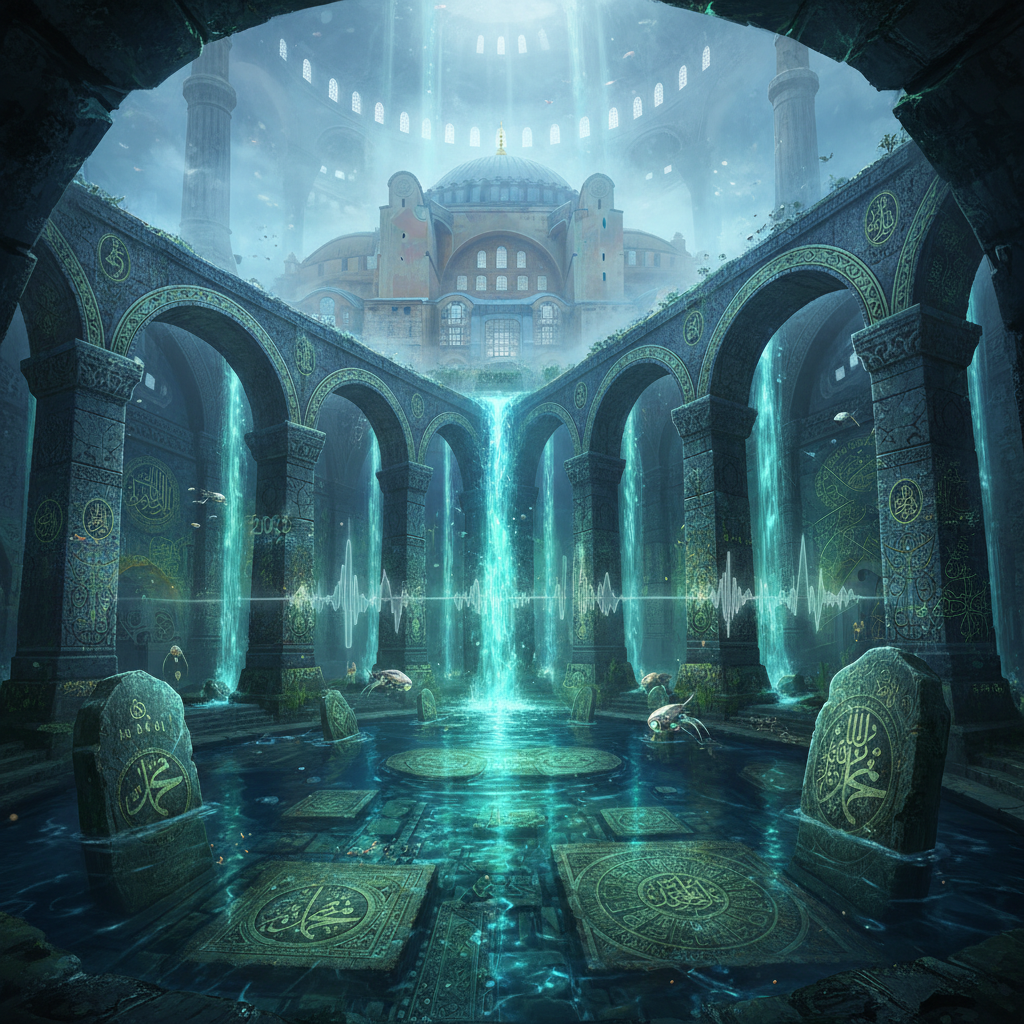
Hagia Sophia Astronomy: From Observations to Cosmic Secrets
As we enter 2026, Hagia Sophia, which has stood for centuries and hosted many civilizations throughout history, stands out not just as an architectural masterpiece but also as a structure containing mysterious clues in the field of Hagia Sophia Astronomy. This unique structure is full of details that reveal its deep connection with celestial bodies from the periods of its construction. As visitors discover the astronomical information hidden in Hagia Sophia's ceilings, walls, and overall design, they will find themselves in the mystical embrace of both history and science. For more on the spiritual connections within, explore Hagia Sophia's Mysterious Icons and Symbolic World: Millennial Codes Deciphered in 2026.
Hagia Sophia Astronomy and Architectural Synchronization
The engineering marvels used in Hagia Sophia's construction are astonishing not only for their grandeur but also for their relationship with the sky. The building's orientation, the placement of windows, and the interior lighting are related to specific astronomical events. Especially during equinoxes and solstices, the visual feast created by sunlight within the interior demonstrates how advanced astronomical knowledge was in ancient times. To understand how every detail contributes to this marvel, consider the significance of Hagia Sophia's Traveler Stairs: Footsteps Through Centuries and Mysterious Layers (2026).
The Sun's Dance Inside Hagia Sophia
- On certain dates each year, sunbeams fall on specific points of the structure, creating special illuminations.
- These light plays offer a different spiritual experience for worshippers, while also proving the architects' mastery in astronomical calculations.
- Some researchers suggest that these illuminations might be related to calendar or religious celebrations.
Astronomical Knowledge in Past Civilizations
In the Roman and Byzantine periods, astronomy was vital for creating calendars, organizing agricultural activities, and determining religious rituals. Hagia Sophia astronomy research reveals how this ancient knowledge was incorporated into the building's DNA. The deep connection of people living in that era with celestial bodies was also reflected in the architecture of Hagia Sophia. For context on the scientific understanding of the era, you might find this article on Byzantine science relevant.
Hagia Sophia's Orientation and Universal Context
Hagia Sophia's fundamental orientation was determined to be in accordance with both the Christian tradition of facing east, towards Jerusalem, and astronomical data. This shows that the structure was not just a religious center but also in harmony with a cosmic order. The main apse facing east allows the interior to be illuminated by the sunrise, offering a symbolic representation of divine light. The intricate details of its construction and the stories within can be further explored through Hagia Sophia's Traveling Artists: Mysterious Stories Behind Colors and Lines (2026).
Star Charts and Wall Paintings
Some theories suggest that the mosaics and frescoes on Hagia Sophia's walls might have been inspired by star charts known at the time. These claims are based on the idea that in addition to direct astronomical symbols, stars and planets were depicted through indirect narratives in the structure. Although no definitive evidence has been found yet, these views keep the curiosity about Hagia Sophia astronomy alive.
Ancient Astronomical Instruments and Observations
In the ancient world, astronomical observations were typically made with the naked eye, and these observations were carried out from observation points established within or near large structures. It is possible that a monumental structure like Hagia Sophia offered a suitable platform for such observations. The roof or high towers of the structure could have provided a wider view of the sky, ideal for tracking the movements of stars and planets.
Ottoman Period and Hagia Sophia Astronomical Traditions
Even after Fatih Sultan Mehmet converted Hagia Sophia into a mosque, the structure's astronomical significance continued. The importance given to astronomy in the Ottoman Empire was considerable, and many observatories were established during this period. The determination of the Qibla direction of Hagia Sophia was also done with astronomical calculations. This shows that the structure maintained its connection with the sky even under different civilizations. The influence of astronomy in Ottoman architecture is well-documented.
Determination of the Qibla Direction
- After Hagia Sophia was converted into a mosque, the determination of its Qibla direction was carried out by leading astronomers of the period.
- This process required precise measurements and mathematical calculations, thereby ensuring that prayers were performed in the correct direction.
- This situation is an important example where both religious and scientific knowledge were harmonized.
Muvakkithane and Timekeeping
In Ottoman mosques, there were muvakkithanes, rooms where time was set and prayer times were determined. The existence of mechanisms with similar functions in Hagia Sophia further proves how deeply rooted the relationship with Hagia Sophia astronomy is. These units would monitor the movements of the sun and stars to make precise time measurements.
Hagia Sophia's Cosmic Architecture and Mysterious Symbols
Today, Hagia Sophia appears to hold the keys to a cosmic riddle, beyond being just a historical building. The structure's proportions, the size of its dome, and the overall design concept are based on mathematical principles that refer to the fundamental symmetries of the universe and the golden ratio. Even in 2026, researchers continue to unravel the advanced mathematical and astronomical knowledge in Hagia Sophia's construction. Discover more about the subtle yet profound elements, such as those discussed in Hagia Sophia's Mystical Lanterns: Illuminating Tales and Enigmatic Lamps from the Past to 2026.
Golden Ratio and Sacred Geometry
The golden ratio and sacred geometry principles observed in Hagia Sophia's architecture suggest that the structure is not only aesthetic but also reflects a cosmic harmony. The use of these ratios might have been preferred to symbolize the fundamental nature and harmony of the universe.
Modern Astronomy and Hagia Sophia
Thanks to today's modern astronomical techniques and computer modeling, previously unnoticed connections related to Hagia Sophia astronomy can be revealed. For example, the sun exposure angles or window alignments of the structure on specific dates can be matched with ancient astronomical observations. Such studies strengthen the idea that Hagia Sophia might have functioned not only as a place of worship but also as a type of ancient observatory.
Hagia Sophia Astronomy Experience for Visitors
Visitors to Hagia Sophia can experience not only its magnificent architecture but also the structure's silent dialogue with the sky. Guided tours or interactive exhibitions can offer visitors the opportunity to understand the astronomical aspects of Hagia Sophia more deeply. Especially experiencing the interplay of light inside Hagia Sophia at sunset or sunrise means fully feeling the cosmic allure of this unique structure. Consider also the ambient Hagia Sophia's Mystical Water Sounds: Whispers of Ages and Secret Waterways Beneath in 2026.
Mystical Stories and Legends
There are many legends and mystical stories related to Hagia Sophia. Some of these stories tell of unusual circumstances during the building's construction or the legendary features it acquired over time. Some legends claim that the structure was built by a force from the heavens or that certain cosmic events influenced its destiny. Such narratives further deepen the theme of Hagia Sophia astronomy.
Future Research Areas
In 2026 and beyond, research into astronomy and astrology at Hagia Sophia will further develop with new technologies. Methods such as laser scanning, 3D modeling, and satellite imagery can reveal the structure's hidden astronomical alignments and symbols. These studies will show that Hagia Sophia is not only an architectural heritage but also a unique testament to the ancient world's knowledge of the sky. Hagia Sophia will continue to fascinate its visitors with this cosmic connection from past to present.