Hagia Sophia's Botanical and Garden Secrets: Where Green Meets History (2026)
Discover the Hagia Sophia gardens, a peaceful green oasis in Istanbul that beautifully intertwines ancient history with serene botanical charm. These gardens surrounding the iconic Hagia Sophia offer a much-needed escape from city noise, creating a tranquil bridge between a glorious past and the vibrant present of 2026. An indispensable stop for history and nature lovers alike.
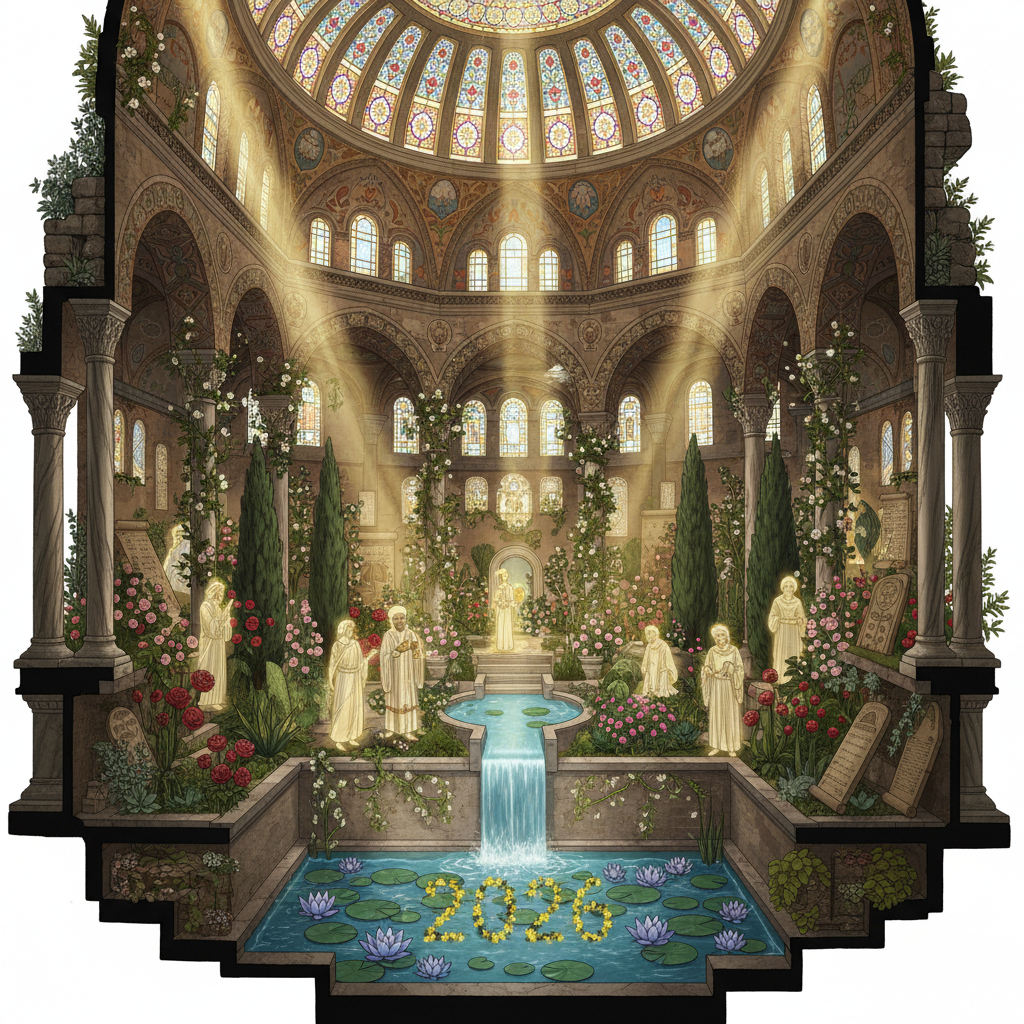
Hagia Sophia Gardens: Where Green Meets History (2026)
In the heart of Istanbul, intertwined with the breathtaking beauty of Hagia Sophia, a monument boasting thousands of years of history, the Hagia Sophia gardens offer visitors not just a monumental structure but also a peaceful green oasis. Indeed, these gardens, surrounding this ancient and sacred place, are an indispensable stop for anyone looking to escape the city noise and build a serene bridge between the past and the present. As of 2026, these gardens still retain their pristine splendor and provide unforgettable experiences for visitors. For more on the marvels of this timeless city, you might enjoy reading about Istanbul Reflected in the Hagia Sophia.
The Historical and Mystical Face of Hagia Sophia Gardens
The surroundings of Hagia Sophia began to take shape with its construction, bearing the traces of different civilizations over centuries. These areas, an important part of the imperial palace and the church during the Byzantine period, became part of the mosque complex during the Ottoman period. Consequently, the Hagia Sophia gardens attract attention not only with their aesthetic beauty but also with the mystical stories they carry. These stories echo through the ages, much like the intercultural encounters and human stories documented by travelers to Hagia Sophia.
Byzantine Era Green Spaces
During the Byzantine Empire, the area around Hagia Sophia was filled with private palace gardens and public green spaces. These gardens hosted imperial ceremonies and were used for rest and meditation. Ultimately, enriched with ornamental plants, medicinal herbs, and fruit trees, these areas reflected the aesthetic understanding of the period.
Ottoman Era Additions to the Hagia Sophia Gardens
After the conquest of Istanbul, with the conversion of Hagia Sophia into a mosque, its surrounding gardens also acquired a new look. Blended with the aesthetics and functionality of Ottoman architecture, the gardens were enriched with tombs, fountains, and ablution facilities. Specifically, the Hagia Sophia gardens were primarily arranged as places of worship and burial during this period, but they also continued to offer a visual feast adorned with plane trees and roses.
The Current Flora of Hagia Sophia Gardens
When you visit today, you will see that the Hagia Sophia gardens combine the grandeur of the past with today's ecological sensitivity. The gardens host ancient trees and are adorned with seasonal flowers, always possessing a vibrant atmosphere. In 2026, the diversity of plants has been further increased through ongoing landscaping work, enhancing the natural beauty of the Hagia Sophia gardens. This dedication to natural beauty complements the architectural genius visible in Hagia Sophia's Legendary Masters.
- Centuries-Old Plane Trees: Some of the most striking elements of the garden are the enormous plane trees that have defied centuries. These trees not only provide shade for visitors but also create an evocative atmosphere as living witnesses of history.
- Rose Gardens: An indispensable part of Ottoman aesthetics, roses are found in special sections within and around the Hagia Sophia courtyard. Roses blooming in different colors every season add a romantic and mystical touch to the garden.
- Seasonal Flowers: Seasonal flowers such as tulips, hyacinths, and daffodils transform the garden into a colorful painting at certain times of the year, thanks to the careful work of the gardeners. This spectacle should not be missed, especially in spring.
- Medicinal Herbs and Aromatic Plants: In some special areas, you can see medicinal herbs and aromatic plants that were used during the Byzantine and Ottoman periods. These plants blend different scents into the garden, offering a sensory experience.
Hidden Secrets and Mysteries in Hagia Sophia Gardens
Located at the intersection of history and faith, the Hagia Sophia gardens not only offer a visual feast but also harbor many secrets and mysteries. Consequently, these secrets are full of stories waiting for visitors to discover within the exquisite Hagia Sophia gardens. These unseen layers of history can be as compelling as the architectural plans and historical documents sometimes found in archives, illustrating the depth of its heritage.
Monumental Tombstones and Tombs
An essential part of the gardens are the monumental tombstones and tombs. Around Hagia Sophia, there are tombs belonging to Ottoman sultans and important personalities. These tombs offer important information to history enthusiasts, both architecturally and through the inscriptions and symbols on them. Each tombstone whispers a different life story, adding depth to the Hagia Sophia gardens experience.
Lost Fountains and Sabil-Kuttabs
According to historical sources, there were multiple fountains and sabil-kuttabs around Hagia Sophia. While some have been restored today, others have been lost over time, and only their remnants remain. These lost water structures offer clues about the past use of the gardens and stir the imagination of visitors exploring the Hagia Sophia gardens.
Hagia Sophia Gardens: Things to Do from a Tourist's Perspective (2026)
As of 2026, there are many interesting activities and must-see places for tourists visiting the Hagia Sophia gardens. Truly, these gardens are a destination as worthy of exploration as Hagia Sophia itself. For a more detailed itinerary, consult a Hagia Sophia Traveler's Guide 2026.
- Relaxing Walks: Enjoy a pleasant stroll in the lush green atmosphere of the gardens to escape the city noise and savor the historical fabric. Especially early mornings or late afternoons offer a calmer experience when crowds have diminished in the Hagia Sophia gardens.
- Photography: The gardens, combined with Hagia Sophia's magnificent architecture, offer unique shots for photographers. Ancient trees, colorful flowers, and historical structures allow you to collect wonderful memories.
- Visiting the Sultan Tombs: You can delve into the depths of history by visiting the tombs of the Ottoman sultans located within the garden, and witness the eternal resting places of important figures such as Fatih Sultan Mehmet and Suleiman the Magnificent.
- Tea or Coffee Break: Enjoy a cup of tea or coffee in the peaceful atmosphere of the gardens at cafes around Hagia Sophia or small resting areas located nearby. This will make your visit more enjoyable.
- Museum Pass Advantages: If you have a Museum Pass, entry to some special sections may be easier and discounted. It is advisable to check 2026 up-to-date information before your visit to the Hagia Sophia gardens. Further insights into the monument's ongoing significance can be found on sites like National Geographic's Hagia Sophia feature.
Planning Your Visit to Hagia Sophia Gardens
To make the most of your visit to the Hagia Sophia gardens, consider visiting during the spring or autumn months when the weather is most pleasant and the flora is at its peak. Guided tours are often available, offering deeper insights into the history and botanical significance of the Hagia Sophia gardens. Don't forget to wear comfortable shoes as you explore this expansive and historically rich area.
The Hagia Sophia gardens possess a beauty that appeals not only to the eyes but also to the soul. Indeed, every corner holds a different story, a different history, and a different feeling. Every tourist coming to Istanbul is strongly recommended to experience this unique journey and discover this rare place where history and nature embrace. This is not just a garden, but also an area where living history and a mystical atmosphere breathe, providing an unforgettable experience in the Hagia Sophia gardens.