Hagia Sophia's Mysterious Layers: Centuries of Geological Secrets and Whispers of Stones (2026)
Rising majestically in the heart of Istanbul, Hagia Sophia is not merely a place of worship or a museum, but a unique monument teeming with geological secrets. This ancient structure, renowned for its architectural genius, also draws attention due to the geological characteristics of its construction materials and ground. In 2026, researchers continue to unravel the mysteries embedded within its stones, offering new perspectives on its enduring legacy and the hidden stories that lie beneath its grandeur.
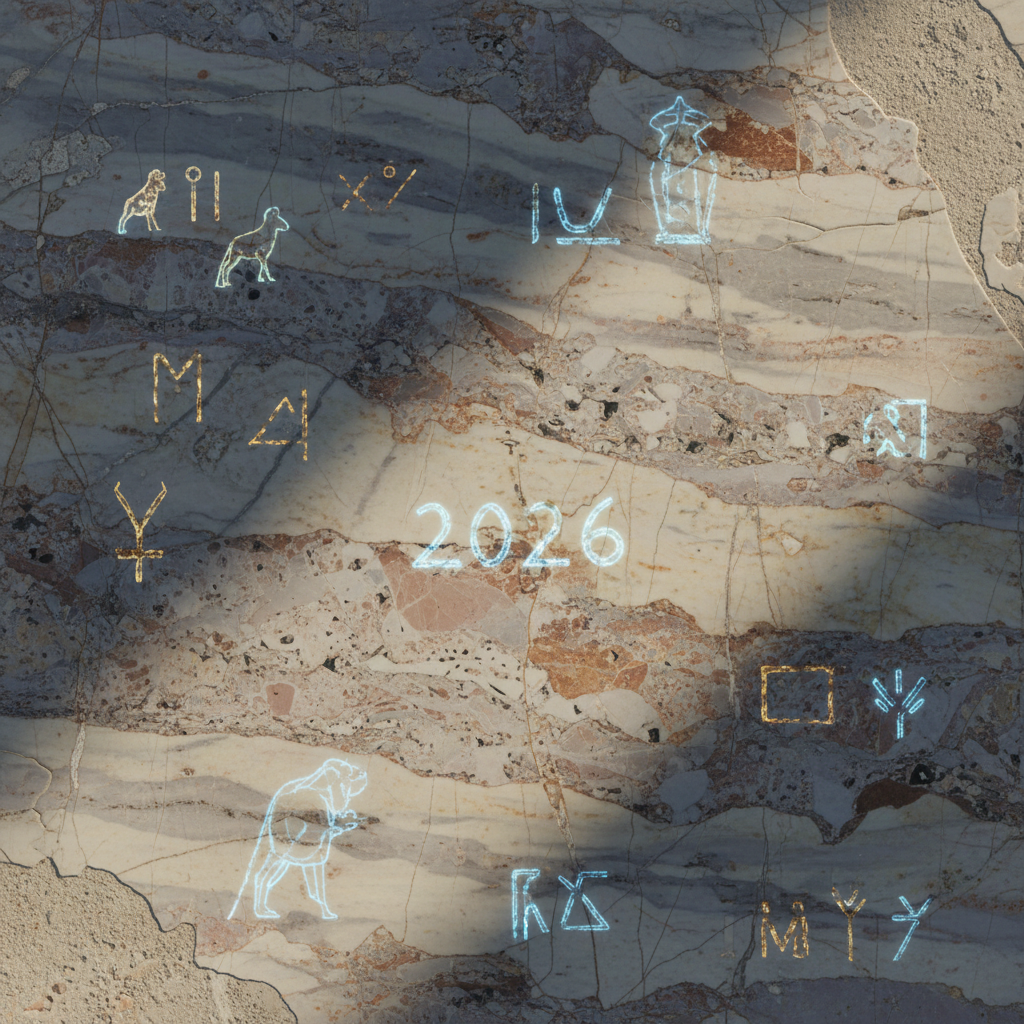
Hagia Sophia's Geological Secrets: Unveiling Ancient Engineering
Rising majestically in the heart of Istanbul, Hagia Sophia is not merely a place of worship or a museum; it's a unique monument brimming with Hagia Sophia's Geological Secrets. This ancient structure, renowned for its architectural genius, also draws attention due to the geological characteristics of its construction site and materials. Even in 2026, these mysterious layers of Hagia Sophia continue to be a treasure trove awaiting discovery by scientists and historians.
Hagia Sophia's Foundations: Geological Heritage and Resilience
The ground beneath Hagia Sophia reflects Istanbul's complex geological structure. This region has witnessed numerous earthquakes and is known for its proximity to active tectonic fault lines. This situation strongly indicates that Byzantine engineers possessed extraordinary foresight and technical knowledge during the structure's design, deeply understanding Hagia Sophia's Geological Secrets.
- The foundations were deep, ensuring stable seating.
- Engineers meticulously analyzed the bearing capacities of different soil layers.
- Special mortars and stonework techniques boosted earthquake resistance.
These geological secrets of Hagia Sophia are key to its survival for approximately 1500 years. Indeed, these practices, comparable to modern civil engineering techniques, highlight the scientific and technical prowess of that era. For more insights into the architectural journey, you might want to explore Hagia Sophia's Traveler's Guide 2026.
Construction Site and Soil Survey
The land where Hagia Sophia stands consists of alluvial and clay layers, due to its proximity to the Sea of Marmara. Such soils can pose a liquefaction risk, especially during earthquakes. However, Byzantine engineers employed unique methods to minimize this danger. They reinforced the foundations with deep piles and widened bases, showcasing remarkable ingenuity. The resilience demonstrated here is a testament to the knowledge of past Hagia Sophia's Voyager Explorers and builders, revealing more of Hagia Sophia's Geological Secrets.
The Language of Stones: Geological Materials Used in Hagia Sophia
Another crucial factor contributing to Hagia Sophia's structural integrity and aesthetic beauty is the variety and quality of its construction materials. Stones, sourced from across the world, symbolize not only religious and political power but also geological diversity, forming part of Hagia Sophia's Geological Secrets.
- Porphyry: Purple porphyry from Egypt symbolizes imperial power, primarily used in columns. This volcanic rock is exceptionally hard and durable.
- Green Thessaly Marble: This green marble, from Miriandis, Greece, adorns the floor and some walls. It’s a serpentinite rock, notable for its unique patterns.
- White Marbles: White marbles from Marmara Island (Prokonnesos) and Afyon enhance the structure's overall aesthetics. These metamorphic rocks are known for their easy workability.
- Grey Granites: Granites from various Anatolian regions were used, particularly for exteriors and load-bearing elements. Granite is a crystalline, very strong rock formed under high pressure and temperature.
The geological origins and physical properties of these diverse stones are paramount to understanding Hagia Sophia's complex structure. Therefore, the story of each stone illuminates the building's overall history and its Hagia Sophia's Geological Secrets. For more on how these materials were integrated into the broader artistic narrative, see Hagia Sophia's Traveler Monuments.
Stones from Different Geological Origins
The marbles and other stones used are not only aesthetic but also subjected to distinct geological formation processes, making Hagia Sophia a veritable geological museum. For instance, Porphyry's hardness makes it highly resistant to abrasion – a characteristic that has ensured its persistence for centuries. The use of such diverse materials also speaks to the extensive trade networks of the Byzantine era, spanning regions as far as the Egyptian deserts and the Greek Isles. These materials are integral to understanding Hagia Sophia's Geological Secrets.
Earthquake Resistance and Byzantine Engineering Success: Hagia Sophia's Geological Secrets
Historically, Istanbul has been a region frequently shaken by severe earthquakes. Even in 2026, the city's seismic risks remain a significant topic. Despite this, Hagia Sophia is one of the rare structures that has managed to endure, albeit with serious damage over time. This remarkable resilience demonstrates the advanced knowledge of Byzantine engineers in earthquake engineering, a testament to Hagia Sophia's Geological Secrets.
- Lead Joints: Lead plates positioned between stone blocks absorbed seismic energy, providing structural flexibility. This technique parallels modern seismic isolation principles.
- Lightened Superstructure: The use of light bricks and mortars in the dome reduced the upper structure's weight, thereby decreasing earthquake loads. Special, light bricks from Rhodes were a key innovation.
- Flexible Mortars: The mortars used were significantly more flexible than today's concrete, preventing cracking and disintegration during earthquakes. The composition of these mortars is still undergoing scientific research.
These engineering marvels have transformed the building into more than just a structure; it's a symbol of earthquake resistance. The fact that the structure was repaired and reopened after earthquakes that even caused its large dome to collapse further underscores its incredible resilience. To understand the broader historical context of how ancient civilizations managed seismic challenges, the U.S. Geological Survey offers valuable research and data on Hagia Sophia's Geological Secrets.
Geotechnical Solutions and Seismic Performance
Geotechnical investigations reveal that the foundations were reinforced with stone slabs of varying sizes and depths. This not only increased the ground's bearing capacity but also helped dissipate the effects of earthquake waves. Consequently, Hagia Sophia’s seismic performance was remarkably advanced for its era, showcasing deep understanding of Hagia Sophia's Geological Secrets.
The Continuous Transformation of Hagia Sophia: Geological Traces of Repairs
From its construction, Hagia Sophia has been shaped by countless earthquakes, fires, and human interventions. Each repair and addition has contributed new layers to the structure's geological identity. Specifically, the strengthening works during the Ottoman period played a critical role in Hagia Sophia reaching its current form, further revealing Hagia Sophia's Geological Secrets.
- Mimar Sinan's Supports: Mimar Sinan reinforced the main load-bearing system by adding external buttresses (retaining walls) to Hagia Sophia, significantly increasing its earthquake resistance. These buttresses also utilized robust stones from different geological sources.
- Stones from Different Periods: Marbles and stones from diverse geographies were employed in Ottoman and Republican-era restorations. This creates a fascinating geological timeline visible on the structure's walls and floor.
- Materials Science Research: Ongoing materials science research, even in 2026, continues to yield new discoveries about the chemical composition of mortars and stones used in these repairs. This research further deepens our understanding of Hagia Sophia's Geological Secrets.
Every stone added, every joint renewed, has left an indelible trace in Hagia Sophia's long journey. These traces offer invaluable clues for comprehending the structure's past.
Geology of Materials Used in Restorations
During Ottoman-era repairs, local rocks like limestone and andesite were sourced from nearby quarries. The selection of these stones was critical for both their durability and availability. In modern restorations, meticulous effort is made to find and use materials consistent with the original, preserving Hagia Sophia's Geological Secrets.
Hagia Sophia's Geological Secrets Reflected in Future and Conservation Efforts (2026)
In 2026, Hagia Sophia remains a global heritage site requiring preservation, both historically and geologically. Ongoing conservation efforts, crucial for its transmission to future generations, fundamentally rely on understanding the structure's geological characteristics. Research utilizing modern technologies helps us comprehend the stresses the structure endure, ground movements, and material fatigue, all contributing to our knowledge of Hagia Sophia's Geological Secrets.
- Seismic Monitoring Systems: Modern seismic sensors integrated into the structure monitor its behavior in real-time during an earthquake. This data informs preventive measures for future seismic events.
- Georadar and Laser Scanning: Technologies such as georadar and laser scanning are employed to detect sub-surface structures and voids within the walls. This enables the identification of potential weak areas in the structure.
- Material Conservation Techniques: New material conservation techniques are being developed to minimize damage to stones caused by environmental factors like air pollution, humidity, and salt.
The future of Hagia Sophia depends on understanding the Hagia Sophia's Geological Secrets lying deep within it and implementing sustainable conservation strategies based on this knowledge. This ancient structure tells us not only about a past but also showcases the timeless success of geological science and engineering.
Every tourist visiting Hagia Sophia, while listening to the whispers of these stones, witnesses not just an architectural masterpiece but also humanity's enduring ability to build in harmony with nature. In 2026 and beyond, this unique heritage will continue to welcome visitors from all corners of the world, forever revealing Hagia Sophia's Geological Secrets.