Hidden Sacred Spaces in Hagia Sophia: Mysterious Traces of Multi-layered Communities from the Past to 2026
Discover the hidden worship areas within Hagia Sophia, a captivating architectural masterpiece in Istanbul. This unique structure reveals the mysterious traces of diverse communities and faiths that have shaped its history, from ancient times through to 2026, serving as a mosque, church, and museum.
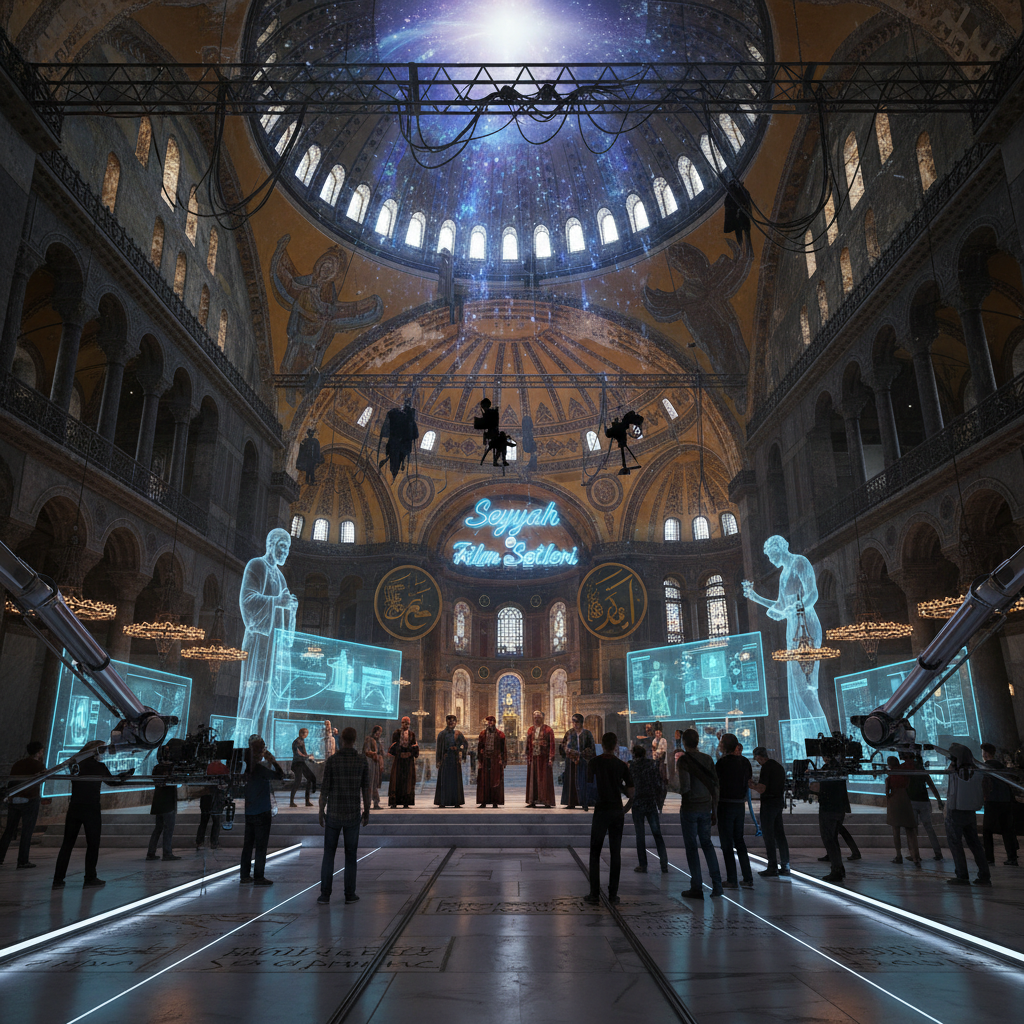
Hagia Sophia's Hidden Prayer Spaces: Unveiling Ancient Mysteries
In the heart of Istanbul, bearing the layers of time and faith, Hagia Sophia offers visitors more than just an architectural masterpiece. It promises a fascinating exploration with its Hagia Sophia hidden prayer areas, carrying the imprints of numerous civilizations throughout its history. This unique structure has served various functions as a mosque, church, and museum over centuries, hosting the spiritual lives of diverse faith groups in every era. Even as we reach 2026, this sacred place is filled with secrets and enigmatic worship corners waiting to be discovered, particularly its intriguing Hagia Sophia's Hidden Prayer Spaces.
Hagia Sophia's Layers of Faith and Mysterious Corners
Hagia Sophia stands among the rare structures that have witnessed three major religious periods since its inception. This status elevates it from merely a building to a living history. Each new period has left its own imprint of faith within the structure. These traces can sometimes be overtly visible elements like pulpits and mihrabs, but at other times, they are much deeper and concealed in special corners that we can call Hagia Sophia's hidden prayer areas. Exploring these hidden prayer spaces reveals much about its past.
Sacred Spaces of the Byzantine Period
Hagia Sophia was initially built as the largest church of the Eastern Roman Empire. During this period, areas such as the imperial lodge, the women's gallery (matroneum), and the baptistery were significant places of worship where the imperial family and the congregation performed their religious ceremonies. It is believed that some niches on the matroneum floor were used for private prayers. These areas offer unique windows into understanding the worship practices of that era. For further insights into the architectural intricacies, consider exploring Hagia Sophia's Miniature Universe in Motion, and how these spaces formed the earliest of Hagia Sophia's Hidden Prayer Spaces.
Elements of Worship Added During the Ottoman Period
After the conquest of Istanbul, Hagia Sophia was converted into a mosque, and new elements of worship were added. Additions like mihrabs, a minbar, and the imperial lodge (hünkar mahfili) adapted the structure for Islamic prayer. However, it is notable that while these additions were made, some Byzantine-era elements were preserved, thus accommodating different forms of worship. The hünkar mahfili, in particular, allowed the sultan to pray in a more private area, separate from the public. These transformations strengthened Hagia Sophia's multilayered structure, adding new dimensions to its hidden prayer spaces.
Hagia Sophia's Hidden Prayer Spaces: Whispers in the Walls
While outwardly perceived as a grand venue for sacred worship, Hagia Sophia, in its depths, walls, and forgotten corners, harbors Hagia Sophia's hidden prayer areas. These spaces sometimes appear as merely a niche, sometimes a dark corridor, and other times a prayer corner concealed behind a mosaic. These discoveries further enhance the structure's mystical atmosphere, revealing more about Hagia Sophia's Hidden Prayer Spaces.
Secluded Pulpits and Prayer Corners
- Hidden Spaces Between Columns: Hagia Sophia's colossal columns have often formed small and secluded prayer corners. These areas provided a quiet refuge for those seeking to escape the crowd's clamor, serving as intimate Hagia Sophia's Hidden Prayer Spaces.
- Gallery Niches: Some niches in the upper galleries might have been used for private prayers or as retreats for clergy in the past. These niches are small, dimly lit alcoves carved into the walls, offering moments of peace.
- Secret Passageways and Chambers: It is believed that unexplored passages and chambers still exist beneath and around Hagia Sophia. Some of these areas may have been where clergy or the congregation performed their secret devotions in the past. Such rumors keep interest in the structure alive, even in 2026, hinting at more of Hagia Sophia's Hidden Prayer Spaces.
Hagia Sophia: Common Intersections of Different Beliefs
One of Hagia Sophia's most captivating aspects is the convergence of different faiths and cultures under one roof. The coexistence of Christian and Islamic worship elements reveals the structure's potential as a universal center of worship. This perspective allows us to understand the concept of Hagia Sophia's hidden prayer areas not just as physical spaces but also as a spiritual intersection point, making each of Hagia Sophia's Hidden Prayer Spaces a testament to its rich history.
Hidden Messages and Symbols in Mosaics
Hagia Sophia's mosaics are among the most significant examples of Byzantine artistic and religious heritage. These mosaics feature depictions of Jesus, Mary, and saints. Although covered with plaster after its conversion into a mosque, they have been restored and brought back to light in modern times. These mosaics are not merely works of art but also a visual form of Christian worship. Even during periods when it was open for Islamic prayer, these mosaics persisted as a kind of "hidden" object of worship; beneath the plaster, beyond the walls, they continued to exist. Explore more about these historical narratives through Hagia Sophia's Traveler's Memoir, and the symbolism within Hagia Sophia's Hidden Prayer Spaces.
Unanswered Questions: Secret Temples and Chambers
One of the centuries-old legends surrounding Hagia Sophia is the existence of hidden temples or chambers beneath or around the structure. While archaeological research has supported these rumors, they have not been fully clarified. These potential secret areas could shed light on different past forms of worship in Hagia Sophia, and the possibility of uncovering these secrets with the technological capabilities available in 2026 excites history enthusiasts. The potential for more of Hagia Sophia's Hidden Prayer Spaces remains a captivating mystery.
Hagia Sophia in 2026 and Future Discoveries of Hidden Prayer Spaces
Today, Hagia Sophia is an active place of worship that attracts a large number of tourists and believers. While the historical, artistic, and religious significance of this sacred structure is increasingly understood, it also harbors many secrets waiting to be discovered. The Hagia Sophia hidden prayer areas are an important part of this unique heritage extending from the past to the present, and future research may open new horizons, revealing more of Hagia Sophia's Hidden Prayer Spaces.
New Discoveries in the Light of Technology
In 2026, modern technologies such as laser scanning and ground-penetrating radar (GPR) could lead to the discovery of previously unnoticed chambers or passages within the depths or walls of Hagia Sophia. These technologies allow us to examine the structure's lower layers and internal features in more detail, offering brand new insights into past worship practices. Perhaps these studies will reveal previously unknown Hagia Sophia hidden prayer areas, further enriching our understanding of Hagia Sophia's Hidden Prayer Spaces.
Preserving and Understanding Hagia Sophia's Heritage
Hagia Sophia is a common heritage of humanity. Understanding it means not only grasping its current function but also respecting its millennia-old history. In every brick, every mosaic piece, and especially in every Hagia Sophia hidden prayer area, it is possible to feel the breath of past civilizations. This priceless heritage, to be passed on to future generations, will continue to enlighten its visitors with its historical and mystical stories, particularly through the exploration of Hagia Sophia's Hidden Prayer Spaces.