Hagia Sophia's Miniature Universe in Motion: Historical Models and Hidden Perspectives for 2026
As we enter 2026, Hagia Sophia, standing tall for centuries in the heart of Istanbul, attracts attention not only with its architecture but also by inspiring countless artworks and models. Especially Hagia Sophia models offer an attractive option for those who want to experience the splendor of this unique structure in miniature. These models provide both historical insight and artistic beauty, offering hidden perspectives into one of the world's most magnificent buildings. Dive into the miniature universe of Hagia Sophia and uncover its enduring legacy.
Hagia Sophia Models: Explore Exquisite Replicas
As we enter 2026, Hagia Sophia, standing tall for centuries in the heart of Istanbul, attracts attention not only with its architecture but also by inspiring countless artworks and models. Specifically, Hagia Sophia Models (Ayasofya maketleri) offer an attractive option for those who want to experience the splendor of this unique structure in miniature. These Hagia Sophia Models provide both history enthusiasts and those interested in structural details with the opportunity to feel the spirit of Hagia Sophia more closely. For a deeper understanding of the human element connected to this historical marvel, consider reading Hagia Sophia's Traveler's Memoir: Human Vistas and Memories Echoing the Past in 2026.
Hagia Sophia Models: Art & History Combined
Hagia Sophia Models have been a source of inspiration for many artists and model makers for centuries. These miniature works meticulously reflect Hagia Sophia's complex architecture and rich decorations. Models from different periods also reveal the transformations Hagia Sophia has undergone and the effects of various cultures on the structure. For more insights into the intricate details and sacred symbolism, explore Hagia Sophia's Mysterious Touches: Rituals of Connection and Sacred Traces from the Past to 2026.
Model Culture: Ancient to Modern
The tradition of making models of structures dates back to ancient times. For instance, miniature models of pyramids were made in ancient Egypt. Similarly, important structures were represented to scale in the Roman Empire. Since Hagia Sophia's construction, representations of this magnificent work have demonstrated admiration for the structure. Notably, Hagia Sophia Models produced with modern technologies in 2026 impress with their level of detail.
Diverse Materials and Techniques for Hagia Sophia Models
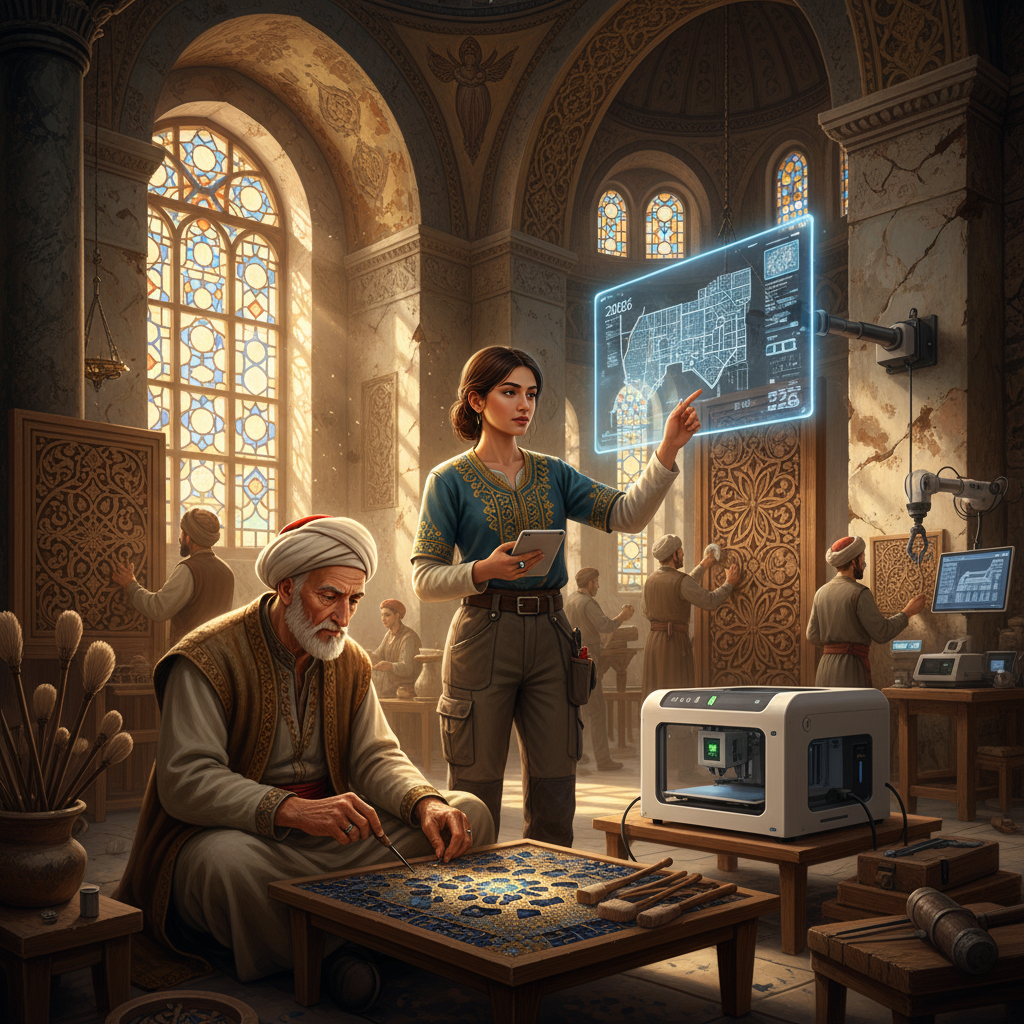
The materials and techniques used for Hagia Sophia Models are quite diverse. Production ranges from traditional wood carving to advanced 3D printing technologies. Each material adds a different texture, detail, and feel to the model. This variety also offers rich options for collectors of Hagia Sophia Models. To learn about the craftsmanship behind the full-scale structure, see Hagia Sophia's Traveling Artisans: A Handicraft Journey from Ancient Techniques to 2026 Restorations.
Hagia Sophia Models: Museum & Mosque Perspectives
The periods when Hagia Sophia was used as both a museum and a mosque have brought different perspectives to its models. For example, Hagia Sophia Models made during the museum period generally focused on details combining Byzantine and Ottoman architecture. Conversely, recent models may specifically emphasize its mosque identity. The interplay of illumination throughout its history also fascinates, as explored in Hagia Sophia's Evolving Lights and Shadows: A Visual Feast Through Time (2026).
Detail Orientation of the Museum Period
During Hagia Sophia's time as a museum, models typically depicted historical layers, mosaics, and additions from various periods. These models served as educational material, helping visitors understand the structure. Even in 2026, there are high-quality Hagia Sophia Models that reflect the intricacies of the museum period.
Reflections of the Mosque Period in Hagia Sophia Models
With the reopening of Hagia Sophia as a mosque, the emphasis on Hagia Sophia Models also shifted. Models highlighting the minarets, mihrab, minbar, and Ottoman calligraphy became popular. This demonstrates that these Hagia Sophia Models have evolved into cultural and religious symbols, transcending mere architectural representations. Interested in the silent narratives within its walls? Read Hidden Poems of Hagia Sophia: Verses on the Walls and 2026's Literary Whispers.
Tips for Hagia Sophia Model Collectors and Makers
Collecting Hagia Sophia Models is a fascinating hobby for history and art enthusiasts. Here are some important points to consider when choosing or making a model. These tips can help you build a good collection and create your own Hagia Sophia Models more consciously.
Points to Consider When Choosing a Hagia Sophia Model
- Scale and Level of Detail: The scale and detail of the model are crucial for its quality. Generally, smaller scales offer a general view, while large-scale models reveal the finest details.
- Material Quality: The durability and craftsmanship of the material are important. Different materials such as wood, metal, resin, or 3D printed plastic offer varying properties.
- Accuracy: How closely historical and architectural details are adhered to increases the model's value. Accurate Hagia Sophia Models are always preferred.
- Artist or Manufacturer: Models by renowned artists or those with unique techniques are generally considered more valuable.
Tips and Resources for Making Your Own Hagia Sophia Models
For those wanting to make their own Hagia Sophia Models, many resources and methods are available. Thanks to developing technology in 2026, this process has become even easier.
- Plans and Drawings: Detailed architectural plans and measurements are fundamental for an accurate model. You can access this information online or from specialized publications.
- Model Kits: For beginners, ready-made model kits offer a great starting point for developing assembly and painting skills.
- Material Selection: You can start with basic materials like cardboard, foam, and glue, then gradually move to more professional materials.
- 3D Modeling and Printing: Create a 3D model of Hagia Sophia in digital design programs and then obtain physical models with 3D printers. This method offers incredible detail for your Hagia Sophia Models.
- Research: In-depth research about Hagia Sophia's history, architecture, and decorations will help you infuse your model with spirit. For historical context, explore the UNESCO World Heritage Centre page on Hagia Sophia.
Innovations and Trends in the Hagia Sophia Models Market in 2026
The year 2026 brings significant innovations and trends in model making, much like technology does in every field. The Hagia Sophia Models market is certainly affected by these changes. Now, both physical and digital/interactive models are attracting great interest.
Digital and Virtual Reality Models
Thanks to developing virtual reality (VR) and augmented reality (AR) technologies, digital models of Hagia Sophia can now be explored in virtual environments. These interactive Hagia Sophia Models allow users to examine the structure from different angles, discover historical layers, and even experience its past forms. In fact, younger tourists and educators show great interest in such experiences. For further exploration of architectural history online, resources like the Metropolitan Museum of Art's guide to Hagia Sophia can be invaluable.
Building Kits and Customization Options for Hagia Sophia Models
In the hobby model industry, do-it-yourself (DIY) kits continue to be popular. Specially designed Hagia Sophia Models kits, available at different difficulty levels and made from various materials, are in high demand by enthusiasts. Additionally, some manufacturers offer collectors options for personalization, allowing them to color or add specific details to their models.
Sustainability-Focused Model Production
In 2026, increasing environmental awareness has also reflected on model production. Consequently, Hagia Sophia Models produced from recycled materials, using sustainable wood sources, or colored with eco-friendly paints, have become a significant preference for environmentally conscious consumers. Learn more about sustainable practices in craft and production from organizations like the Crafts Council.
Hagia Sophia Models: Education and Cultural Heritage Preservation
Hagia Sophia Models are more than mere hobby items or decorative objects; they are important educational tools contributing to the preservation of cultural heritage. These models offer a powerful way to transmit the universal value of Hagia Sophia to future generations.
Models as Educational Material
Hagia Sophia Models used in schools and museums help students and visitors understand the architecture, history, and importance of the structure in a more visual and tangible way. Their ability to facilitate close examination of complex engineering marvels and revive historical periods makes the learning process more enjoyable and effective.
Its Place in Cultural Diplomacy
High-quality Hagia Sophia Models displayed in international exhibitions and cultural events play an important role in promoting Turkey's rich cultural heritage worldwide. These models allow people globally to witness the splendor of Hagia Sophia and hence increase cultural exchange.
In summary, in 2026, Hagia Sophia Models are not just models, but works of art carrying deep meanings, where history, art, and technology converge. These models, ranging from traditional craftsmanship to modern technological creations, will continue to keep the eternal spirit of Hagia Sophia alive in miniature worlds.