Hagia Sophia's Traveling Billionaires and Patrons: Supporters and Their Impact from Past to 2026
Hagia Sophia's patrons, from ancient emperors to traveling billionaires in 2026, have been pivotal to its survival. This architectural wonder in Istanbul is a shared heritage, and understanding its supporters reveals how this global treasure has been preserved and impacted through centuries. Discover the enduring legacy of those who champion its splendor.
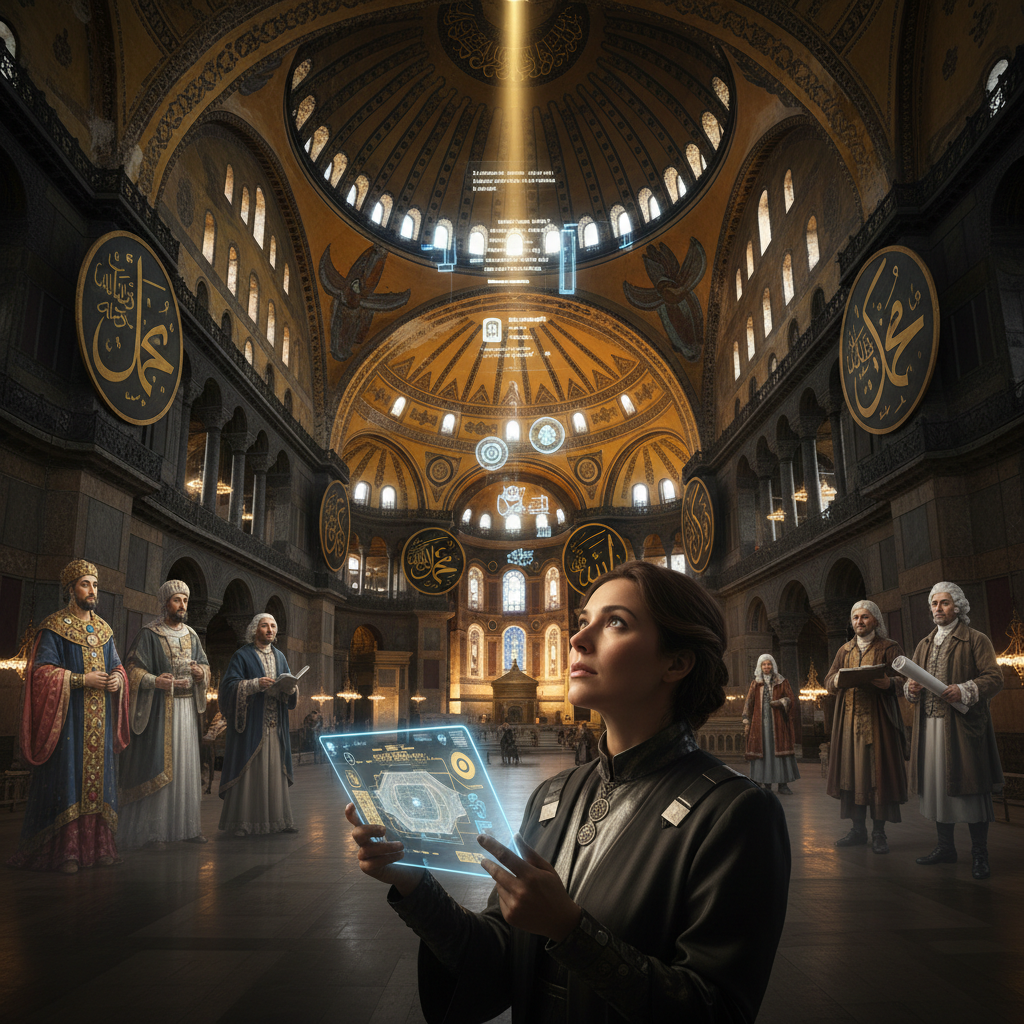
Hagia Sophia's Patrons: Supporters and Impacts Through History
The concept of Hagia Sophia's Patrons refers to the individuals and institutions that have played a major role in the survival and preservation of the splendor of this unique structure over centuries. Rising in the heart of Istanbul, this architectural marvel is more than just a place of worship or a museum; it is a shared heritage of human history. As of 2026, the preservation and understanding of Hagia Sophia continue through international efforts and local dedication, thanks to its many patrons.
Hagia Sophia's Patrons from Past to Present: Embracing a Heritage
The history of Hagia Sophia bears the traces of different civilizations and faiths. It is an undeniable fact that throughout every period of this magical structure, there have been Hagia Sophia's Patrons who protected, nurtured, beautified, and passed it on to future generations. These patrons range from Byzantine emperors to Ottoman sultans, from modern statesmen to contemporary artists. To understand more about the historical significance, explore Hagia Sophia Through the Eyes of Scholars.
The Role of Byzantine Emperors as Hagia Sophia's Patrons
- Justinian I: Had the Hagia Sophia built in its present form and contributed greatly to the original architecture of the structure. The patrons during his era pushed the boundaries of monumental architecture and technology.
- Later Emperors: Ensured the survival of the structure by restoring Hagia Sophia after earthquakes and fires it suffered. During this period, many artists and craftsmen, with the support of the emperors, added unique mosaics to Hagia Sophia. These emperors were crucial Hagia Sophia's Patrons.
Ottoman Period Patrons of Hagia Sophia
With the conquest by the Ottoman Empire, Hagia Sophia was converted into a mosque. During this period, important patrons ensured the cultural and functional continuity of the structure. The historical headwear and forgotten identities associated with this period are a fascinating aspect of its past. These individuals were significant Hagia Sophia's Patrons.
- Sultan Mehmed the Conqueror: After Hagia Sophia was converted into a mosque, he established foundations for the repair and maintenance of the structure. During his reign, minarets began to be added to Hagia Sophia.
- Mimar Sinan: Under the patronage of Suleiman the Magnificent and other Ottoman sultans, Mimar Sinan strengthened Hagia Sophia against earthquakes by solving its structural problems. The external buttresses are products of his genius. These contributions played a critical role in Hagia Sophia reaching its current form. He was a key figure among Hagia Sophia's Patrons.
- Sultan Abdülmecid: In the mid-19th century, he commissioned a large-scale restoration by the Swiss Fossati Brothers, renewing the facade of the structure and repairing many interior decorations. The restorations during this period helped preserve the artistic value of Hagia Sophia.
Modern Era and Global Hagia Sophia's Patrons
From the beginning of the 20th century, Hagia Sophia was accepted as a shared heritage of all humanity with its museum status. Although it was re-opened for worship as a mosque in 2020, international interest and conservation efforts continue. Its mystical lanterns continue to illuminate tales from its past to 2026, thanks to the dedication of many Hagia Sophia's Patrons.
UNESCO and International Agreements as Hagia Sophia's Patrons
Hagia Sophia, listed on the UNESCO World Heritage list, is a structure under international protection. Thanks to this status, many international funds and expertise support the maintenance and repair of Hagia Sophia. These supports demonstrate the global dimension of the modern concept of Hagia Sophia's Patrons. You can learn more about UNESCO's role in preserving world heritage sites on their official website UNESCO World Heritage Centre.
- Conservation Funds: Funds provided through the United Nations and other international organizations help protect the delicate structure of Hagia Sophia.
- Expertise Sharing: International teams specialized in restoration and conservation collaborate with Turkish experts, shedding light on the future of Hagia Sophia.
Traveling Billionaires' Interest in Hagia Sophia
Today, world-renowned business people and collectors also show their interest in Hagia Sophia in different ways. Although these individuals may not provide direct financial support, they can act as indirect Hagia Sophia's Patrons by increasing Hagia Sophia's global awareness and drawing attention to the importance of cultural heritage.
- Cultural Promotion: By sponsoring major artistic or cultural events, they can contribute to the worldwide promotion of Hagia Sophia.
- Research and Publication Support: By financing scientific research and publications on Hagia Sophia, they can enable a better understanding of the structure. For detailed reports on cultural heritage philanthropy, resources like the Cultural Heritage Law Committee can provide valuable insights.
Maintenance and Future of Hagia Sophia in 2026: The Role of Patrons
As of 2026, the maintenance and cultural integration of Hagia Sophia is an ongoing process, both locally and internationally. The structure's function as both a place of worship and an important historical heritage requires special attention and care from its many Hagia Sophia's Patrons.
Restoration and Current Projects by Hagia Sophia's Patrons
Relevant institutions, primarily the Ministry of Environment, Urbanization and Climate Change and the Ministry of Culture and Tourism, continuously carry out work to preserve the structural integrity of Hagia Sophia. These works combine modern technologies and traditional restoration techniques, showcasing the ongoing dedication of Hagia Sophia's Patrons.
- Environmental Planning: Infrastructure and environmental arrangements around Hagia Sophia are continuously updated to improve the visitor experience and preserve the external aesthetics of the structure.
- Interior Maintenance and Repair: The frescoes, mosaics, and other decorations in the interior of the structure are periodically inspected by expert teams and restored if necessary. These delicate works are vital for the preservation of Hagia Sophia's artistic value.
Digital Preservation and Virtual Tours by Modern Patrons
With the development of technology, the digital preservation and promotion of Hagia Sophia have also gained importance. Virtual reality tours and 3D models allow people from all over the world to experience Hagia Sophia. These digital initiatives ensure that the cultural heritage of the structure reaches wide audiences without physical wear and tear. They constitute an invaluable resource, especially for academic circles and educational institutions. Academic institutions such as the Dumbarton Oaks Research Library and Collection often host projects related to Hagia Sophia's digital preservation, acting as modern Hagia Sophia's Patrons.
Hagia Sophia's Impact on Economy and Tourism: A Legacy of Patrons
Hagia Sophia is not only a cultural symbol of Istanbul but also a leading structure for the city's tourism and economy. Attracting millions of visitors every year, it provides significant contributions to the regional economy, a testament to the enduring legacy of Hagia Sophia's Patrons.
Contribution to Tourism
- Visitor Numbers: Hagia Sophia is one of Turkey's most visited tourist attractions. This situation generates revenue for a wide range of sectors, from hospitality to guiding services, souvenir sales to the food and beverage industry.
- Destination Brand: The existence of Hagia Sophia plays a key role in branding Istanbul as an international tourist destination. Its UNESCO status further strengthens this brand value.
Economic Vitality
Investments in Hagia Sophia and the influx of visitors create employment in the region and help the development of local tradespeople. All the work done brings economic value. Among the Hagia Sophia's Patrons, each individual who keeps this economic wheel turning is also included.
The developing facilities and services around Hagia Sophia increase the cultural and economic attractiveness of Istanbul's historical peninsula. This creates a positive cycle for both the local population and the city's overall economy.
Conclusion: An Ongoing Heritage and Endless Hagia Sophia's Patrons
Hagia Sophia is an architectural marvel across ages and a living testament to human history. Its unique past, ever-changing roles, and enduring splendor have been made possible by countless Hagia Sophia's Patrons. Everyone, from Byzantine Emperors to Ottoman Sultans, from modern states to international organizations, and even ordinary visitors from all over the world, is a part of this sacred structure's legacy.
As of 2026, Hagia Sophia continues to be a symbol that carries the traces of the past while also illuminating the future. The preservation of this magnificent structure and its transmission to future generations is the shared responsibility of not only the Turkish nation but all humanity. Hagia Sophia is one of the brightest jewels of our cultural richness, extending from the past to the present and into the future. Discover more about its intricate details and hidden codes of geometric patterns that speak to its enduring legacy, a legacy continuously supported by Hagia Sophia's Patrons.