Hagia Sophia's Traveler's Dreams: Visions from the Past and Inspirations for 2026
In the heart of Istanbul, Hagia Sophia stands as a timeless monument, illuminating humanity for centuries. Its magical atmosphere, architecture, and history have inspired countless artists, writers, and architects. Today, in 2026, Hagia Sophia's sources of inspiration continue to blend past mysteries with future dreams. This unique structure...
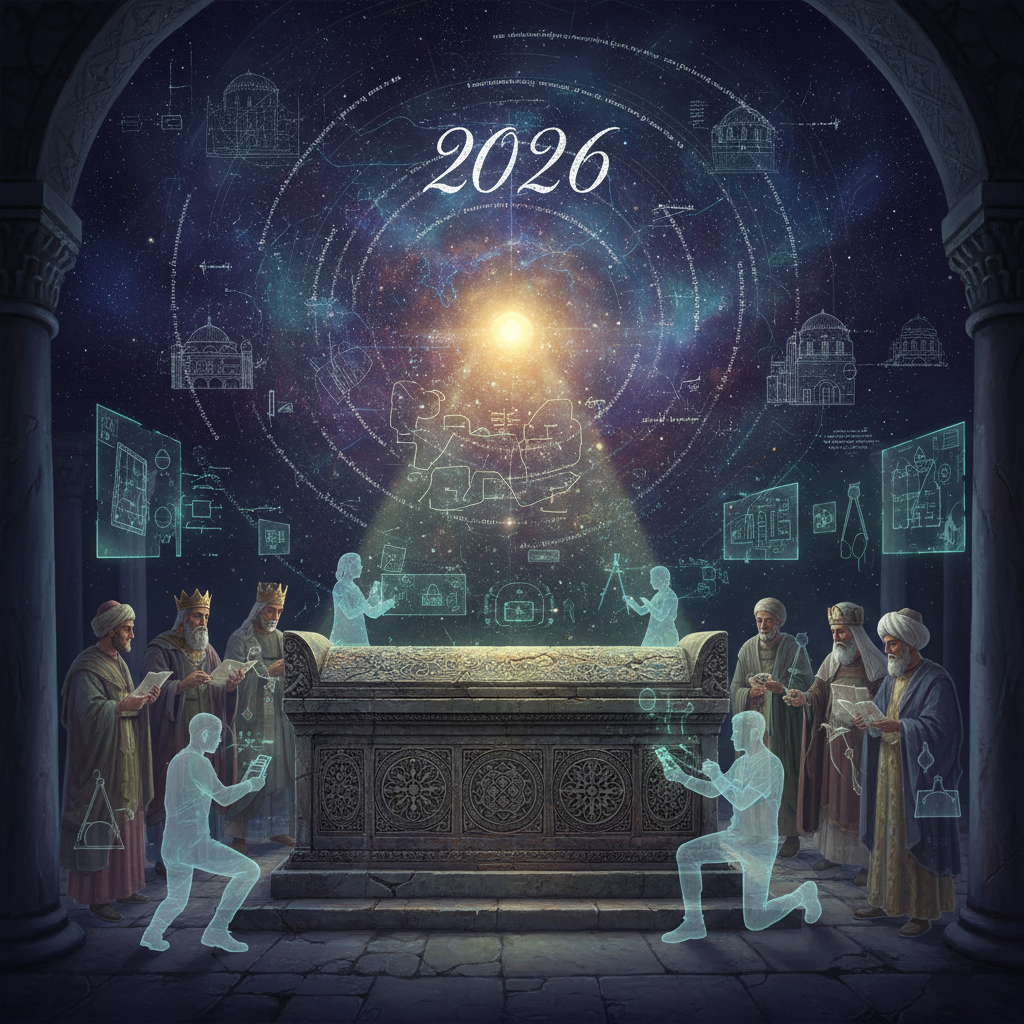
Hagia Sophia: Sources of Inspiration
In the heart of Istanbul, Hagia Sophia stands as a timeless monument, a structure that has illuminated humanity for centuries. Its magical atmosphere, architecture, and history have inspired countless artists, writers, and architects. Today, as we enter 2026, Hagia Sophia: Sources of Inspiration continue to blend the mysteries of the past with the dreams of the future. This unique structure is more than just a place of worship or a museum; it is a living symbol of human history and cultural heritage, deeply intertwined with the very fabric of the city itself, as explored in Istanbul Reflected in the Hagia Sophia: A Timeless Mirror of the City's Heart (2026).
Hagia Sophia's Magical Architecture and Artistic Inspirations
The architecture of Hagia Sophia is one of the most striking examples of human genius. Built in the 6th century, this structure brought the engineering and aesthetic understanding of its era to its peak. With its colossal dome, captivating play of light, and intricate mosaics, it deeply impresses visitors. Consequently, this architectural marvel continues to be a profound source of inspiration for countless art forms even today. Many of its secrets, including those held within its hidden chambers and unexplored corners, continue to captivate researchers and visitors alike in 2026, making it a true Hagia Sophia: Sources of Inspiration.
The Dome's Dance with the Heavens: A Key Inspiration
Hagia Sophia's dome is famously described as "a star suspended from heaven by chains." When viewed from inside, the light emanating from the window in the dome's center creates a truly mystical atmosphere. Indeed, this mesmerizing play of light and shadow is one of the most important Hagia Sophia: Sources of Inspiration for painters, photographers, and filmmakers.
- Painters: Artists have long captured the dome's changing colors and depth under varying light conditions on their canvases.
- Photographers: The interplay of light and intricate details within the interior offers an endless field of discovery for photographers.
- Architects: The dome's revolutionary construction remains an achievement still studied and adapted in modern architecture, offering significant inspiration, a testament to the legendary masters and hidden artisans behind its millennium-old structure.
The Silent Stories of the Mosaics
Hagia Sophia's mosaics offer some of the finest examples of Byzantine art. These gold-leaf adorned mosaics depict important figures and scenes from Christian history. Moreover, these works, carrying echoes of the past, are invaluable treasures for art historians and iconography experts.
Each mosaic reflects the spirit and artistic aesthetic of its era. The meticulous detail, the harmony of colors, and the expressions of the figures take visitors on a journey through time. Even in 2026, the magic of these mosaics stands as vivid as ever, serving as enduring Hagia Sophia: Sources of Inspiration. Learn more about the lost treasures and rediscovered artistic geniuses associated with these magnificent creations.
Hagia Sophia: Depths of History and Cultural Heritage
Hagia Sophia inspires not only with its architecture, but also with its rich history and profound cultural heritage. This structure, which experienced the transition from one place of worship to another, and from one empire to another, has witnessed some of the most significant turning points in human history. Consequently, this profound history is an endless source of inspiration for writers, historians, and researchers, highlighting the vastness of Hagia Sophia: Sources of Inspiration. The mysterious stories of its pillars, silent witnesses to civilization, further deepen this historical narrative.
The Rise and Fall of Empires
Hagia Sophia has been the scene of many historical events, from the most powerful periods of the Eastern Roman (Byzantine) Empire to the zenith of the Ottoman Empire. Therefore, this makes it a potent symbol of geopolitical changes and inter-civilizational interaction. For history enthusiasts, the venerable walls of Hagia Sophia hold thousands of years of stories.
These stories are not just dry facts; they also narrate the human struggle, the power of faith, and the grandeur of empires. Today, many documentaries and historical novels continue to center on Hagia Sophia to revive these stories. This demonstrates the vastness of Hagia Sophia: Sources of Inspiration in historical narrative. The transformations it has witnessed are brilliantly captured in its role as a monument of political and social transformations throughout the ages.
Intersection of Religions and Symbol of Tolerance
Hagia Sophia, transitioning from the Christian world to the Islamic world, is one of the rare examples where different faiths can coexist under the same roof. This makes it an important symbol of interfaith dialogue and tolerance, offering unique Hagia Sophia: Sources of Inspiration.
- Christian Symbols: Visitors can observe angel depictions in the dome and remnants of frescoes on the walls.
- Islamic Symbols: The structure features a minbar, mihrab, and colossal calligraphic panels.
Being a structure where traces of these two distinct civilizations intertwine makes it an important area of study for both religious scholars and philosophers. Its role as a mirror of civilizations and hub of mystical secrets is undeniable.
Hagia Sophia in Literature and Art
Hagia Sophia's mystical atmosphere and historical depth have inspired many literary works and art forms over the centuries. From poets to novelists, and from painters to sculptors, many artists have made Hagia Sophia a central part of their creative processes. Its influence underscores countless Hagia Sophia: Sources of Inspiration in the arts.
Hagia Sophia in Poems and Novels
Hagia Sophia has flowed from the pens of countless poets and writers. From Orhan Pamuk to Yahya Kemal Beyatlı, many prominent figures have tried to articulate the magic and meaning of Hagia Sophia. Its grandeur, melancholy, and power have consistently added depth to literary works.
These works reveal that the structure is not just a physical space, but also a realm of emotion and thought. These literary pieces, which bring readers together with the soul of Hagia Sophia, illustrate the immense cultural impact of the structure. In literature, Hagia Sophia: Sources of Inspiration are an inexhaustible richness. For a deeper dive, consider exploring academic analyses on historical architecture and literature, such as those found on JSTOR.
Reflections in Visual Arts
In the modern age, Hagia Sophia continues to attract visual artists. From digital artists to video works, and from documentary films to virtual reality experiences, Hagia Sophia is reinterpreted on many platforms. Even in 2026, the structure's iconic silhouette and interior details remain a pivotal focal point for new generation artists.
Especially thanks to ongoing technological advancements, 3D models, virtual tours, and digital reconstructions of Hagia Sophia offer a different perspective on the structure. This allows visitors and researchers to explore Hagia Sophia more deeply, fueled by these modern Hagia Sophia: Sources of Inspiration.
Hagia Sophia's Impact on Travelers and Future Vision
Hagia Sophia is a dream destination for travelers from all corners of the world. Its mystical aura, historical texture, and visual spectacle leave unforgettable impressions on visitors. This global interaction also provides important clues about Hagia Sophia's future role and the enduring power of Hagia Sophia: Sources of Inspiration. The human stories and intercultural encounters it has witnessed are beautifully chronicled in Hagia Sophia's Traveler's Notebooks.
Its Place in Visitors' Hearts
Everyone who visits Hagia Sophia expresses their admiration and awe. This is proof that the structure is more than just a tourist attraction; it leaves a profound impact on the human spirit. Guided tours, audio guides, and informative panels help visitors enrich this remarkable experience.
Particularly, experiences shared on digital platforms solidify Hagia Sophia's position as a global icon. Millions of photos and videos on social media broadcast the beauty and importance of Hagia Sophia to the world. This demonstrates the universal dimension of Hagia Sophia: Sources of Inspiration.
Hagia Sophia in 2026 and Beyond
As of 2026, Hagia Sophia's cultural and tourist importance continues to grow. Sustainable tourism approaches and cutting-edge technological integrations play a key role in transmitting the structure to future generations. Conservation efforts and meticulous restoration projects are crucial for ensuring the preservation of this unique heritage.
In the future, the expansion of Hagia Sophia's digital archives, the development of immersive virtual reality experiences, and the creation of interactive exhibitions are highly anticipated. This will allow even those who cannot physically visit to access Hagia Sophia's richness. Undoubtedly, Hagia Sophia will continue its existence as a magnificent bridge connecting the past and the future, a constant source of Hagia Sophia: Sources of Inspiration. Discover more about ongoing global conservation efforts at organizations like UNESCO World Heritage Centre.
Hagia Sophia: A Path Extending to the Future as a Heritage
With its history spanning over fifteen hundred years, Hagia Sophia is one of the most magnificent symbols of humanity's common heritage. Every stone, every mosaic, every beam of light continues to inspire its visitors and the entire world. This unique structure, with its architecture, history, cultural richness, and spiritual atmosphere, will continue to be a primary source of Hagia Sophia: Sources of Inspiration in 2026 and beyond.
It is our shared responsibility to preserve Hagia Sophia for future generations and to tell its powerful stories. Its timeless beauty and profound wisdom will always be a beacon in humanity's journey of art, science, and faith.