Hagia Sophia Visitor Experiences: Bridging the Past in 2026
As we enter 2026, Hagia Sophia, a masterpiece in the heart of Istanbul, continues to captivate visitors. This iconic structure offers an immersive Hagia Sophia visitor experience, transporting you through millennia of history. This guide covers everything from its historical depths to practical advice for maximizing your visit.
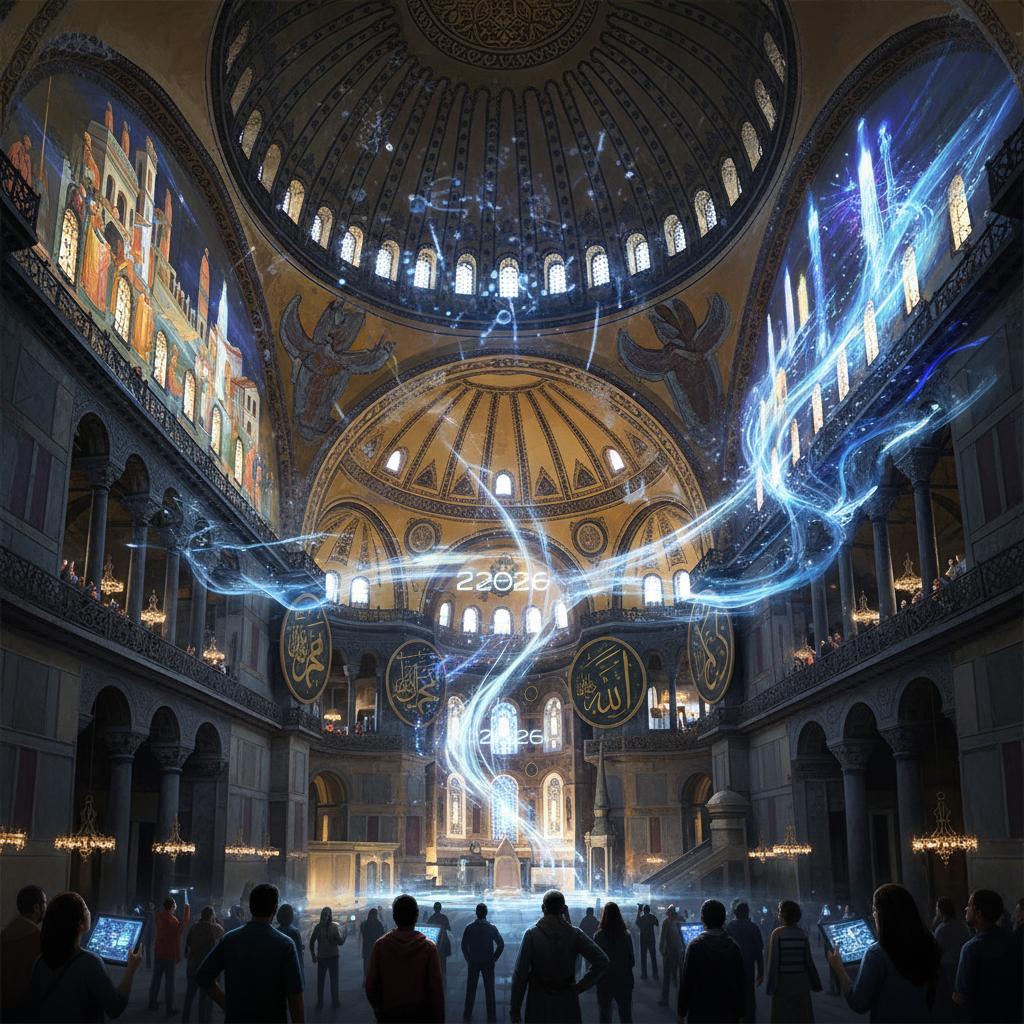
Hagia Sophia Visitor Experience: Bridging the Past in 2026
As we enter 2026, Hagia Sophia, defying centuries in the heart of Istanbul, continues to mesmerize its visitors. This unique structure, a must-visit for every tourist coming to Istanbul, offers a truly immersive Hagia Sophia visitor experience, as if taking you on a journey through time. In this article, we will provide a comprehensive guide to Hagia Sophia in every aspect, from its historical depths to current visitor guidance, from its mystical atmosphere to practical information. Our aim is to provide you with all the necessary information to fully explore Hagia Sophia and feel the spirit of this unique structure.
The Hagia Sophia Visitor Experience: Blending with Historical Accumulation and Cultural Heritage
Hagia Sophia is not just a structure, but a living history book that has witnessed three empires – Eastern Roman, Latin, and Ottoman. Opened for worship in 537 AD, this magnificent architectural marvel held the title of the world's largest domed basilica for a long time. Having been destroyed and rebuilt numerous times over the centuries, Hagia Sophia bears the traces of different civilizations and faiths. This cultural layering offers visitors a unique "Hagia Sophia visitor experience."
While strolling inside Hagia Sophia, it is possible to encounter traces from different eras at every corner. Byzantine mosaics, Ottoman calligraphy examples, and early Christian symbols are concrete evidence of this building's inclusivity and rich history. As of 2026, although there have been some changes in visiting rules and the use of the place of worship with Hagia Sophia's transition from museum status to mosque status, this has not diminished its historical and cultural value, ensuring a rich Hagia Sophia visitor experience.
Construction and Architectural Wonders
The construction of Hagia Sophia was completed in a remarkably short period of just five years, during the reign of Emperor Justinian. Masters led by engineer Anthemius and mathematician Isidorus erected this colossal structure using the most advanced technologies of the time. The construction of the dome, in particular, is considered an engineering marvel, and its standing to this day is a testament to the building's durability. For more on its structural secrets, consider exploring the Mysterious Foundations of Hagia Sophia.
- Domes: With a height of 55.6 meters and a diameter of 31.87 meters, Hagia Sophia's main dome was the largest of its time.
- Mosaics: The interiors are adorned with some of the finest examples of Byzantine mosaic art.
- Marbles: Marbles of different colors brought from all over the world contribute to the aesthetics of the structure.
Religious Transformations and Symbolism
Hagia Sophia has a unique past, transforming from a basilica to a mosque, from a mosque to a museum, and back to a mosque. These transformations were not limited to architectural changes but also brought together symbols of different faiths and civilizations. Ottoman additions such as minarets, the mihrab, and the minbar are the most prominent indicators of the structure's multi-layered identity. These adaptations have reinforced Hagia Sophia's role in cultural dialogue, enhancing the overall Hagia Sophia visitor experience.
Practical Information for the Hagia Sophia Visitor Experience (2026 Guide)
For those planning to visit Hagia Sophia, practical information and tips specific to 2026 are crucial. A planned visit will allow you to fully enjoy this historical monument. Remember, as Hagia Sophia is now a place of worship, visiting hours and rules may differ from previous years.
It is always a good idea to check current rules and hours before your visit. Especially consider that there may be visitor restrictions on special days like Friday prayers or religious holidays. Such information will positively impact your Hagia Sophia visitor experience. For a deeper understanding of its global significance, refer to Hagia Sophia's Global Standing: Interactions and 2026 Projections.
Visiting Hours and Entry Conditions
Hagia Sophia is generally open from early morning to late evening. However, during prayer times, and especially during Friday prayers, access to the main worship area may be restricted. Visitors are expected to dress appropriately for a sacred place: headscarves and clothes covering the shoulders for women, and trousers or shorts covering the knees for men are preferred. Headscarves can be provided at the entrance. You will be asked to remove your shoes at the entrance.
- Opening Hours: Generally 09:00 - 19:00 (may vary seasonally).
- Entrance Fee: Different pricing policies may apply for local and foreign visitors. Check the official Turkish Museums website for up-to-date information.
- Dress Code: Appropriate attire for a place of worship is mandatory.
Transportation and Surrounding Area
Hagia Sophia is located in the Sultanahmet area of Istanbul and is easily accessible by public transport. The tram (T1 line) is the most practical method of transportation, and the Sultanahmet stop is right in front of Hagia Sophia. There are many historical structures, museums, and restaurants in its vicinity, enriching the Hagia Sophia visitor experience. Additionally, souvenir shops and cafes are also available in the area. To delve into the surrounding historical pathways, read about Stepping in the Shadow of Hagia Sophia: Ancient Paths and Mysterious Trails (2026).
Mystical Atmosphere and Mysterious Stories for Your Hagia Sophia Visitor Experience
Hagia Sophia captivates visitors not only with its architecture but also with its mystical atmosphere and centuries-old mysterious stories. In every corner of the building, there are legends whispered and intriguing details to be found. These stories add a different dimension to the Hagia Sophia visitor experience. You might even encounter some of its Mysterious Guardians: Cats, Protective Spirits, and the New Legends of 2026.
For example, the column known as the "sweating column" or "wishing column" is a bronze-covered column with a hole in it. According to legend, if you insert your thumb into this hole and rotate your finger 360 degrees, your wish will come true. These and similar legends show that Hagia Sophia is not merely a place of worship or a museum, but a living land of legends, making every Hagia Sophia visitor experience unique.
Secrets of the Byzantine Emperors
Hagia Sophia was not only a place of worship for Byzantine Emperors but also a center where coronation ceremonies were held, important decisions were made, and symbols of imperial power were emphasized. Portraits of emperors and empresses in the mosaics reflect the political and religious power of the period. Each mosaic tells a story and sheds light on the imperial era.
Legends of the Conquest and Ottoman Period
The conversion of Hagia Sophia into a mosque with the conquest of Istanbul has been the subject of many legends. Events such as Mehmed the Conqueror's entry into Hagia Sophia, its conversion without a minaret, and the first Friday prayer form the basis of stories passed down through generations. The calligraphy panels and other Islamic motifs added during this period show that the building carries both Byzantine and Ottoman heritage.
Places to See and Guided Tours for the Hagia Sophia Visitor Experience
To fully explore Hagia Sophia, do not limit yourself to seeing only the main worship area. There are many details inside and around the structure that will provide you with an in-depth Hagia Sophia visitor experience. Guided tours are one of the best ways to learn these details and stories.
In 2026, tourist guide services around Hagia Sophia are highly developed. These tours, offered in various languages, explain the history, architecture, and cultural significance of the building in detail to visitors. They also point out important sections inside the building, making your visit more meaningful. Consider booking a tour through reputable platforms like GetYourGuide for a structured experience.
Interior Details
There are many important points not to be overlooked inside Hagia Sophia, enhancing your Hagia Sophia visitor experience:
- Imperial Gate: The magnificent entrance used only by emperors.
- Deisis Mosaic: An impressive mosaic depicting Christ, Mary, and John the Baptist.
- Upper Gallery (Loft): From here you can better see the main space and the mosaics.
- Sultan's Box: A private area where Ottoman sultans prayed.
- Calligraphy Panels: The colossal calligraphy panels in the interior are masterpieces of Islamic calligraphy.
Exterior and Surrounding Excursions
The exterior of Hagia Sophia is just as impressive as its interior. The courtyard, minarets, and tombstones around the building bear the traces of different periods. When visiting Hagia Sophia, planning a tour that includes other important structures in the vicinity will allow you to fully experience the mystical atmosphere of the Sultanahmet area. Topkapi Palace, Blue Mosque, and Basilica Cistern are other important stops within walking distance of Hagia Sophia.
Tips and Recommendations for the Hagia Sophia Visitor Experience
We would like to offer some additional tips and recommendations to ensure you have an unforgettable experience when visiting Hagia Sophia. This information will help you not only physically see the structure but also feel its spirit.
In your 2026 travel plans, definitely set aside time for Hagia Sophia. Visiting early in the day is a great way to avoid crowds and enjoy the building in a calmer atmosphere. Also, remember to bring a professional camera to capture every detail of this magnificent masterpiece. Hagia Sophia truly offers a unique Hagia Sophia visitor experience.
Best Time to Visit and Photography
To avoid crowds and experience the grandeur of Hagia Sophia in a calmer environment, early mornings or close to closing times are ideal. During sunset, the exterior facade and minarets of the building are bathed in a golden light, offering fantastic photo opportunities. Flash photography is generally prohibited indoors, so a tripod or a camera with high ISO performance may be useful. For insights into its captivating visual appeal, explore Hagia Sophia's Glow: A Dance of Colors and Melancholy from Sunrise to Sunset (2026).
Guided Tour or Individual Trip?
When visiting a structure with such historical and cultural depth as Hagia Sophia, exploring with a guide is very beneficial for learning the stories and mysteries of the building. Guides often draw attention to details that might otherwise be overlooked, enriching your visit. However, if you prefer to explore at your own pace and spend more personal time, audio guides or a detailed guidebook can also be good alternatives.
In conclusion, Hagia Sophia, in 2026, continues to bridge the past, standing as one of the strongest symbols of humanity's common heritage. We hope this guide helps you fully experience this unique structure, where you can discover a new detail with each visit and feel a different emotion with every step. We wish you an unforgettable Hagia Sophia visitor experience!