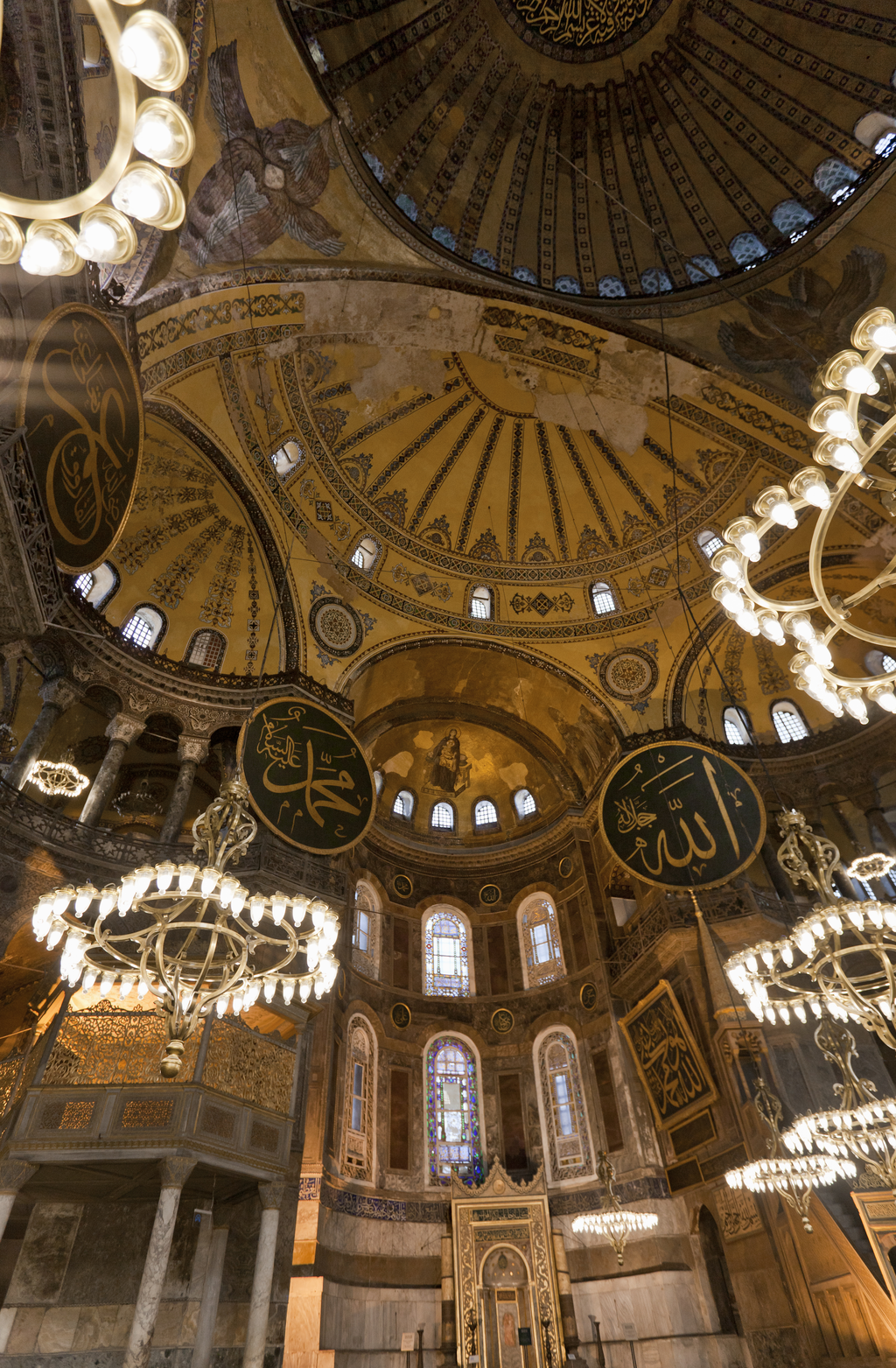
In the Depths of Hagia Sophia
Tunnels, Cisterns, and Forgotten Chambers Below
Far below the shimmering mosaics and soaring dome of Hagia Sophia lies a shadowy world of tunnels, cisterns, and hidden rooms. For centuries, stories about these underground spaces have fed the imagination of pilgrims, travelers, and modern explorers alike.
A City of Water Beneath the Stones
Byzantine engineers built a dense network of cisterns and channels under Constantinople. Hagia Sophia was connected to this system, ensuring a steady water supply in times of peace and siege. Archaeological surveys have documented brick-lined corridors, vaulted chambers, and water channels beneath and around the monument.
Secret Passages and Palace Connections
Later legends speak of secret passages linking Hagia Sophia to the Great Palace and other important buildings. While some of these stories are exaggerated, excavations have confirmed the existence of corridors leading in the direction of the former imperial complex, hinting at a discreet circulation system for clergy and court.
Burials and Ritual Spaces
In the subterranean layers around Hagia Sophia, archaeologists have found traces of early Christian burials, small chapels, and re-used rooms. Ottoman additions, including royal tombs and service spaces, further complicated this underground landscape.
Modern Explorations
In the last decades, controlled archaeological campaigns and limited speleological expeditions have explored parts of this underground world. Many passages remain inaccessible for safety and conservation reasons, preserving the mystery of what still lies in the depths.
Most tunnels are not open to the public, but you can still sense the presence of the underground world by visiting nearby cisterns such as the Basilica Cistern and by looking for service openings and grilles in the floors of Hagia Sophia.
Read about the Tunnels of Hagia Sophia