Hagia Sophia's Culinary Chronicles: From Imperial Tables to Modern Tastes (2026)
Rising like a timeless monument in the heart of Istanbul, Hagia Sophia captivates visitors not only with its architecture and history but also with the cultural life that has flourished around it. In this article, we will particularly focus on the culinary history of Hagia Sophia, exploring a gastronomic journey from imperial tables to contemporary Istanbul cafes. The food culture shape...
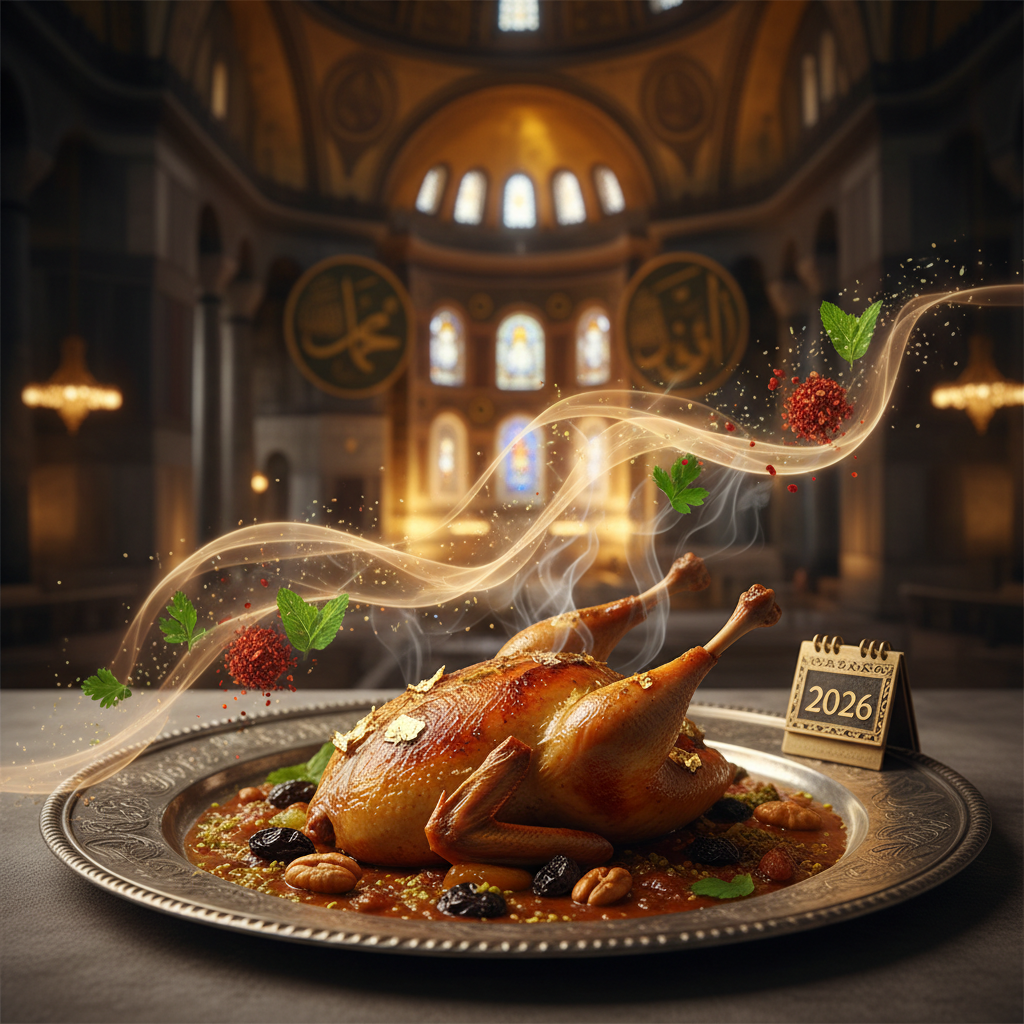
Ayasofya Mutfak Tarihi: Culinary Journey Through Hagia Sophia's Past to 2026
Rising like a timeless monument in the heart of Istanbul, Hagia Sophia captivates visitors not only with its stunning architecture and profound history but also with the vibrant cultural life that has flourished around it. In this article, we delve deep into Ayasofya mutfak tarihi, exploring a gastronomic journey from imperial tables to contemporary Istanbul cafes. The food culture shaped in the shadow of Hagia Sophia bears the traces of many different civilizations over centuries and, as of 2026, continues to illuminate the city's dynamic gastronomy scene. Indeed, understanding Ayasofya's culinary history provides a delectable context to its enduring legacy. Mysteries & Legends of Hagia Sophia
Byzantine Culinary Traditions: The Foundation of Hagia Sophia's Food Scene
From its initial construction, the area surrounding Hagia Sophia quickly became a vibrant center of life, laying the groundwork for a rich food and drink culture. During the Byzantine Empire, palaces and lavish mansions near Hagia Sophia were where the most luxurious dishes of the era were meticulously prepared. The very roots of Ayasofya mutfak tarihi are deeply embedded in this rich Byzantine cuisine. Consequently, the tables of emperors and nobles were consistently filled with unique flavors where East and West delightfully met. Spices, exotic fruits, and rare meats were indispensable elements of these opulent feasts, setting a high standard for culinary excellence. To understand the grandeur of this period, it's worth exploring the construction techniques of Hagia Sophia itself, which reflect the imperial ambition of the time.
Byzantine Imperial Feasts and Dining Rituals
- Great Variety: Notably, seafood, game meats, various grains, and fresh vegetables formed the nutritional basis of Byzantine cuisine.
- Banquets: Grand feasts were specifically held for special occasions, significant celebrations, and religious ceremonies. These elaborate gatherings were exclusively attended by esteemed court members and important guests.
- Use of Spices: Spices like coveted black pepper, aromatic cinnamon, and fragrant cloves, painstakingly brought via the Silk Road, added a rich and complex aroma to countless dishes.
- Wine Culture: Furthermore, wine production was highly developed during the Byzantine period and was considered an essential component of nearly every dining table.
During this period, the bustling bazaars around Hagia Sophia diligently supplied all the necessary ingredients for the imperial kitchen. In addition to rare goods from distant lands, fresh produce from local farms was also abundant. Chefs working in the palace kitchens were among the most respected artisans of the time, and their invaluable recipes were carefully passed down through generations, ensuring culinary continuity.
The Rise of Ottoman Cuisine in the Shadow of Hagia Sophia
After the Conquest of Istanbul, as Hagia Sophia was transformed into a mosque, the city's culinary culture began to acquire a distinct new identity. The Ottoman Empire, while gracefully inheriting the legacy of Byzantium, also intricately blended culinary traditions from Central Asia, the Middle East, and the Balkans. During this pivotal period, Ayasofya mutfak tarihi gained a significant new dimension with the exquisite dishes prepared in Topkapı Palace. At the direct command of Fatih Sultan Mehmet, Saraçhane, located not far from Hagia Sophia, was established and rapidly became the city's primary food hub. This further shaped İstanbul’s evolving food scene. Exploring ancient paths around Hagia Sophia reveals how commerce and cuisine developed hand-in-hand.
Cornerstones of Ottoman Culinary Culture
- Palace Cuisine: The vast Topkapı Palace kitchens boasted a massive organization, preparing food for thousands of people daily. Specialized sections such as the Helvahane (confectionery house) and Kuşhane (poultry house) were integral parts of this culinary infrastructure.
- Artisan Restaurants: Artisan restaurants, which developed significantly with urbanization, diligently met the daily food needs of the general public. Hearty stews, flavorful kebabs, and nourishing soups were particularly popular.
- Desserts and Sherbets: Delicious sweets and refreshing sherbets held a very special place in Ottoman cuisine. Classic halvas, creamy sütlaç (rice puddings), and delicate baklavas were absolutely indispensable at any Ottoman feast.
- Coffee Culture: Coffee, which steadily spread from the 16th century onwards, became an integral part of social life. Consequently, coffee houses became important gathering places around Hagia Sophia as well, fostering community and discussion.
In the Ottoman period, the area directly around Hagia Sophia was also a bustling spot for energetic street vendors and small food stalls. Simit sellers, refreshing sherbet vendors, and sweet macun (Ottoman paste candy) sellers offered delicious and readily available snacks to both visitors and local residents. Encouragingly, traces of this vibrant tradition can still be observed in the numerous street vendors around Hagia Sophia in 2026, preserving a truly authentic culinary experience.
Traditional Flavors Flourishing Around Hagia Sophia
The profound changes witnessed by Hagia Sophia over centuries have also significantly shaped the eating and drinking habits in its immediate surroundings. The cosmopolitan structure of Istanbul naturally brought together cuisines from many different cultures, leaving deep and lasting marks on Ayasofya mutfak tarihi. Even today, very close to Hagia Sophia, you can readily find many traditional flavors that are directly inspired by both rich Byzantine and exquisite Ottoman cuisines, offering a taste of history with every bite. The continuity of these culinary traditions mirrors the enduring visual history of Hagia Sophia itself.
Iconic Traditional Flavor Stops Near Hagia Sophia
- Sultanahmet Meatballs: The famous meatball shops, synonymous with the region, offer one of the truly indispensable tastes of Istanbul's historical peninsula.
- Kebabs and Doner: These world-renowned flavors of Turkish cuisine can be experienced with their authentic, original recipes in numerous restaurants positioned around Hagia Sophia.
- Baklava and Turkish Delight: These delectable sweets, best enjoyed with a warm cup of tea or coffee, are a timeless symbol of gracious Turkish hospitality.
- Balık Ekmek (Fish Sandwich): Especially when heading down towards Eminönü, the iconic fish sandwich offered right under the majestic Galata Bridge provides a unique culinary experience, bringing the fresh taste of the Bosphorus directly to the palate.
These traditional flavors are far more than just food; they are also a vibrant reflection of a rich culture, a deep history, and a cherished way of life. A tourist visiting Hagia Sophia can truly grasp the authentic soul of the city by fully experiencing these unforgettable flavors. Indeed, exploring Ayasofya mutfak tarihi through these dishes enriches the entire visit. Learn more about the city's broader culinary influence on Turkish Cuisine.
Gastronomy Trends and Culture Around Hagia Sophia in 2026
Today, as of 2026, the area immediately surrounding Hagia Sophia hosts not only revered traditional flavors but also exciting modern gastronomic trends. Many restaurants and cafes, offering innovative approaches while respectfully preserving the critical historical texture, promise rich and diverse experiences to eager visitors. The ongoing Ayasofya mutfak tarihi is witnessing new and exciting stops on this incredible journey of flavors, seamlessly extending from the deep past to the dynamic present. This dynamic evolution can also be seen in Istanbul's vibrant contemporary art scene, as detailed by Artsy.
Reflections of Modern Istanbul's Culinary Scene
- Fine Dining Restaurants: Throughout the historical peninsula, there are several high-quality fine dining restaurants that exquisitely interpret classic Turkish cuisine using sophisticated modern techniques.
- Boutique Cafes: Charming boutique cafes offering specialty coffee beans, meticulously handmade desserts, and light snacks have become a strong preference for the younger generation and discerning visitors alike.
- Vegan and Vegetarian Options: In parallel with steadily increasing global demand, establishments offering delicious plant-based menus have also successfully found their place around Hagia Sophia, catering to diverse dietary needs.
- Street Food Festivals: Istanbul's incredibly rich street flavors are proudly showcased through engaging thematic festivals held during certain periods of the year, celebrating the city's vibrant culinary heritage.
Ultimately, these exciting developments not only offer visitors to Hagia Sophia breathtaking architecture and profound history but also an unforgettable and comprehensive gastronomic experience. This unique culinary culture, a delightful blend of traditional and modern, is a clear indicator of Istanbul's dynamic and ever-evolving structure. Thus, understanding Ayasofya mutfak tarihi involves appreciating its modern adaptations too. For current travel information, check with trusted sources like Lonely Planet on Istanbul.
Hagia Sophia's Culinary History and Future Generations
The expansive Ayasofya mutfak tarihi is not merely a reflection of the past but also a precious legacy to be carefully carried into the future. In this truly unique region of Istanbul, centuries-old eating and drinking habits are being diligently preserved and further developed by new, innovative generations. In 2026 and well beyond, the delectable dishes meticulously cooked and the refreshing drinks expertly served at the majestic foot of Hagia Sophia will undoubtedly continue to appeal to visitors' senses. This ongoing evolution ensures that Ayasofya's culinary journey is never-ending.
This truly rich culinary culture is an indispensable element for every tourist who wishes to fully experience the essence of Hagia Sophia. Istanbul is vividly described not only by its awe-inspiring historical structures but also by its incredible food, and the captivating culinary tales around Hagia Sophia form one of the most delicious chapters of this compelling narrative. In this unique geography where history and taste remarkably converge, every single bite offers the authentic flavor of a millennia-old heritage, celebrating the enduring Ayasofya mutfak tarihi.