Constantine's Church
The history of Hagia Sophia as a Byzantine Christian cathedral
Before the magnificent structure we see today, two earlier churches stood on this sacred site. Understanding the history of Hagia Sophia as a church reveals its deep significance in Christian history.
First Church (360-404 AD)
The first church on this site was commissioned by Emperor Constantius II (son of Constantine the Great) and consecrated on February 15, 360 AD. It was a traditional basilica with a timber roof. This church was burned down during riots following the exile of Patriarch John Chrysostom in 404 AD.
Second Church (415-532 AD)
Emperor Theodosius II ordered the construction of a new church, which was inaugurated on October 10, 415 AD. This was also a basilica, with a monumental entrance and marble columns. It was destroyed during the Nika riots of January 532 AD, when much of Constantinople was burned.
Third Church - Current Structure (537 AD - Present)
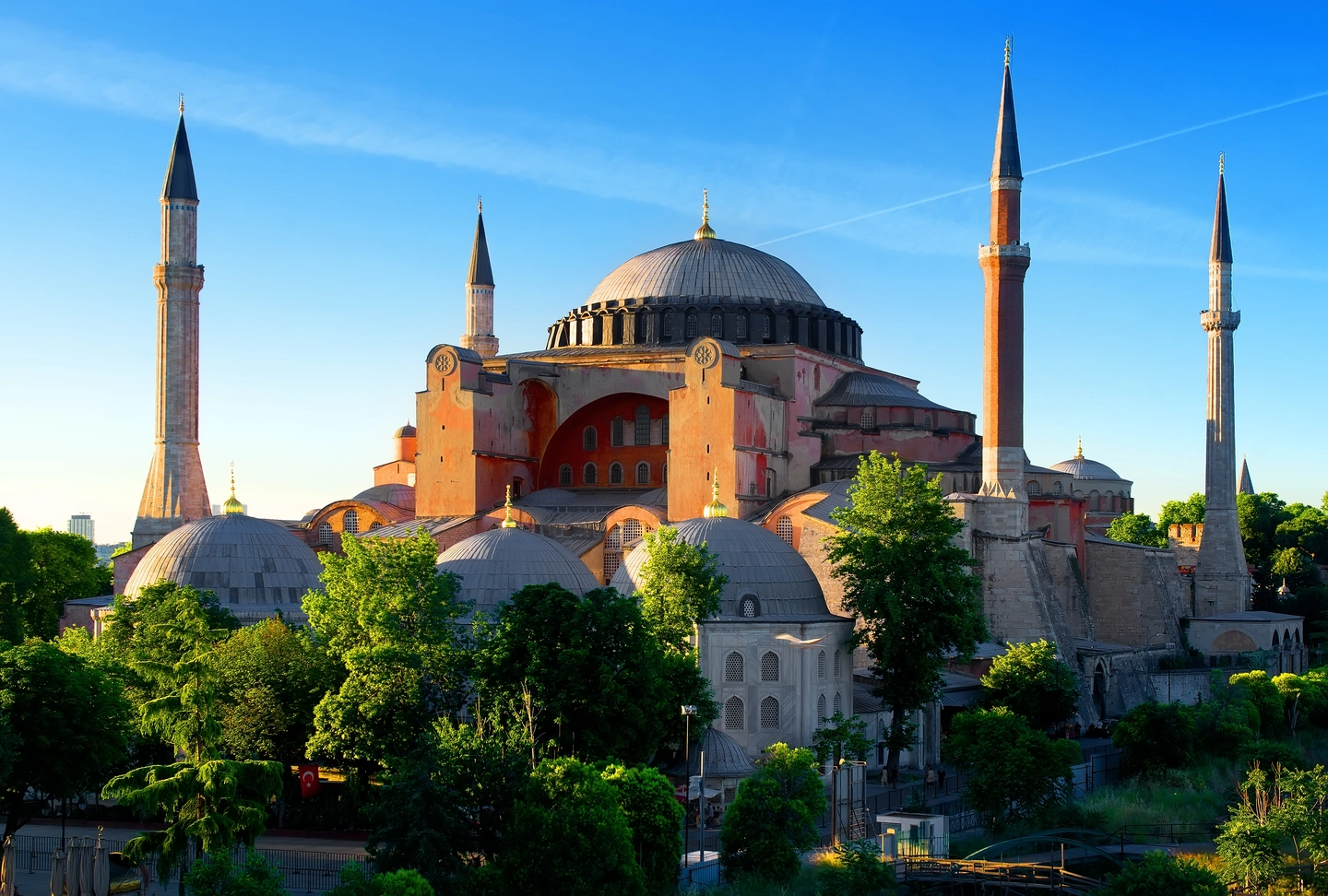
Emperor Justinian I commissioned the current building just 39 days after the destruction of the second church. Designed by Isidore of Miletus and Anthemius of Tralles, it was completed in just under 6 years and consecrated on December 27, 537 AD. Upon seeing the completed cathedral, Justinian reportedly declared 'Solomon, I have outdone thee!'
Religious Significance
Seat of the Patriarch
For nearly 1,000 years, Hagia Sophia served as the cathedral of the Ecumenical Patriarch of Constantinople, the spiritual leader of Eastern Orthodox Christianity.
Imperial Coronations
Byzantine emperors were crowned in Hagia Sophia, linking the church directly to imperial authority and the divine right of emperors.
Center of Orthodox Christianity
Major church councils and religious ceremonies took place here, making it the center of Orthodox Christian worship and theology.
1453 Conversion
When Sultan Mehmed II conquered Constantinople on May 29, 1453, Hagia Sophia was immediately converted into a mosque. The sultan ordered the building protected and had it converted for Islamic worship within days, preserving the structure while adding Islamic elements like minarets and a mihrab.