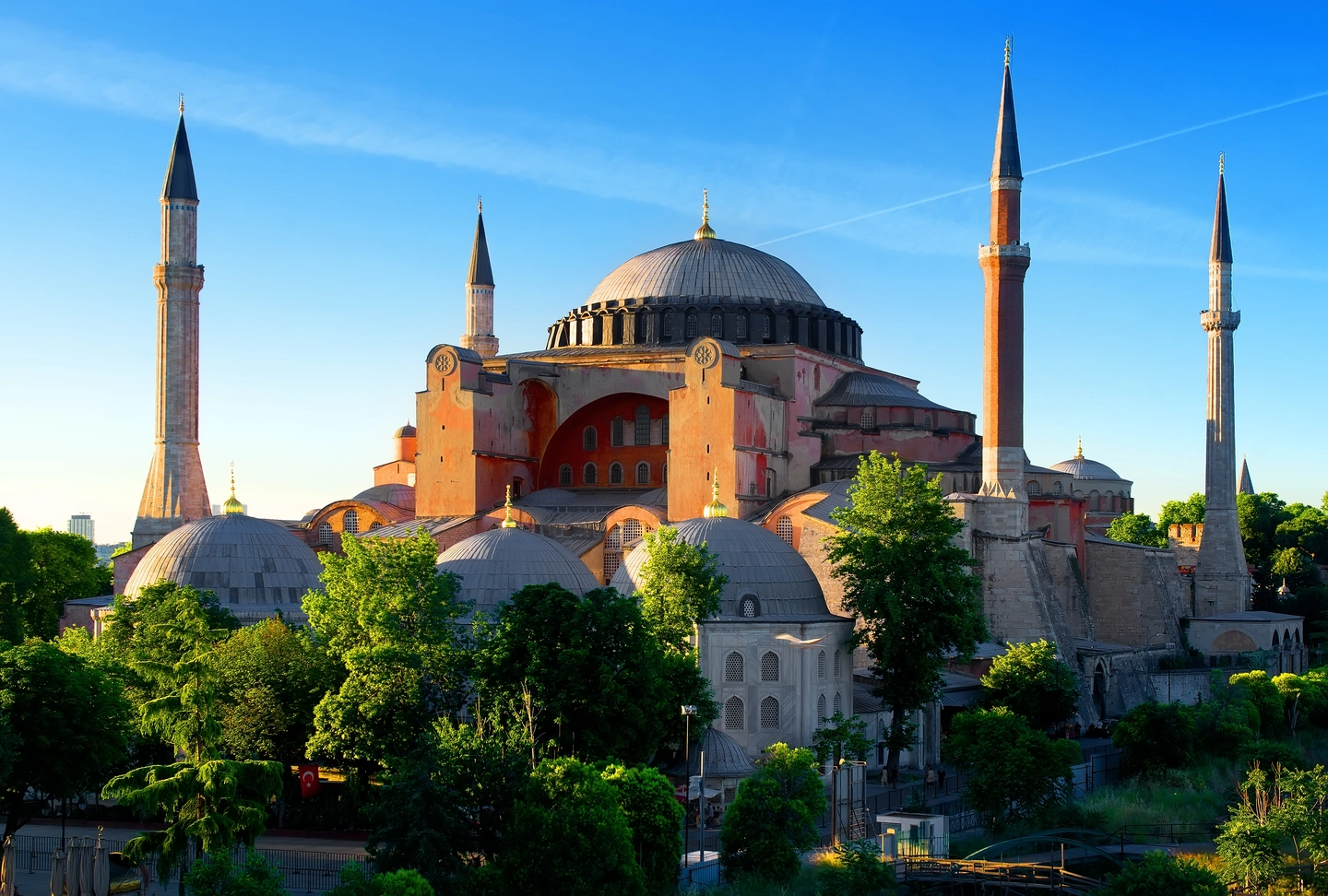
Hagia Sophia Museum
Exploring the museum era (1934-2020) when Hagia Sophia served as a secular monument
The Museum Period (1934-2020)
On November 24, 1934, the Turkish Cabinet under Mustafa Kemal Atatürk issued a decree converting Hagia Sophia into a museum. This decision was part of Atatürk's broader secularization reforms and aimed to present the building as a shared cultural heritage site rather than a religious institution. The museum opened to visitors on February 1, 1935.
Restoration and Discovery
The museum period saw extensive restoration work. Byzantine mosaics that had been covered during the Ottoman era were carefully uncovered and restored. The building's dual heritage - both Byzantine Christian and Ottoman Islamic - was celebrated and preserved, with mosaics displayed alongside Islamic calligraphy.
World Heritage Status
In 1985, Hagia Sophia was inscribed as a UNESCO World Heritage Site as part of the Historic Areas of Istanbul. The museum attracted millions of visitors annually, becoming Turkey's most visited tourist attraction and a symbol of cultural coexistence between East and West.
2020 Reconversion
On July 10, 2020, Turkey's Council of State annulled the 1934 decree, and President Erdoğan declared Hagia Sophia would reopen as a mosque. The first prayers were held on July 24, 2020. While it now functions as an active mosque, it remains open to visitors outside of prayer times.