Hagia Sophia's Architectural Evolution: A Journey Through Ages from Byzantium to the Ottomans and into 2026
Rising in the heart of Istanbul as an epic masterpiece, Hagia Sophia is a living testament to remarkable transformation. The architectural evolution of Hagia Sophia presents not merely a place of worship, but a mirror reflecting the artistic and engineering genius of civilizations from Byzantium to the Ottomans and its continued significance into 2026.
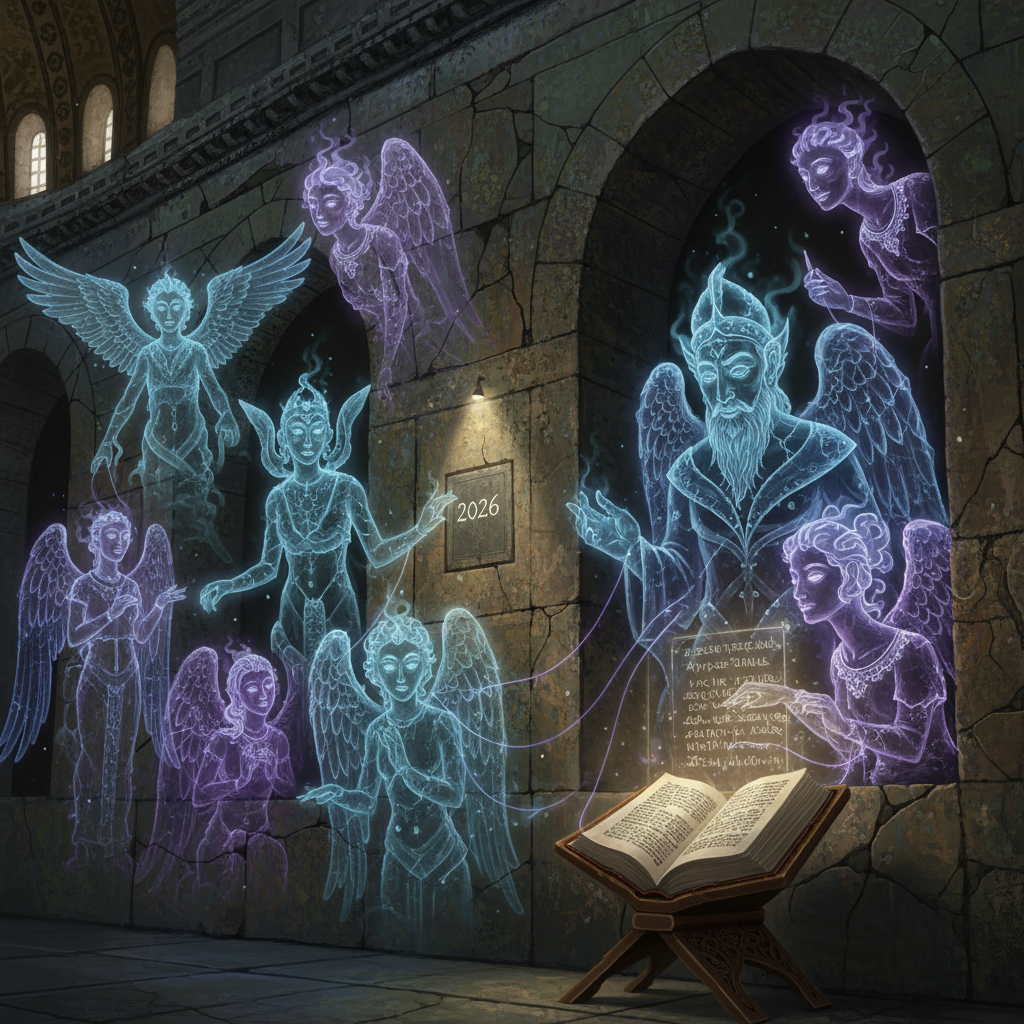
Hagia Sophia's Architectural Evolution: A Journey Through Ages from Byzantium to the Ottomans and into 2026
Rising in the heart of Istanbul as an epic masterpiece, Hagia Sophia stands as a living testament to remarkable transformation through the ages. The Hagia Sophia's Architectural Evolution presents visitors not merely a place of worship, but also a mirror reflecting the artistic and engineering genius of civilizations. As we arrive in 2026, this sacred space continues to tell a story spanning millennia, patiently preserving every layer of its extensive past. For those curious about the daily oversight of such a monumental site, read about Hagia Sophia's Enigmatic Guardians: Centuries of Silent Servants and Their Stories through the Lens of 2026.
Hagia Sophia's Byzantine Splendor: The First Structures and Early Innovations
The dazzling structure of Hagia Sophia today is, in fact, the third great basilica built on the same site. The first two structures were destroyed for various reasons. Yet, each destruction laid the groundwork for a grander and more magnificent renewal. Built between 532 and 537 during the reign of Emperor Justinian I, this final structure became a powerful symbol of the Byzantine Empire's golden age. This period marks a crucial stage in Hagia Sophia's Architectural Evolution.
The genius of architects Anthemius and Isidore truly pushed the engineering boundaries of their time. They successfully filled the interior with an almost divine light using an unprecedented dome system. Consequently, the architectural evolution of Hagia Sophia during this period is considered a pivotal moment in architectural history. Delve deeper into the building's Mysterious Layers: Centuries of Geological Secrets and Whispers of Stones (2026) to understand its foundational strength.
Byzantine Architecture and Dome Technology
- Central Dome: The most striking feature of Hagia Sophia is its enormous central dome, boasting a diameter of 31.87 meters. This dome is expertly supported by four large piers and further buttressed by semi-domes, creating a spacious and airy interior. This innovation was key to Hagia Sophia's Architectural Evolution.
- Windows and Lighting: Specifically, forty windows strategically placed around the dome allow natural light to flood the space, helping it acquire a mystical atmosphere. These windows effectively make the dome appear as if it is floating in the air.
- Mosaics: Furthermore, the intricate mosaics created during the Byzantine period constitute the most valuable parts of Hagia Sophia's interior decoration. These exquisite gold-leaf mosaics depict important figures and scenes from Christianity.
Byzantine Era Repairs and Additions
Significantly, damaged by various earthquakes and invasions after its initial construction, Hagia Sophia underwent countless repairs and strengthening efforts by Byzantine Emperors. Cracks in the dome, in particular, were reinforced with engineering marvels known as buttresses. These essential repairs evidently increased the structure's durability and played a significant role in its survival to the present day. Ultimately, each repair added a new layer to Hagia Sophia's unique architectural identity. Many of these enhancements contributed to the fascinating Mysterious Passageways of Hagia Sophia: Timeless Waterways and Hidden Entrances (2026) that visitors can still explore. These ongoing efforts highlight the continuous nature of Hagia Sophia's Architectural Evolution.
Ottoman Period: A New Chapter in Hagia Sophia's Architectural Evolution
With the conquest of Istanbul in 1453, a new and transformative chapter opened in the history of Hagia Sophia. Sultan Mehmed the Conqueror transformed this magnificent structure into a mosque, thereby making it one of the most powerful symbols of the Ottoman Empire's conquest. The architectural evolution of Hagia Sophia that began during this period brought about radical changes in the building's exterior appearance and interior decoration.
Ottoman architects meticulously preserved Hagia Sophia's original Byzantine structure while also making strategic new additions suitable for its function as a mosque. These additions effectively enriched the building's cultural and religious identity, positioning it as a profound crossroads of both Byzantine and Ottoman art. The fusion of cultures is palpable, even reflected in the evolving traditions of Hagia Sophia's Traveler Coffees: A Taste of History and 2026 Coffee Rituals. This period showcases a significant phase in Hagia Sophia's Architectural Evolution.
The Rise of Minarets and Ottoman Decorations
- Minarets: Crucially, the four minarets added during the Ottoman period completely altered Hagia Sophia's silhouette, distinctly giving it the appearance of a mosque. These minarets were constructed both for the call to prayer and to reinforce the building's Islamic identity.
- Mihrab and Minbar: Internally, a mihrab was added within the mosque to indicate the direction of Mecca, alongside a minbar for sermons. These elements stand as beautiful examples of Ottoman marble craftsmanship.
- Calligraphic Works: Moreover, large calligraphic panels adorning the interior featured verses from the Quran and names of caliphs. These impressive calligraphic artworks added a deep spiritual meaning to Hagia Sophia's internal architecture. Even in 2026, these works continue to attract immense interest from visitors, further illustrating the rich tapestry of Hagia Sophia's Architectural Evolution.
Mimar Sinan and Major Renovations
The most comprehensive repairs to Hagia Sophia during the Ottoman period were expertly carried out by Mimar Sinan during the reigns of Suleiman the Magnificent and Selim II. Mimar Sinan skillfully resolved the building's structural problems, significantly increasing its resistance to earthquakes. By adding robust support buttresses and meticulously balancing the load of the dome, he effectively ensured Hagia Sophia's stability for centuries. These remarkable works are among the most prominent examples of Mimar Sinan's engineering genius and distinctly represent a vital period in the Architectural Monuments and Sculptures of Hagia Sophia.
Hagia Sophia's 20th and 21st Century Journeys: From Museum to Mosque
In the Republican era, Hagia Sophia was granted museum status by the decision of Mustafa Kemal Atatürk in 1934, making it accessible to all humanity as a universal cultural heritage. During this significant process, mosaics from the Byzantine period were carefully cleaned and restored, effectively bringing them back to light. Thus, the museum period reinforced Hagia Sophia's characteristic as a vital bridge between different cultures and religions. For a broader understanding of its journey, see the UNESCO World Heritage Site page for Historic Areas of Istanbul, which includes Hagia Sophia. This transition is another key aspect of Hagia Sophia's Architectural Evolution.
In 2020, by a decision of the Turkish Council of State, Hagia Sophia was reopened for worship as a mosque. This decision resonated widely globally and sparked considerable debate. However, it was consistently emphasized that the building's profound cultural and historical riches would be preserved and would remain openly accessible to all visitors. Now in 2026, Hagia Sophia continues to draw vast crowds of visitors as both a place of worship and a monumental historical landmark. A Hagia Sophia Traveler's Guide 2026 provides insights for planning a visit.
Restoration Works and Conservation Efforts for Hagia Sophia's Architectural Evolution
Throughout its history, Hagia Sophia has been subject to continuous conservation and restoration efforts, both as a museum and as a mosque. These ongoing efforts primarily aim to preserve the building's original texture and meticulously pass it on to future generations. With continuously advancing technology, modern methods such as 3D modeling and laser scanning are also being increasingly utilized in current restoration processes, ensuring the continued study of Hagia Sophia's Architectural Evolution.
- Preservation of Mosaics: Byzantine mosaics are cleaned using specialized techniques and rigorously protected from the damaging effects of atmospheric conditions.
- Structural Integrity: Furthermore, periodic inspections and strategic reinforcements are regularly carried out to maintain the building's static integrity against the relentless forces of earthquakes and time.
- Landscaping: Additionally, the surroundings of Hagia Sophia are thoughtfully arranged to allow visitors to experience the site comfortably and safely. You can learn more about its construction and preservation efforts through resources like Britannica's entry on Hagia Sophia.
Hagia Sophia's Symbolic Meaning and Enduring Legacy for 2026 and Beyond
Hagia Sophia is much more than just a structure; it is a living history book where civilizations met, bearing the indelible traces of different faiths and cultures. The profound architectural evolution of Hagia Sophia powerfully reminds us how valuable humanity's common heritage truly is and how carefully it must be preserved. Indeed, in 2026, Hagia Sophia still maintains its esteemed status as one of the most visited and admired structures in the world.
This unique building perfectly embodies the synthesis of East and West, Christianity and Islam. In every brick, every mosaic piece, and every marble decoration, a story spanning thousands of years is hidden. Therefore, visiting Hagia Sophia is not merely seeing a building, but embarking on a cultural journey across ages. Looking to the future, Hagia Sophia will undoubtedly continue to be a crucial bridge that transmits the wisdom and art of the past to new generations. Even young travelers in 2026 find its stories captivating, as detailed in Hagia Sophia Through the Eyes of a Young Traveler: Tales, Legends, and the Adventures of Little Explorers in 2026. The ongoing narrative of Hagia Sophia's Architectural Evolution continues to inspire.