Hagia Sophia's Traveling Artisans: A Handicraft Journey from Ancient Techniques to 2026 Restorations
Hagia Sophia has stood for centuries as a testament to unparalleled architectural and artistic achievement. This article uncovers the compelling stories of the Hagia Sophia artisans, whose dedication built and preserved this magnificent structure. Even in 2026, their ancient techniques and profound craftsmanship continue to influence ongoing restoration efforts, manifesting in every intricate detail. Journey through time to understand the enduring impact of these master craftspeople on one of the world's most iconic buildings.
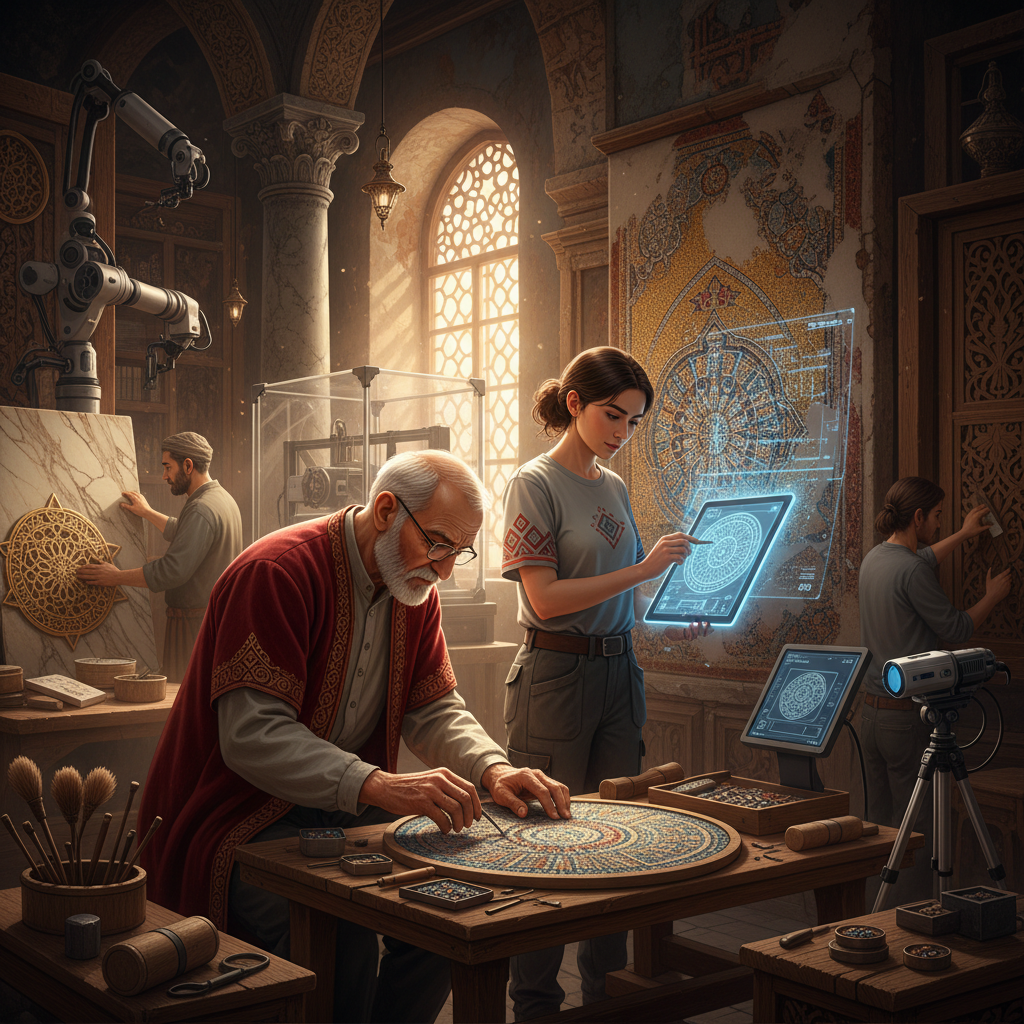
Hagia Sophia's Traveling Artisans: A Journey of Craftsmanship from Ancient Techniques to 2026 Restorations
Hagia Sophia stands for centuries as one of the most captivating structures in human history. To truly grasp its splendor, one must delve into the stories of the Ayasofya zanaatkarları (Hagia Sophia artisans) who meticulously built and preserved it for generations. Even in 2026, their legacy manifests in every corner of the structure. They did not merely carve stone or lay mosaics; they shaped the very soul of an architectural masterpiece.
For a broader perspective on the architectural journey of this monumental building, discover Hagia Sophia's Architectural Evolution: A Journey Through Ages from Byzantium to the Ottomans and into 2026.
The Essential Role of Ayasofya Zanaatkarları in its Construction
The construction of Hagia Sophia represented one of the greatest engineering and artistic endeavors of its era. This colossal work relied heavily on the labor and expertise of thousands of Ayasofya zanaatkarları. By order of Emperor Justinian, skilled masters and precious materials like marbles and minerals were brought from across the globe, transforming a grand vision into reality. This process was not just about erecting a physical structure; it was a profound merging of diverse cultures and arts.
Talents from the Ancient World
The origins of the masters who worked on Hagia Sophia were as diverse as the materials they employed. Artisans from Anatolia, various cities of the Byzantine Empire, and even specially talented individuals from the East contributed their skills. Each of these Ayasofya zanaatkarları, at the pinnacle of their respective crafts, combined their knowledge and experience to create an unparalleled structure. Their superior craftsmanship was evident in every field, from intricate marble work and delicate wood carving to vibrant fresco painting and elaborate mosaic laying. To delve deeper into the human stories behind these creations, explore Hagia Sophia's Traveler's Memoir: Hidden Diaries and Personal Stories Uncovered in 2026.
Labor Organization and Craft Hierarchy
In such a monumental project, labor organization was paramount. The coordination of thousands of workers and artisans is indeed considered one of the most successful engineering marvels of its time. A clear hierarchical structure existed, comprising master craftsmen, journeymen, and apprentices. Each artisan group meticulously applied their specialized skills, ensuring the flawless execution of the master plan. This meticulous organization allowed Hagia Sophia to be completed not only efficiently but also with exceptional quality.
The Magic of Mosaic Art: Light from the Hands of Ayasofya Zanaatkarları
When reflecting on the Ayasofya zanaatkarları, mosaic art immediately comes to mind due to its captivating mastery. The mosaics adorning Hagia Sophia’s walls and apse are more than mere decorations; they are invaluable documents reflecting the period's beliefs, artistic understanding, and aesthetic tastes. Despite the challenges of time and wear, these mosaics impressively retain their initial splendor. The interplay of light and imagery in these mosaics offers a unique visual experience, which you can read more about in Hagia Sophia's Evolving Lights and Shadows: A Visual Feast Through Time (2026).
Mosaic Production Techniques and Materials
Hagia Sophia's mosaics were painstakingly created by carefully assembling small, colored glass, stone, and sometimes gold-leafed pieces, known as tesserae. Each piece was strategically placed to reflect light from a specific angle, creating the illusion of a moving picture for the viewer. The glass used was specially colored and processed with particular techniques, ensuring its color would not fade over time. Furthermore, the gold-leafed mosaics shimmered even in dimly lit spaces, adding a divine aura to the religious figures depicted. For a deeper understanding of the artistic techniques prevalent during this era, explore resources from reputable institutions like the Metropolitan Museum of Art's guide to Byzantine Art.
Significant Mosaic Restorations in Hagia Sophia
Over the centuries, Hagia Sophia's mosaics were, for various reasons, either covered or damaged. However, through dedicated restoration works conducted during different periods, they have been brought back to light. Since the early 20th century, particularly through the efforts of institutions like Thomas Whittemore and the Byzantine Institute, these mosaics have been meticulously cleaned and conserved. As of 2026, ongoing conservation efforts continue to ensure these valuable works are preserved for future generations.
Marble and Stone Masonry: Architectural Heritage from Ayasofya Zanaatkarları
Behind the majestic presence of Hagia Sophia lies tons of marble and stone, expertly worked by the Ayasofya zanaatkarları. These materials formed not only the structural skeleton but also provided unique artistic expressions in the columns, capitals, wall coverings, and floors. Marble masonry is undeniably one of the most distinctive elements of Hagia Sophia's architectural identity.
Origin and Diversity of Marbles
Some of the marbles used in Hagia Sophia's construction were sourced from Proconnesus (Marmara Island), while others originated from Ancient Greece, Anatolia, and even North Africa. These varied marbles, with their diverse colors and textures, were skillfully combined by the masters, adding significant visual richness to the structure. Marbles in green, white, red, and pink tones imbue Hagia Sophia's interiors with a natural aesthetic warmth. The historical significance of these materials often reveals much about ancient trade routes, as documented by National Geographic's overview of ancient trade.
Details in Columns and Capitals
The enormous columns of Hagia Sophia and their crowning capitals represent the pinnacle of marble craftsmanship. Notably, the acanthus leaf patterned capitals, often referred to as the "wind-blown style," showcase the subtle artistry of Byzantine design. Every detail in each capital reflects the mastery and aesthetic understanding of the Ayasofya zanaatkarları. These intricate details reinforce the profound harmony and balance that permeates throughout the entire structure.
Guardians of Hagia Sophia: Restoration Works in 2026 and Beyond
Throughout its history of over fifteen hundred years, Hagia Sophia has endured numerous earthquakes, fires, and human interventions. Its survival during these challenging times is a testament to the talented architects, engineers, and indeed the Ayasofya zanaatkarları of their respective eras. As of 2026, contemporary restoration techniques and scientific approaches are actively being employed to preserve this irreplaceable heritage and transmit it to future generations.
Restoration Approaches from Past to Present
The restoration history of Hagia Sophia is as layered and complex as the structure itself. Reinforcement and repair works carried out during the Ottoman period, particularly the addition of buttresses by Mimar Sinan, significantly contributed to maintaining the building's static balance and earthquake resistance. During the Republic era, with its conversion into a museum, scientific research and conservation efforts gained considerable momentum. Today, restoration principles adhering to international standards, which meticulously preserve the structure's original texture, are adopted. Further insights into the history and impact of Mimar Sinan’s work can be found via historical archives and architectural studies, such as those available through academic institutions.
Ongoing Works in Hagia Sophia in 2026
As of 2026, ongoing restoration works at Hagia Sophia are focusing on various elements of the structure. Expert teams, especially those combating the damaging effects of humidity and environmental factors, are utilizing advanced technological methods. Their efforts aim to prevent corrosion in the walls, stabilize mosaics, and ensure structural integrity. These works are vital for Hagia Sophia to maintain its existence as both a place of worship and a world heritage site indefinitely. Indeed, modern Ayasofya zanaatkarları are working with immense dedication to protect the profound legacy of their ancestors.
The Enduring Legacy of Ayasofya Zanaatkarları: Messages to Today's Tourists
Every tourist visiting Hagia Sophia can perceive the echoes of thousands of years of history and labor within its ancient walls. The Ayasofya zanaatkarları did not just build a structure with stone and mortar; they pushed the very boundaries of human ingenuity and faith. Their legacy continues to be profoundly inspiring even in today's rapidly evolving world. When visiting this magnificent work, an appreciation for the handmade effort hidden in every corner, beyond its glorious architecture, will undoubtedly deepen the meaning of the visit. For a complete guide to planning your visit and getting the most out of it, see Hagia Sophia Traveler's Guide 2026: An In-Depth Post-Visit Look and Lasting Memories.
Harmony of Visual Feast and Technical Excellence
Every detail within Hagia Sophia offers a truly stunning visual spectacle. From the colossal dome dominating its ceiling to the intricately carved panels on the walls, and from the magnificent columns to the glittering mosaics, every element represents both an engineering marvel and a profound work of art. This perfection arose directly from the combination of artistic vision and the technical skills of the Ayasofya zanaatkarları of that period. The captivating dance of light within the structure and the spiritual atmosphere of the space together offer visitors an unforgettable experience.
Explaining Hagia Sophia to Future Generations
Hagia Sophia serves as a vital bridge connecting the past and the future. Visiting it is not merely seeing a historical site; it is actively partaking in humanity's common heritage. In 2026 and beyond, the story of Hagia Sophia will continue to be told, alongside the compelling story of the Ayasofya zanaatkarları who built and meticulously preserved it. It is the collective responsibility of all of us to understand the spirit of this unique structure, to carry the mysterious wisdom of the past into the present, and to transmit this invaluable cultural asset to future generations. Ultimately, Hagia Sophia is more than just a building; it is a profound life lesson, a powerful symbol of perseverance, faith, and boundless creativity. Understanding its role as a UNESCO World Heritage site reinforces its global significance.