Hagia Sophia's Botanical Motifs and Healing Gardens: Botanical Secrets from the Past to 2026
Hagia Sophia, a marvel in Istanbul, is renowned for its architectural grandeur and exquisite botanical motifs. This article delves into the meanings, symbolism, and historical journey of these botanical ornamentations, exploring their integration into the structure and their connection to ancient healing gardens. Discover these timeless botanical secrets and their enduring appeal through 2026.
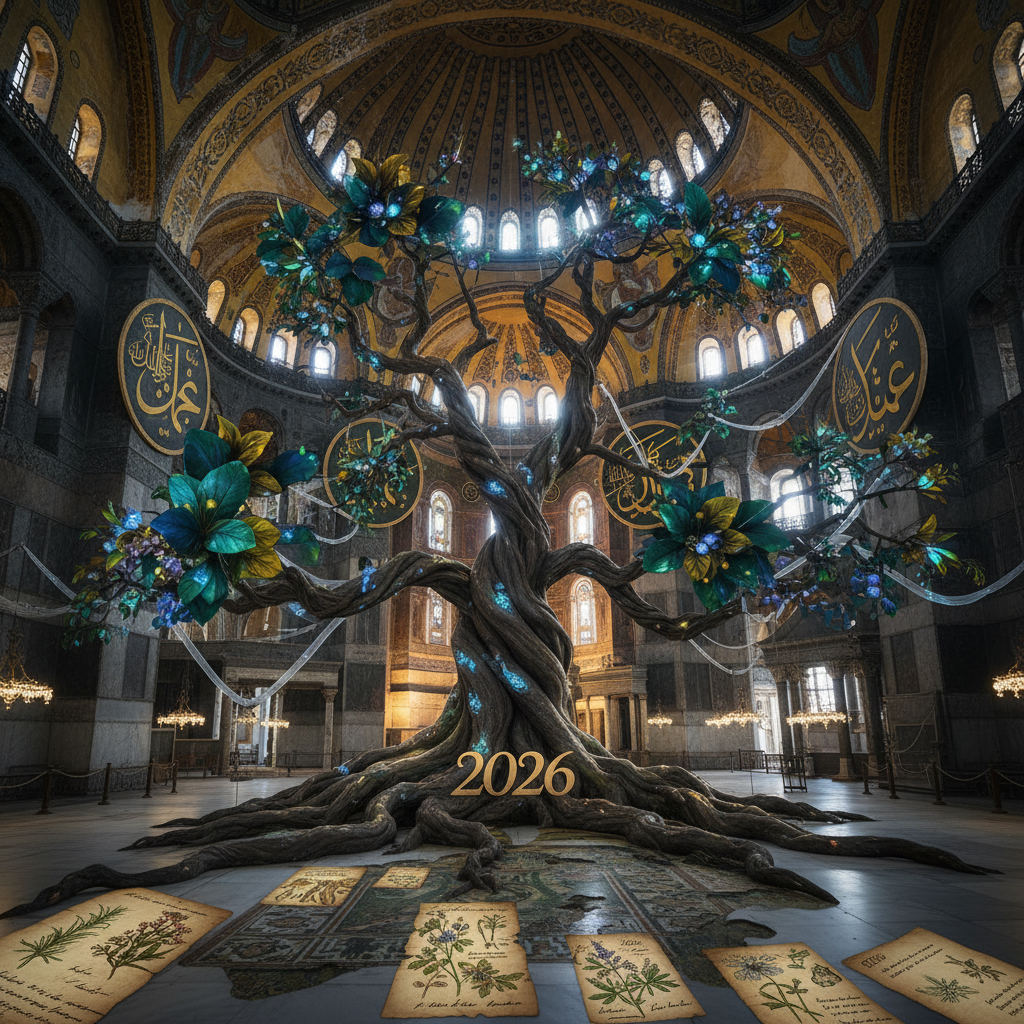
Hagia Sophia Floral Motifs: Botanical Secrets from the Past to 2026
In the heart of Istanbul, where history and aesthetics magnificently converge, Hagia Sophia captivates visitors not only with its architectural grandeur but also with its elegant Hagia Sophia Floral Motifs. In this article, we will thoroughly examine the meanings, symbolism, and historical journey behind the botanical ornamentations integrated into the stones, mosaics, and frescoes of this unique structure, in light of current information as of 2026. Hagia Sophia's botanical heritage reveals how it has reflected the artistic expressions and admiration for nature of different civilizations over centuries.
Origins and Symbolism of Hagia Sophia's Botanical Motifs
The botanical motifs in Hagia Sophia boast a rich history, extending from the initial construction periods of the edifice to the Ottoman Era. These Hagia Sophia Floral Motifs not only served aesthetic purposes but also enriched the religious and cultural fabric of the structure by carrying deep symbolic meanings. Each leaf, flower, or fruit figure establishes strong connections with the belief systems and worldviews of its time.
During the Byzantine period, motifs such as the vine branch, palm tree, pomegranate, and tree of life, which held significant importance in Christian symbolism, were widely used. These figures typically represented paradise, immortality, fertility, and divine grace. Visitors can listen to the silent stories within Hagia Sophia's walls by examining these Hagia Sophia Floral Motifs. For more insights into the hidden narratives within these ancient stones, explore Hagia Sophia's Traveler's Memoir: Hidden Diaries and Personal Stories Uncovered in 2026.
Botanical Figures in Byzantine Art
- Vine Branch and Grape: One of the most powerful motifs in Christianity, symbolizing the blood of Christ and the congregation. Stylized forms of this motif can be found in various parts of Hagia Sophia.
- Palm Tree: Represents victory, resurrection, and paradise. Often seen in Byzantine mosaics and reliefs, sometimes used to emphasize the triumph of martyrs.
- Acanthus Leaf: This strong and stylized leaf motif, inherited from the classical period, symbolizes endurance and perpetual renewal. It is abundant in column capitals and friezes.
- Pomegranate: Associated with fertility, abundance, rebirth, and immortality. It typically appears in interior decorations and mosaic details.
Botanical Touches in the Ottoman Period
Botanical motifs also held an important place in Ottoman architecture and art. With Hagia Sophia's conversion into a mosque, flower motifs such as tulips, carnations, hyacinths, and roses came to the forefront in the added pencil work, tiles, and other embellishments. These Hagia Sophia Floral Motifs symbolized paradise gardens and earthly beauty, while also reflecting the aesthetic understanding of Islamic art.
- Tulip: Carries a mystical meaning due to its resemblance to the letters of the word Allah and was one of the Ottomans' favorite flowers.
- Carnation: Represents divine beauty and the flower of paradise.
- Rose: Considered a symbol of Prophet Muhammad and usually expresses a mystical love.
Architectural Integration of Hagia Sophia's Floral Motifs
The Hagia Sophia Floral Motifs are skillfully integrated into different elements of the structure. Far from being merely decorative elements, they complete the overall aesthetic of the building and enrich the spirit of the space. From the intricate carvings on column capitals to wall mosaics, from frescoes in the domes to later added pencil work, traces of these natural forms can be found everywhere. To understand how these artistic expressions intertwine with the structure's broader history, delve into Hagia Sophia's Traveling Artists: Mysterious Stories Behind Colors and Lines (2026).
These Hagia Sophia Floral Motifs showcase the delicate craftsmanship of the artisans of their time and their artistic talents inspired by nature. Each motif tells a story and reflects the artistic styles of different periods in Hagia Sophia's multifaceted history. The sizes, colors, and compositions of the motifs also varied according to the aesthetic understanding of the era.
Botanical Richness in Mosaics
Botanical elements hold a significant place in the rich details of Hagia Sophia's mosaics. Particularly in the mosaic above the Imperial Gate and in the south gallery mosaics, stylized plant motifs alongside imperial figures are striking. These mosaics combine Christian symbolism and paradise depictions with botanical forms. These motifs, shimmering with gold leaf, give visitors the feeling of transitioning to another dimension.
Sculptural Art in Column Capitals
Hagia Sophia's massive column capitals are adorned with acanthus leaves and other botanical motifs. These sculptural masterpieces bring together classical elements of Roman and Byzantine architecture. The deep carvings and rhythmic arrangements of the capitals add dynamism to the building's interior. Especially the column capitals made at the beginning of the 6th century, during the reign of Emperor Justinian, present the most striking examples of the artistic understanding of the period.
Hagia Sophia Floral Motifs and the Legend of Healing Gardens: Mystical Meanings
Hagia Sophia not only offers a visual feast but is also associated with mystical stories and legends surrounding it. Particularly the legend of the "healing gardens,” believed to have once existed around the structure, demonstrates that the Hagia Sophia Floral Motifs were not merely ornamentation but also a source of deep faith and hope. These ancient beliefs about healing and well-being have echoes in modern thought, highlighting the enduring human quest for remedies. For example, research into the National Center for Complementary and Integrative Health (NCCIH) continuously explores the potential of botanicals in contemporary medicine.
These stories reinforce the perception of Hagia Sophia as a sacred place. According to legend, the plants and flowers grown in these gardens were believed to possess healing powers. This suggests that the botanical motifs, beyond being mere visual details, were a reflection of a quest for spiritual healing and protection. Even in 2026, this mystical atmosphere continues to enhance Hagia Sophia's allure. Discover more about connections between ancient spirituality and healing in Hagia Sophia's Mysterious Facets: Traces of Ancient Medicine and the Pursuit of Healing in 2026.
The Perception of Medicinal Plants in Christianity
In early Christianity and Byzantium, there was a widespread belief in the healing and protective powers of plants. It was believed that plants mentioned in sacred texts and folk tales could cure illness or ward off evil spirits. The organized gardens around Hagia Sophia may have been part of this belief, and there are approaches suggesting that the plants found here were used in religious rituals.
Indeed, medicinal herb gardens were a common practice in medieval monasteries. It is not surprising that a large and important religious structure like Hagia Sophia also had a similar garden tradition. These gardens were used both for medicinal purposes and to reinforce religious symbolism.
The Ottoman Period and the Tradition of "Rose Gardens"
During the Ottoman Empire, the surroundings of Hagia Sophia and the courtyards of other religious buildings were generally greened and planted with flowers. Especially the rose, due to both its aesthetic beauty and religious significance (as a symbol of Prophet Muhammad), was frequently used in Ottoman culture. In the period after Hagia Sophia was converted into a mosque, such "paradise garden" depictions can be found in the arrangements around it.
In Ottoman miniatures and written sources, the meticulous arrangement of mosque courtyards and tomb gardens, and the symbolic meanings carried by the plants within them, are frequently emphasized. The current gardens of Hagia Sophia and the trees around it can be interpreted as contemporary traces of this tradition. The enduring legacy of the rose in culture is wonderfully documented by institutions like the American Rose Society, showcasing its global appeal.
Conservation Efforts for Hagia Sophia Floral Motifs in 2026
Today, the preservation and transmission of Hagia Sophia Floral Motifs to future generations is an important cultural heritage task. As of 2026, detailed inventory studies and restoration projects are ongoing for the botanical ornamentations found in both interior mosaics and frescoes, as well as in stone carvings. With the aid of technology, these delicate works are being digitally recorded and subjected to detailed analyses.
Restoration specialists are meticulously working to minimize the effects of factors such as humidity, light, and human interaction on the botanical motifs. These efforts aim to preserve the historical fabric of Hagia Sophia's botanical heritage and to emphasize its aesthetic value. Visitors, by being mindful of the delicacy of these motifs, can also contribute to the preservation of this unique heritage.
Digital Inventory and Archiving
Thanks to current technologies, the botanical motifs in Hagia Sophia are being digitally transferred using 3D scanning and high-resolution photography methods. These digital archives serve as a valuable resource for scientific research and act as a reference point for detecting any deterioration the motifs may undergo over time. In this way, the original colors and details of the motifs can be preserved.
Environmental Planning and Sustainability
The planning of green areas around Hagia Sophia is also approached with a sustainable perspective that is compatible with the historical fabric of the structure. The planting of plant species that grew in Istanbul during that period or that have a symbolic connection with Hagia Sophia is being considered as much as possible. This offers visitors a historical experience and contributes to the ecological diversity of the region. Such projects are expected to increase in 2026.
In conclusion, the Hagia Sophia Floral Motifs carved into the stones of Hagia Sophia are more than just decorative elements; they represent an artistic heritage imbued with deep symbolic meanings. These motifs have reflected the perspectives of different civilizations on nature, faith, and aesthetics over centuries. Paying attention to these delicate botanical details when visiting Hagia Sophia will allow you to experience the spirit and history of the building from a much richer perspective. In 2026 and beyond, this unique botanical richness will continue to be a source of inspiration for researchers and enthusiasts.