Hagia Sophia's Traveler Garments: From Imperial Wardrobe to 2026's Ethnic Inspirations
Witnessing civilizations for centuries, Hagia Sophia has left deep impressions not only with its architecture but also with the cultural life that developed around it. An important part of the social life shaped around this unique structure is clothing. This article thoroughly examines how clothing evolved from Hagia Sophia's imperial past to influence 2026's ethnic fashion trends.
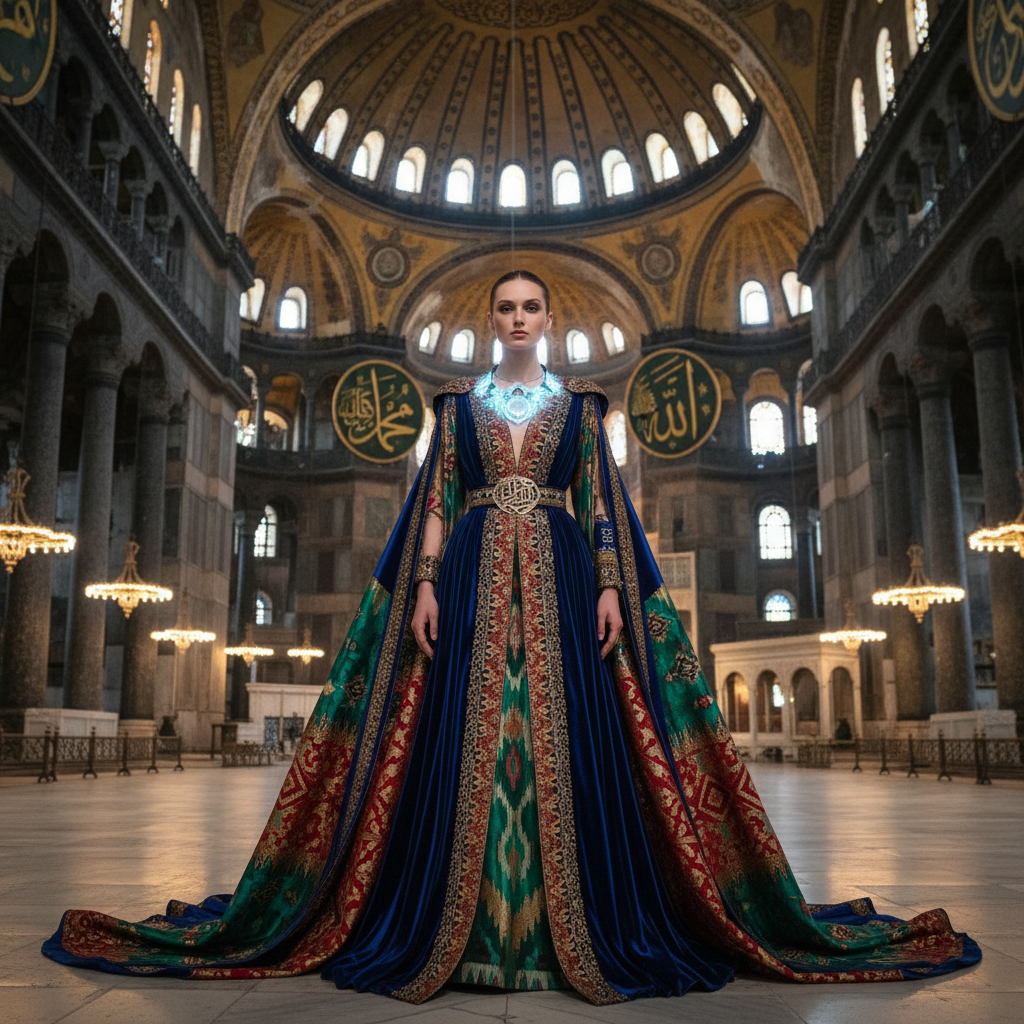
Hagia Sophia's History of Dress and Attire
Witnessing civilizations for centuries, the breathtaking architecture of Hagia Sophia has left deep impressions. Its impact extends beyond stones and mosaics, resonating with the rich cultural life that developed around it. An important aspect of this social tapestry is clothing. In this article, we will thoroughly examine Hagia Sophia's History of Dress and Attire, exploring how its clothing history has evolved. This rich heritage extends from the Byzantine era to the Ottoman Empire and continues to influence modern styles. As of 2026, we will also explore how modern ethnic inspirations, drawn from this historical texture, find their place in the world of fashion.
Imperial Splendor in the Byzantine Empire: Hagia Sophia's Attire
The Byzantine period of Hagia Sophia witnessed one of the most brilliant eras of imperial clothing. Emperors, empresses, and court members wore magnificent garments, clearly reflecting their status and wealth. Significantly, silk, gold embroidery, and precious stones were indispensable elements of clothing during this period. This era truly showcases a fascinating aspect of Hagia Sophia's History of Dress and Attire.
Byzantine attire typically featured long, loose-fitting, and layered pieces. Consequently, colors and patterns were crucial in determining the wearer's social status and rank. For instance, purple was generally reserved for the imperial family, with its use forbidden for other civilians.
Clothing and Attire in the Imperial Palace
- Imperial Attire: Emperors often wore long kaftans and tunics made of purple silk, lavishly adorned with gold embroidery. During ceremonies held in Hagia Sophia, these garments became even more extravagant.
- Empress and Women's Clothing: Women generally favored long, flowing dresses. Furthermore, head coverings and hats were integral to their outfits. Hair accessories, often adorned with precious jewelry and pearls, were very popular.
- Court Members and Bureaucracy: Official attire varied according to their specific status. Generally, combinations of tunics and palliums (a type of shawl worn over the shoulder) were preferred.
Similar to the construction and decoration of Hagia Sophia, clothing culture served as an important indicator, reflecting Byzantium's artistic and cultural richness. Hagia Sophia's History of Dress and Attire from this period undeniably demonstrates the advanced textile art and sophisticated fashion sense of the era. For further insights into the artistic expressions of the period, see our article on Hagia Sophia's Evolving Lights and Shadows.
Hagia Sophia and Changing Clothing Culture in the Ottoman Period
The conquest of Istanbul and the conversion of Hagia Sophia into a mosque brought radical changes. These transformations impacted not only its architectural structure but also the surrounding social life and, consequently, the clothing culture. The Ottoman Empire's unique taste in clothing introduced a different understanding compared to Byzantium. Nevertheless, splendor and wealth remained paramount for the Sultan and the court, further enriching Hagia Sophia's History of Dress and Attire.
In Ottoman period clothing, a layered structure was common, blending Eastern and Western motifs. Moreover, kaftans, shalwars, various head coverings, and sashes were characteristic elements of this period. Especially, silk and velvet fabrics, along with gold and silver embroidery, were frequently used.
Differences in Ottoman Court and Public Clothing
- Sultan and Court Officials: They wore magnificent kaftans, turbans with jeweled aigrettes, and embroidered sashes. Special ceremonial attire was consistently preferred for rituals.
- Civilian Clothing: Among the public, simpler, functional clothing, which varied according to social status, was common. Men generally wore a combination of shalwars, shirts, and jackets, while women used feraces, çarşafs, and head coverings.
- Guilds and Artisans: Interestingly, each professional group had its own specific clothing details. This distinct attire symbolized a person's profession and affiliation.
Hagia Sophia's History of Dress and Attire, even during the Ottoman period, progressed intrinsically linked with the mosque's congregation and the surrounding social structure. The clothing of people attending the mosque for Friday prayers and special occasions offers important information about the fashion and clothing habits of the era.
Hagia Sophia's History of Dress and Attire and Modern Influences (2026)
From past to present, Hagia Sophia's History of Dress and Attire is not merely a chronology but truly a cultural journey. This adventure, extending from Byzantium's elegant silks to the Ottoman Empire's flamboyant kaftans, continues to inspire the world of modern fashion. Especially as of 2026, we observe ethnic inspirations and historical motifs prominently featured in contemporary clothing, directly influenced by Hagia Sophia's History of Dress and Attire.
Designers skillfully create collections inspired by the intricate details found in Hagia Sophia's mosaics, frescoes, or Ottoman miniatures. This approach both honors the past and seamlessly carries it into the future. Traditional Turkish motifs, geometric patterns, and rich color palettes combine with modern cuts to create original and striking pieces. For examples of how ancient inspirations manifest in contemporary designs, you can explore current trends on Vogue.com.
Hagia Sophia Influences in 2026 Fashion Trends
- Ethnic Patterned Fabrics: Patterns from Ottoman kaftans and motifs from Byzantine mosaics are thoughtfully reinterpreted in modern designs.
- Layered Clothing Style: The traditional layered structure is adapted to current trends, creating stylish and functional combinations.
- Interpretation of Traditional Headwear: Traditional headwear, such as turbans and fezzes, transforms into modern accessories, completing stylish looks. Significantly, scarves and foulards are among the important accessories that reflect this historical influence.
- Rise of Natural Fabrics: Natural fabrics like silk, cotton, and wool, frequently used in historical clothing, are also preferred by consumers seeking sustainability and comfort in 2026. A deeper dive into sustainable fashion practices can be found on sites like Fashion Revolution.
The modern fashion industry, deeply inspired by Hagia Sophia's rich history, offers unique products that appeal to both tourists and local people. This truly highlights the lasting impact of Hagia Sophia's clothing culture, a significant part of Hagia Sophia's History of Dress and Attire.
Hagia Sophia Clothing Tips and Cultural Sensitivity for Visitors
Hagia Sophia welcomes visitors as both a museum and a mosque. Therefore, paying attention to appropriate clothing when visiting the venue is of paramount importance for cultural sensitivity and respect. Especially as of 2026, it is necessary to adhere to certain rules due to its status as a mosque.
There are some practical clothing recommendations for visitors to both be comfortable and show respect for the sanctity of the place. This means not only seeing a historical structure but also fully experiencing a cultural journey through Hagia Sophia's History of Dress and Attire. For a comprehensive overview of visiting Hagia Sophia, consult our Hagia Sophia Traveler's Guide 2026.
Things to Consider When Visiting Hagia Sophia
- Modest Clothing: For women, clothing that covers the knees and shoulders should be preferred. Head covering is mandatory for women; it is possible to obtain one at the entrance.
- Men's Clothing: Men are advised to avoid revealing clothing such as shorts or sleeveless t-shirts. Generally, long pants and long-sleeved tops should be preferred.
- Shoe Removal: Shoes must be removed before entering. Special designated areas are available for this purpose.
- Comfort: Comfortable shoes should be chosen for the possibility of long walks and standing. Weather-appropriate, breathable fabrics will provide comfort during extended visits.
These recommendations are vital for respecting Hagia Sophia's historical texture and preserving its characteristic as a place of worship. Understanding Hagia Sophia's History of Dress and Attire ensures that visitors also become a part of this profound cultural heritage.
Interesting Facts and Mystical Stories About Hagia Sophia's History of Dress and Attire
Hagia Sophia's History of Dress and Attire is more than just an aesthetic and functional topic; it also carries mystical and symbolic meanings. In both Byzantine and Ottoman civilizations, clothing was not merely a covering. Instead, garments were elements reflecting a person's faith, status, and even state of mind.
For example, the purple robes of Byzantine emperors symbolized their divine authority and their continuation of the Roman Empire. In the Ottoman period, the motifs on the Sultan's kaftans could carry Sufi meanings or represent the Sultan's achievements and conquests. These garments served as a mirror, reflecting the psychology and philosophy of life of the people of that era.
Legends Related to Hagia Sophia and Attire
- Holy Relics and Robes: Some legends associated with Hagia Sophia include stories believed to be miracles performed through the garments of Christian saints or emperors. The acquisition of "holy relic" status by such garments significantly increased their spiritual value.
- Ottoman Period War Attire: After its conversion into a mosque, it is rumored that some Janissaries and sipahis carried Hagia Sophia miniatures or symbols related to the conquest on their special shields or garments. This narrative shows that clothing was not only a protective item but also a spiritual binder for these warriors.
- Stories Woven by Artisans: It is told that the textile artisans of the period incorporated Hagia Sophia motifs or architectural details into fabrics. This method brought the grandeur of this massive structure into daily life. This confirms that Hagia Sophia is not only a great structure but also a persistent cultural source of inspiration. For more mystical tales, explore Hagia Sophia's Traveler's Delights.
The extensive Hagia Sophia's History of Dress and Attire offers a rich mosaic that meticulously brings together the artistic abilities, technological capabilities, and social values of the period. Even as of 2026, this richness continues to inspire new stories and interpretations, reinforcing Hagia Sophia's enduring legacy.