Hagia Sophia's Mysterious Shadows: Forgotten Rituals from the Depths of Time and New Meanings Through the Lens of 2026
Hagia Sophia, an architectural marvel in Istanbul, holds millennia of deep history within its walls. This sacred structure has hosted diverse religions and beliefs, each leaving traces of forgotten rituals. We delve into these historical practices and examine their newfound meanings and significance from the perspective of 2026.
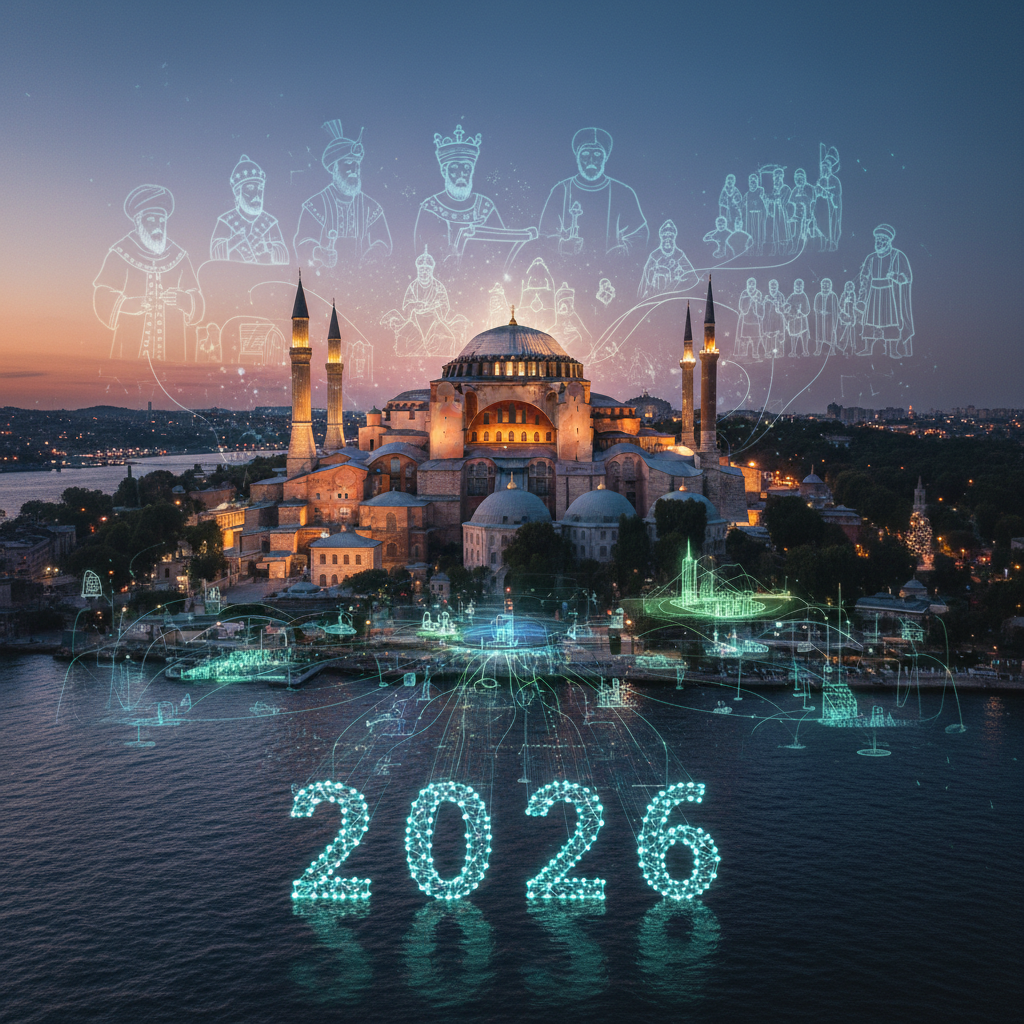
Hagia Sophia Rituals: Ancient Practices and 2026's Spiritual Significance
Standing tall in the heart of Istanbul, Hagia Sophia is much more than an architectural masterpiece; it is a sacred space steeped in millennia of profound history and countless civilizations. Over the centuries, this unique structure has embraced diverse religions and beliefs. Consequently, each era has left its mark with unique Hagia Sophia rituals. As we navigate through 2026, Hagia Sophia's mystical aura and its enduring Hagia Sophia rituals continue to captivate both history enthusiasts and spiritual seekers alike.
Historic Layers and Forgotten Hagia Sophia Rituals
Hagia Sophia's rich history dates back to the 6th century AD. Since its inception, it has served as the Eastern Roman Empire's most central church, a revered mosque during the Ottoman Empire, and later, a museum in the Republican era. Each successive period brought with it distinct forms of worship, ceremonies, and, naturally, various Hagia Sophia rituals.
Byzantine Era Rites and Sacred Secrets
During the Byzantine Empire, Hagia Sophia stood as the epicenter of Orthodox Christianity. Many significant events unfolded within its walls, ranging from imperial coronations and episcopal appointments to daily rites and grand religious holiday celebrations. The rituals of this period encompassed the most magnificent and mystical practices of the Christian faith. Especially during holidays like Easter and Christmas, Hagia Sophia would transform into a radiant, heaven-like sanctuary.
- Divine Liturgy: Foremost among the daily rites, these religious ceremonies commemorated the body and blood of Jesus Christ, symbolized by bread and wine. These were central Hagia Sophia rituals of the era.
- Imperial Ceremonies: Official ceremonies, such as the coronations and oath-taking of emperors, were intrinsically intertwined with religious rituals.
- Veneration of Sacred Relics: Special prayers and rituals honoring the sacred relics housed within Hagia Sophia also held immense importance.
Ottoman Era Worship and Traditions
Following Fatih Sultan Mehmed's conquest of Istanbul in 1453, Hagia Sophia was converted into a mosque. During this era, the structure became home to many different Hagia Sophia rituals central to the Islamic faith, including daily prayers, Friday sermons, and Eid prayers. Adorned with the aesthetic beauty of Ottoman architecture and art, the building saw the addition of minbars and mihrabs.
Furthermore, in the Ottoman period, Hagia Sophia evolved beyond a mere place of worship. It became a vibrant hub for education and social activities. The establishment of madrasas, soup kitchens, and libraries within its complex significantly contributed to the region's cultural and scientific life, all intertwined with the spiritual Hagia Sophia rituals.
Hagia Sophia in 2026: Visitor Experience and New Meanings
In 2026, Hagia Sophia continues to offer its visitors a unique and profound experience. Tourists and history enthusiasts can immerse themselves in this sacred atmosphere, feeling the echoes of Hagia Sophia rituals from centuries past. Today, the structure welcomes visitors as a multi-layered cultural heritage site, seamlessly blending features of both a mosque and a museum.
When planning a visit to Hagia Sophia, certain considerations are paramount. It is crucial to act with respect, observe proper decorum, and behave in a manner appropriate to the structure's profound historical and religious significance. Female visitors are expected to wear headscarves and clothing that covers their shoulders and knees. Similarly, male visitors are advised to avoid attire such as short shorts.
Current Hagia Sophia Visit Procedures
Adhering to current rules is essential when visiting Hagia Sophia. Based on 2026 data, specific regulations govern entry times and visitor flow. Since the mosque section remains active for worship, visitor entry might be restricted during prayer times. Therefore, securing up-to-date information before your visit is highly recommended. For more details on planning your trip, consult a comprehensive Hagia Sophia Traveler's Guide 2026.
- Entrance Fees: An entrance fee applies to foreign tourists, while Turkish citizens can enter for worship without charge.
- Guided Tours: To truly grasp the rich history and mystical narratives of the structure, joining tours led by expert guides is advisable. These tours provide in-depth insights into Hagia Sophia's past Hagia Sophia rituals.
- Photography: While flashless photography is generally permitted inside, visitors must ensure they do not disturb those engaged in worship.
Hagia Sophia's Mystical Energy and Current Perceptions
Hagia Sophia's ancient walls resonate with the energy of thousands of years of prayers, supplications, and rituals. This profound mystical energy is palpable to everyone who steps inside. In certain corners and atop the colossal columns, one can almost sense the whispers of the past. Indeed, in 2026, partly due to the influence of social media, Hagia Sophia visits are increasingly sought by those yearning for a spiritual experience. The Hagia Sophia Traveler's Notebooks offer fascinating glimpses into these intercultural encounters and human stories.
Visitors meticulously examine the mosaics, calligraphic inscriptions, and other intricate artistic details within Hagia Sophia. Through this observation, they strive to comprehend the beliefs that underpinned these works and the Hagia Sophia rituals associated with them. Evoking a bridge between civilizations and religions, this structure stands as one of humanity's most exquisite examples of shared heritage.
The Evolution of Hagia Sophia Rituals Through Time
The continuous transformation of Hagia Sophia from church to mosque and now a site of cultural significance highlights the dynamic nature of its spiritual practices. Understanding these shifts provides a deeper appreciation for the building's resilience and adaptability. Each era introduced new forms of worship and ceremony, enriching the tapestry of Hagia Sophia rituals.
Secrets Awaiting Discovery
Every corner of Hagia Sophia conceals a secret. Details like the structure's remarkable acoustics, the specific way daylight penetrates, and the precise arrangement of its mysterious Pillars, Silent Witnesses to Civilization hold spiritual meaning far beyond mere engineering. Especially, the manner in which light filters through the grand dome held different profound meanings for worshippers during both the Byzantine and Ottoman periods, influencing their Hagia Sophia rituals.
- Bannister Virgin Mary Mosaic: This mosaic, located above Hagia Sophia's western gate, is a rare artistic survivor. It uniquely withstood the iconoclastic periods of the Christian era.
- Wishing Column: Legend claims that this column, featuring a hole, grants wishes to those who place their thumb into it. This has evolved into a popular and enduring Hagia Sophia ritual for centuries.
- Imperial Gate: This gate, formerly used by emperors and high-ranking clerics, served as the majestic starting point for imperial ceremonies.
Hagia Sophia's Cultural Heritage Value and Global Significance
Hagia Sophia's inclusion on the UNESCO World Heritage List underscores its universal value, not just for Turkey but for all humankind. In 2026, preserving this invaluable cultural heritage and ensuring its transmission to future generations remains a paramount concern. More information on UNESCO World Heritage Sites can be found on the official UNESCO website.
One of the structure's critical significances lies in its symbolism as an environment where diverse civilizations and faiths can coexist and respect one another. Through all its past Hagia Sophia rituals, the building conveys a timeless message of tolerance and coexistence to its contemporary visitors and the entire world.
Hagia Sophia's Future and Conservation Efforts
The preservation and meticulous maintenance of Hagia Sophia rank among Istanbul's top cultural heritage priorities. Factors such as high humidity, natural wear and tear, and intense visitor traffic continually impact the structure's delicate balance. For this reason, restoration, conservation, and preservation efforts will continue without interruption throughout 2026 and well into the future. For context and broader discussions on architectural preservation, relevant resources like the International Council on Monuments and Sites (ICOMOS) provide valuable insights.
These ongoing efforts aim to safeguard Hagia Sophia's original texture and artistic values, while simultaneously ensuring that visitors enjoy a safe and enriching experience. Looking ahead, new projects, such as the virtual revival of Hagia Sophia's past Hagia Sophia rituals through virtual reality (VR) and augmented reality (AR) technologies, may also emerge.
Ultimately, Hagia Sophia is far more than mere stone and mortar; it is a living monument to human history, beliefs, and rich cultures. To visit it entails not just seeing a place, but embarking on a profound journey through the depths of time. The mystical atmosphere of this unique structure, the magnificent Hagia Sophia rituals of the past, and its enduring contemporary meaning will continue to welcome visitors, with every corner revealing a different, compelling story.