Hagia Sophia's Traveling Envoys: Its Global Works and 2026 Presence
Hagia Sophia, a timeless marvel in Istanbul, transcends being merely a structure; it's a global heritage asset inspiring countless works and bridging cultures for centuries. In 2026, its profound influence continues to be celebrated, demonstrating its unparalleled architectural and historical significance across the globe.
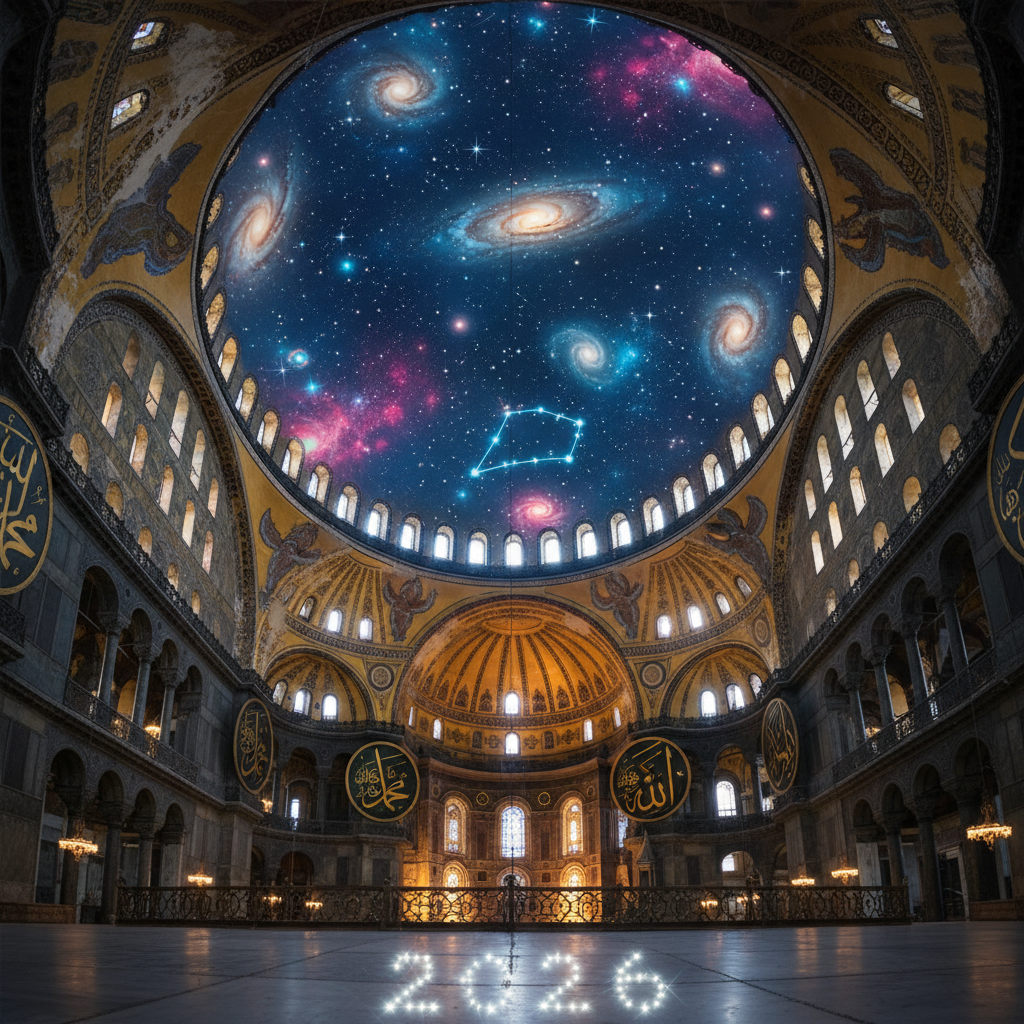
Hagia Sophia's Traveling Envoys: Its Works That Journey the World and Ayasofya Global Miras in 2026
Standing for centuries in the heart of Istanbul, captivating the world with its architecture, history, and spiritual atmosphere, Hagia Sophia is not just a structure; it is a prime example of its Ayasofya global miras value. This unique edifice has inspired countless works, built cultural bridges, and inscribed its name in the annals of world history. Today, in 2026, Hagia Sophia's global influence is deeply felt across a wide spectrum, from its architectural details to its artistic motifs and from its philosophical depth to its cultural exchanges. Therefore, in this article, we will delve into the traces of Hagia Sophia spread across the world, the meaning attributed to it, and the immense value it holds for humanity.
Hagia Sophia's Architectural Impact and Ayasofya Global Miras Perception
Hagia Sophia's architecture is more than just a structural achievement; it is a masterpiece that has shaped many civilizations for centuries. Its grand dome basilica plan, sturdy buttresses, and sophisticated use of light in its interior have inspired numerous religious structures built in later periods. Significantly, Hagia Sophia left deep imprints on Ottoman architecture, playing a pivotal role in the development of the mosque building tradition. Architectural geniuses like Mimar Sinan, for instance, were profoundly influenced by Hagia Sophia's grandeur and paid homage to it in their own works.
Dome Architecture and Its Global Spread
The dome architecture of Hagia Sophia, groundbreaking for its era, represents a magnificent fusion of engineering and aesthetics. This central dome was perceived not merely as a ceiling, but also as a powerful metaphor for a celestial dome. Completed in the 6th century, it long held the title of the world's largest domed structure and became a prominent symbol of the Byzantine Empire's power. Consequently, this technical achievement pioneered the emergence of centrally planned domed mosques in the Islamic world, especially evident in Ottoman-era structures. Many monumental works, such as the Blue Mosque and Süleymaniye Mosque, clearly carry the enduring spirit of Hagia Sophia. For more on its structural marvels, you might explore the Sky Through Hagia Sophia's Mirror.
Mosaics and Artistic Interaction
The mosaics inside Hagia Sophia represent some of the pinnacles of Byzantine art. Created with intricate gold and colored glass pieces, these works feature profound religious depictions alongside figures portraying the imperial family. These mosaics were highly influential in the development of similar techniques and themes in medieval European and Eastern Christian art. Furthermore, some mosaics that were covered when Hagia Sophia served as a mosque during different periods have been meticulously preserved to this day, presenting us with unique examples that blend the artistic heritages of two distinct cultures under one roof. This remarkable situation visually manifests the concept of Ayasofya global miras. Discover more about these intricate designs in Hagia Sophia's Galleries in Motion.
Hagia Sophia's Place in World Cultural Heritage
Included in the UNESCO World Heritage list, Hagia Sophia is among the cultural properties that bear exceptional universal value for humanity. Certainly, this definition emphasizes how important Hagia Sophia is, not only for Turkey or for Istanbul due to its geographical location, but indeed for all of humanity. This structure, which bears the traces of both Christian and Islamic civilizations, stands as one of the rare examples that bring together the artistic and architectural approaches of two great religions. As of 2026, the awareness of this global value is more widespread than ever before.
Intersection of Different Faiths
Hagia Sophia served as a church for over a millennium, then was used as a mosque for nearly five centuries. Later, it gained museum status, opening up to the world's cultural heritage. Finally, in 2020, it was reopened as a mosque for worship. These transformations offer a striking example of how different faiths and cultures have converged within Hagia Sophia throughout history. This makes it not only a place of worship but also a powerful symbol of cultural dialogue and understanding. In fact, the Christian iconography on its walls and the added Islamic calligraphy simultaneously present centuries of accumulated history and artistry. The building's evolving purpose and surrounding structures are further explored in Hagia Sophia's Echoes and Reflections.
- Calligraphy plaques added in different periods
- Byzantine mosaics and frescoes
- Both Western and Eastern influences in architectural elements
- Artistic synthesis of two great religions
Modern World and the Perspective on Hagia Sophia
In the 21st century, especially in 2026, Hagia Sophia's global importance has further increased thanks to digital platforms and rising cultural tourism. Academics, historians, art lovers, and tourists worldwide flock to Istanbul to understand and experience this unique structure. United Nations reports and international cultural organizations continue to call for the preservation of Hagia Sophia and the emphasis on its universal value. Thousands of articles, documentaries, and virtual tours on the internet carry the story of Hagia Sophia to the farthest corners of the world, highlighting its status as Ayasofya global miras. The National Geographic has also extensively covered its history and significance.
Hagia Sophia's Mysterious Stories and Mysticism
Hagia Sophia is not just made of stone and mortar; throughout its hundreds of years of history, it has been home to countless legends, mysterious stories, and mystical narratives. These captivating stories deepen the spiritual atmosphere of the structure and transport visitors to a different dimension. For example, legends such as the "Hagia Sophia's Sweating Column" or "Wishing Column" circulate widely and are considered an indicator of the extraordinary power attributed to Hagia Sophia. This mystical perception profoundly strengthens the spiritual dimension of its identity as an Ayasofya global miras. Explore more about these ancient tales in Hagia Sophia's Mysterious Shadows.
The Sweating Column and Other Legends
A column located in the northern nave of Hagia Sophia, believed to bear a thumbprint, has been known for centuries as a place where wishes come true. It is believed that those who insert their thumb into the hole in the column and rotate their hand 360 degrees will have their wishes granted. The mysterious dampness of this column led to it being called the "sweating column" among the public. Similarly, narratives that some materials used in the construction of Hagia Sophia were brought from sacred places also enhance the mystical atmosphere of the structure. Such legends clearly show that the connection visitors establish with Hagia Sophia extends beyond mere visual appreciation.
Spiritual Atmosphere and Meditation
The unique atmosphere you will feel the moment you step into the structure holds centuries of worship and profound memories. The ethereal light beams filtering through the domes, the massive columns, and the soaring ceilings pull one into deep contemplation. Specifically, Hagia Sophia is a place with such spiritual depth that even people of different faiths find peace and introspection here. This powerful spiritual draw makes it more than just a tourist attraction for people from all over the world; it becomes a spiritual discovery stop. In 2026, visitors to Hagia Sophia continue to have the unique opportunity to experience this mystical journey firsthand.
Visiting Hagia Sophia in 2026: What You Need to Know
Hagia Sophia continues to be one of the most visited historical structures in the world in 2026. However, due to changing visiting rules over the years and increased interest, it is important to have some essential information before your visit. A well-planned visit will allow you to comfortably explore all the details of this unique structure and fully experience its mystical atmosphere. Paying attention to these tips will be highly beneficial to maximize your Ayasofya global miras experience.
Visiting Hours and Entry Rules
Hagia Sophia welcomes millions of local and foreign visitors every year. As of 2026, since it is an active mosque open for worship, general mosque visiting rules must be strictly observed. Visiting hours generally start after the morning prayer and continue until the night prayer. However, visitor entry may be temporarily restricted during prayer times and Friday prayers. Female visitors are required to wear a headscarf, and both male and female visitors are expected to dress in a modest manner that covers their shoulders and knees. Headscarves or skirts may be provided at the entrance for convenience.
Guided Tours and Audio Guides
To fully understand the rich history and intricate architectural details of Hagia Sophia, choosing guided tours or audio guides is highly recommended. These informative guides illuminate the structure's story from the Byzantine period to the Ottoman period, explaining the meanings of the mosaics and the secrets of hidden chambers. Available in many languages such as English, German, French, and Arabic, these services will make your visit more meaningful and highly informative. Indeed, exploring Hagia Sophia with a professional guide is a fantastic way to both gain in-depth historical knowledge and better grasp its profound mystical atmosphere. Consider checking Hagia Sophia's Traveler's Dreams for tips on planning your inspirational journey.
- Professional tour guides enhance understanding
- Multi-language audio guide options offer flexibility
- Special tours and student discounts are often available
- Informative brochures are provided at the entrance
The Future of Hagia Sophia and the Preservation of Global Heritage
Although Hagia Sophia has stood for thousands of years, it is undeniably in need of continuous preservation against the eroding effects of time and human factors. Specifically, the increasing number of visitors requires constant attention regarding issues such as the humidity balance within the structure and the delicate maintenance of the mosaics on the walls. The ongoing restoration works in 2026 are therefore of immense importance for transmitting this unique Ayasofya global miras structure to future generations. International cooperation and the effective use of resources are fundamental to ensuring Hagia Sophia lives on forever.
Restoration and Conservation Works
Restoration works carried out in different periods of Hagia Sophia have played a crucial role in its survival to the present day. In recent years, significant projects have been executed regarding the preservation of Byzantine mosaics on the walls, the strengthening of the structure's bearing systems, and interior arrangements. These works aim to protect both the architectural integrity and the artistic values within Hagia Sophia. The collaboration between the Ministry of Culture and Tourism and international organizations is vital for the success of such extensive projects. Detailed information on its materials and construction can be found in Secrets Beneath Hagia Sophia's Marble.
Hagia Sophia's Global Responsibility
Hagia Sophia is not the property of a single country or culture; it is the common heritage of all humanity. Therefore, there is a global responsibility regarding its preservation and understanding. The status, cultural importance, and future of Hagia Sophia are regularly discussed in various forums and conferences worldwide. In 2026, this global awareness helps Hagia Sophia continue its existence not merely as a tourist attraction, but also as a powerful symbol of cultural diplomacy and inter-civilizational dialogue. Ultimately, Hagia Sophia will continue to shed light on the future with invaluable lessons learned from the past. Learn more about the specific meanings embedded in its design in Hidden Meanings of Hagia Sophia.