Hagia Sophia's Mysterious Touches: A Thousand Years of Secrets in Handprints and Footprints (2026)
As we arrive in 2026, the Hagia Sophia's handprints continue to fascinate, serving as silent witnesses to a millennium of history. This architectural masterpiece is more than just a building; it's a living archive, with countless imprints and symbols adorning its walls and floors, inviting visitors to uncover its profound secrets.
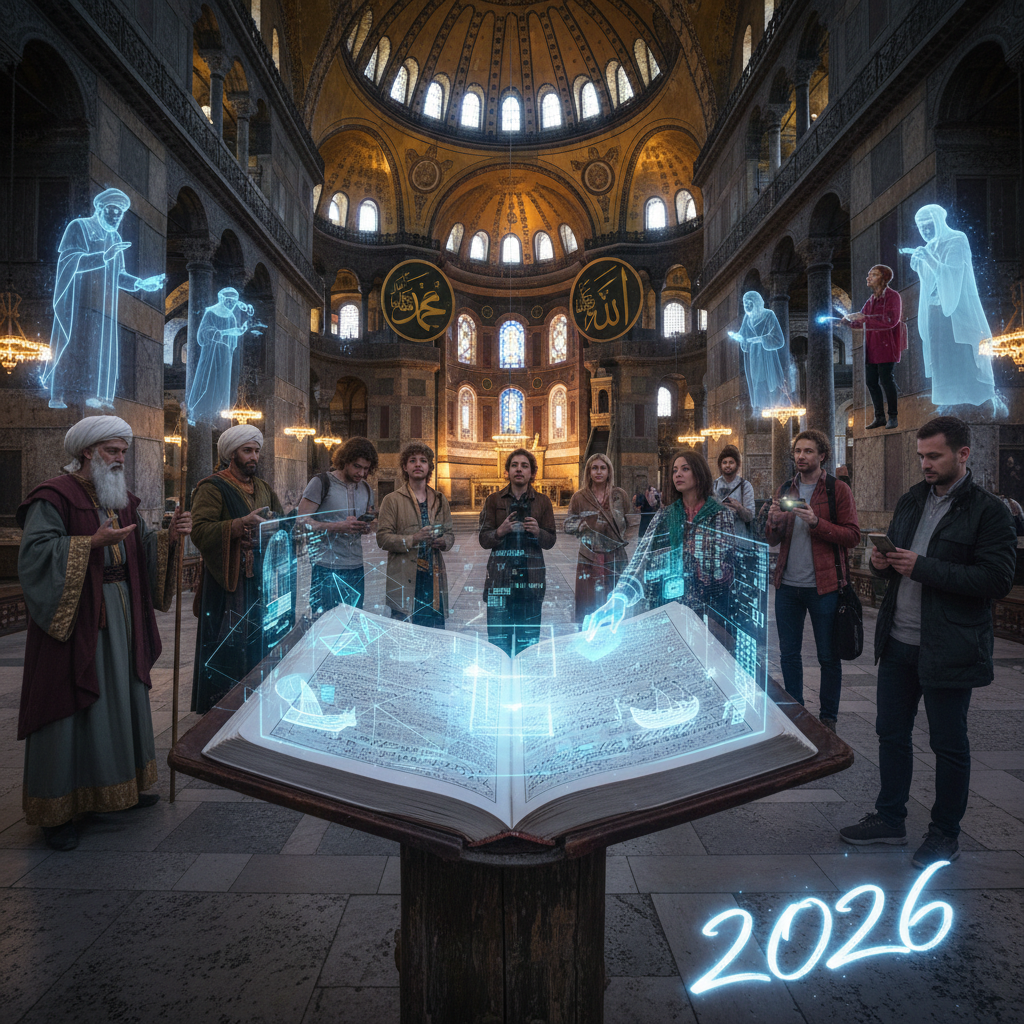
Hagia Sophia Handprints: Unveiling Ancient Touches and Timeless Secrets
As we arrive in 2026, the Hagia Sophia handprints still captivate visitors' curiosity, silent witnesses from beyond time. This fascinating structure is not merely an architectural masterpiece but also a living history book, filled with handprints and symbols spanning thousands of years on its walls and floor. When you step into the mysterious atmosphere of Hagia Sophia, these prints take you deep into the past, to the touches of emperors, priests, and common folk. Each print tells a story, whispers a ritual. For a comprehensive guide to experiencing this wonder, consider our Hagia Sophia Traveler's Guide 2026.
Delve deeper into the architectural evolution of Hagia Sophia to understand the various layers that have contributed to its unique character, including these ancient markings. The enduring presence of Hagia Sophia handprints offers a unique connection to its rich past.
Hagia Sophia Handprints: Tracing History Through Ancient Marks
As you wander inside Hagia Sophia, you will frequently encounter distinct indentations and prints that careful eyes can notice. These prints, beyond ordinary wear and tear, may carry symbolic meanings serving a specific purpose or marking an important event. Historians and researchers have put forth various theories regarding the origins and meanings of these Hagia Sophia handprints.
The most well-known of these prints are fingerprints, particularly found at various points in the structure, which may belong to different periods of civilization. Extending across Roman, Byzantine, and Ottoman eras, these marks are concrete evidence of the building's historical layering. Each period etched its own beliefs, culture, and marks onto Hagia Sophia's stones, leaving an enduring legacy. The mystery of these Hagia Sophia handprints continues to intrigue.
Imperial Rituals and Handprints
During the Byzantine period, it is believed that emperors touched specific points during coronation ceremonies and important rites. These touches carried both a sacred meaning and symbolized imperial power. These rituals, which took place within the magnificent ambiance of Hagia Sophia, have reached us today through the prints on the wall or floor. The presence of these Hagia Sophia handprints offers a tangible link to imperial history.
Especially some prints near the imperial gate are associated with such ceremonies. For a traveler visiting Hagia Sophia, touching these prints offers a mystical experience, almost like participating in rituals from a thousand years ago. These prints are more than just a visual element; they also provide visitors with the opportunity to touch and feel the history embedded in the Hagia Sophia handprints.
Prints of Faith and Prayer
During periods when Hagia Sophia was used both as a church and a mosque, prints formed by worshippers constantly touching specific points are also noteworthy. Especially the wear and tear caused by Christian pilgrims and Muslim worshippers praying in certain places are concrete manifestations of faith and devotion. These Hagia Sophia handprints tell stories of countless prayers.
- Touching icons considered sacred during the Christian period
- Prayers performed while facing the mihrab during the Muslim period
- Points in different areas of the building where listeners or worshippers leaned or touched
These prints show that Hagia Sophia is not just a structure, but also a living place of worship. Each touch has been an expression of a belief, a hope, or gratitude, making the Hagia Sophia handprints truly significant.
Beyond Handprints: Footprints and Other Marks in Hagia Sophia
Not only Hagia Sophia handprints, but also the footprints on the building's floor have been the subject of historians and mystic tales. Especially some indentations and wear on the marble floors are considered, according to legends, to be the footprints of important figures. However, most of these marks are natural wear and tear resulting from millions of people visiting Hagia Sophia over thousands of years. For more on how the building has stood the test of time, explore Hagia Sophia's Mysterious Layers: Centuries of Geological Secrets.
Nevertheless, these marks, beyond being mere abrasions, have become symbols that ignite visitors' imaginations. Some believe these marks represent Hagia Sophia's power and timelessness. It is inevitable to feel yourself swept into the flow of history as you walk on Hagia Sophia's floor, encountering these ancient marks alongside the famous Hagia Sophia handprints.
Legendary Footprints and Mystic Tales
Many legends exist about Hagia Sophia, and many of these legends are connected to the building's mysterious marks. For example, there are popular beliefs that footprints of Jesus Christ or the Virgin Mary are found in certain areas of the building. Such stories reinforce Hagia Sophia's sacred atmosphere and create an additional point of interest for visitors, complementing the intrigue of the Hagia Sophia handprints.
In Ottoman-era sources, there are also narratives about marks left by some saints or scholars in Hagia Sophia. These legends position the building not only as an architectural work but also as a spiritual center. These prints are part of powerful narratives passed down from generation to generation over centuries.
Preserving the Legacy: Hagia Sophia Handprints and Conservation Efforts (2026)
As of 2026, the Hagia Sophia handprints and other historical touches hold great importance, both as part of historical heritage and as a significant tourist attraction. The preservation of these prints and their transmission to future generations plays a critical role in the sustainability of cultural heritage.
Restoration work and conservation projects aim to prevent further damage to these delicate surfaces. Raising visitor awareness and showing respect for the historical texture are also important parts of these conservation efforts. Each passing year, a new abrasion or mark formed on Hagia Sophia's immense structure once again reveals the value of the old marks that carry the wisdom of the past, including the precious Hagia Sophia handprints.
Restoration and Transmission to the Future
Many restoration projects in Hagia Sophia aim to preserve these prints in their original state. By combining modern techniques and historical research, it is understood that these touches are not merely marks but cultural codes. Deciphering these codes means understanding the spirit of Hagia Sophia and the civilizations that shaped it. The careful preservation of Hagia Sophia handprints is paramount.
The preservation of these prints for future generations is essential for fully transmitting the story of Hagia Sophia. In this way, visitors can encounter not only a visual feast but also a tactile and spiritual experience, thus touching the thousands of years of Hagia Sophia's life. For further reading, an article from the National Geographic archives often showcases preservation efforts at global heritage sites like Hagia Sophia.
Tips for Visitors: Discovering Hagia Sophia Handprints and More
When visiting Hagia Sophia, it is important to be careful and aware to discover these mysterious marks. The following tips will help you make the most of your visit and appreciate the Hagia Sophia handprints:
- Pay Attention to Details: Look closely at the walls, columns, and floor. Especially when the light dances, you may see marks you hadn't noticed before, including subtle Hagia Sophia handprints.
- Guided Tours: Tours accompanied by a professional guide can provide in-depth information about the historical and mystical meanings of these marks.
- Photography: Bring your camera to capture these marks. However, avoid using flash, as it can damage the delicate surfaces of the structure.
- Be Respectful: To protect the historical texture and surfaces, be careful and gentle when touching or walking on the marks.
- Do Research: Learning about Hagia Sophia, especially its mysterious marks, before your visit will help you understand the structure more deeply.
Thanks to these tips, you will discover that Hagia Sophia is not just a grand dome and magnificent mosaics, but also full of small yet meaningful details on its walls and floor that whisper thousands of years of stories. Each mark, especially the Hagia Sophia handprints, can offer you a special moment.
Hagia Sophia Legends: The Mystical Power of Ancient Touches (2026)
Even in 2026, the legends and mystic tales surrounding Hagia Sophia continue to keep visitors' imaginations alive. Especially the Hagia Sophia handprints and their mysterious facets are an important part of these legends. According to narratives, some marks came about as a result of holy figures or supernatural events.
These legends position Hagia Sophia not only as an architectural marvel but also as a spiritual power center. These mystic touches differentiate Hagia Sophia from an ordinary tourist destination, transforming it into an almost living, breathing entity. Each mark holds a secret, a legend, and a time period. To understand a broader context of similar ancient practices, you might find this article on Ancient Sacred Spaces insightful.
Sacred Power and Healing Marks
Some legends believe that certain marks in Hagia Sophia have healing power. Especially the column known as the "sweating column" and the marks around it are among the points that visitors touch in search of healing. Such beliefs indicate that Hagia Sophia is not only a historical but also a cultural and religious center. The Hagia Sophia handprints are often associated with these mystical properties.
Visitors who touch these marks continue a tradition that has lasted for centuries. These touches are both an expression of personal faith and part of Hagia Sophia's mystical atmosphere. Hagia Sophia continues its existence as a point of communication beyond languages and cultures.
Whispers from Beyond Time
Amidst the silent walls of Hagia Sophia, these hand and footprints are like whispers from beyond time. They tell of emperors' coronations, priests' prayers, the conqueror's prayers, and the deep faith of the people. Each is a part of Hagia Sophia's rich and layered history. These marks remind us that Hagia Sophia is not just a structure, but also a symbol of humanity's shared memory and faith. The Hagia Sophia handprints are powerful reminders of this enduring legacy.
When you visit Hagia Sophia in 2026, pay attention to these marks. They will whisper to you that this magnificent structure is not just made of stone and mortar, but a living history, shaped by the touches, prayers, and lives of countless people, all connected through the ancient Hagia Sophia handprints.