Hidden Poems of Hagia Sophia: Verses on the Walls and 2026's Literary Whispers
Hagia Sophia, a timeless edifice, transcends its roles as a place of worship and museum, serving as a living literary text. Its stones and columns resonate with centuries of narratives, embodying 'Hagia Sophia literary whispers' that profoundly influence poets across eras. In 2026, the verses etched within this legendary structure continue to inspire and intrigue, blending ancient artistry with modern interpretation. Explore the depth of its poetic legacy.
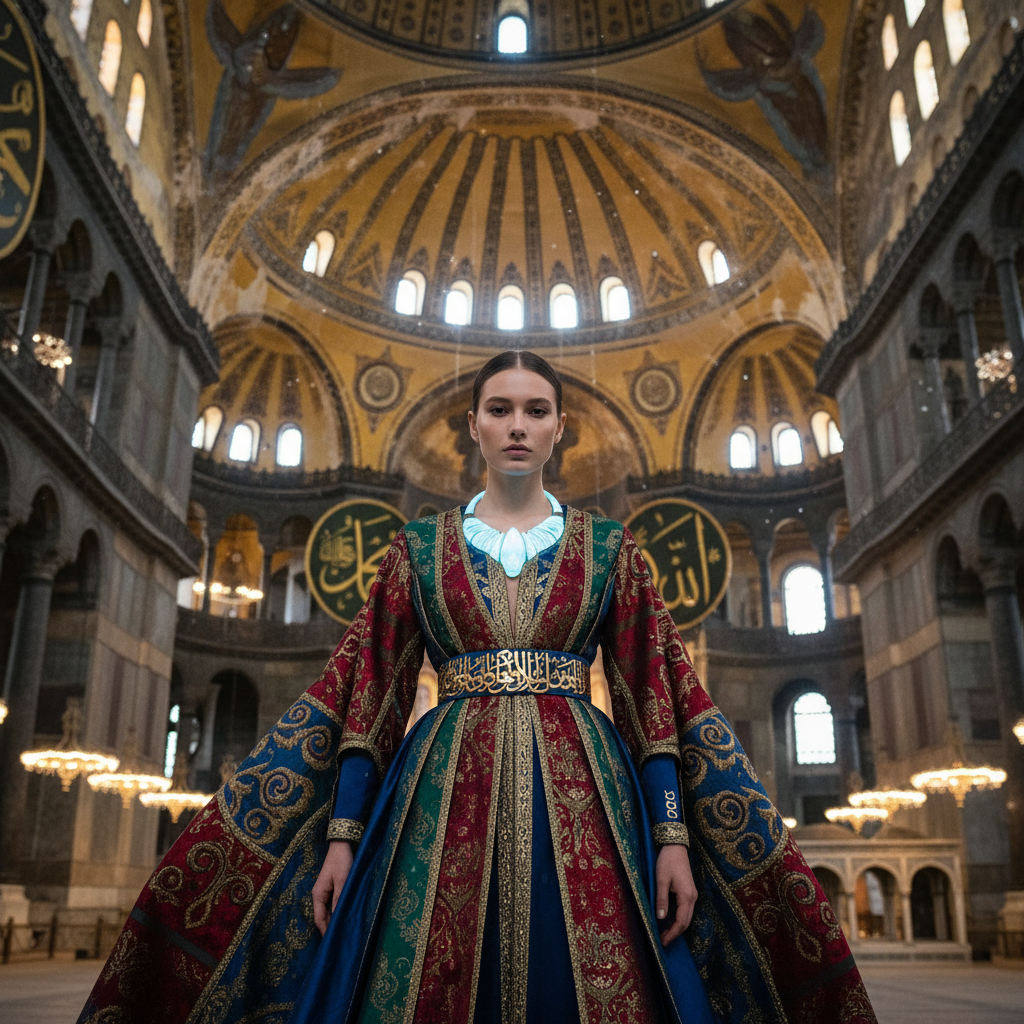
Hagia Sophia's Literary Whispers: Verses, Legends, and Modern Inspirations
Each stone, each column whispering the tales of centuries, Hagia Sophia is more than just a place of worship or a museum; it is a living literary book. The profound Hagia Sophia's Literary Whispers echoing within this unique structure continue to deeply influence both past poets and contemporary writers. As of 2026, the verses hidden within the walls of this legendary edifice and the new literary works inspired by it leave unforgettable impressions on the souls of visitors.
For a deeper dive into its historical significance, you might explore Hagia Sophia's Traveler's Memoir: Hidden Diaries and Personal Stories Uncovered in 2026.
Hagia Sophia's Literary Heritage: Ancient Verses and Modern Echoes
From its foundation to the present day, Hagia Sophia has hosted many civilizations and been a crossroads of different faiths and cultures. This ancient structure has, over time, become a source of inspiration for many poets, writers, and thinkers. Ancient hymns echoing in its walls, the aesthetics of its marble craftsmanship, and the dance of light have nourished the imaginations of every artist. Even in 2026, new generations of writers continue to create modern literary works inspired by the mystical atmosphere of Hagia Sophia, carrying on the tradition of Hagia Sophia's Literary Whispers.
Discover more about the Hidden Hymns of Hagia Sophia: A Thousand-Year Choir and the Spiritual Echoes of 2026 that have inspired countless literary works.
Hagia Sophia in Ancient Poems
Over a broad period extending from the Byzantine era to the Ottoman Empire, Hagia Sophia has been the subject of many poems. Especially after Sultan Mehmed the Conqueror converted Hagia Sophia into a mosque after the conquest, many Divan poets brought this transformation into their verses. These poems emphasize the grandeur, spiritual power, and historical significance of the structure, reflecting the early Hagia Sophia's Literary Whispers.
- Fatih Sultan Mehmet's famous line, "Şehr-i İstanbul ki bi-misl ü behâdır" (The City of Istanbul is peerless and priceless), signifies Hagia Sophia's place at the heart of the city.
- Modern-era poets like Necip Fazıl Kısakürek have also expressed their deep love and admiration for Hagia Sophia in their works.
- Reşat Ekrem Koçu's descriptions of Hagia Sophia in his Istanbul encyclopedia are an important source for understanding the literary significance of the structure.
Literary Reflections of Architectural Aesthetics
Hagia Sophia's architecture is not just an engineering marvel but also an aesthetic masterpiece. This aesthetic has been reflected in the literary works of many artists over centuries. The structure's colossal dome, mosaics, columns, and play of light have enriched poets' imagery. These Hagia Sophia's Literary Whispers truly keep the spirit of the place alive, inspiring new interpretations.
The intricate artistry within Hagia Sophia, such as its Botanical Motifs and Healing Gardens, provides endless inspiration for literary works.
Hagia Sophia's Literary Whispers: Legends and Stories
Hagia Sophia is filled not only with historical facts but also with countless legends and stories passed down through generations. These legends reinforce the mystical atmosphere of the structure, stimulating visitors' imaginations. Whispers echoing in every corner open the doors to the past, contributing to Hagia Sophia's Literary Whispers.
Secret Passages and Hidden Doors
One of the most popular legends associated with Hagia Sophia is the existence of hidden passages and secret doors within it. These passages are believed to have been escape routes used by emperors and clerics in emergencies. Such legends are often used as elements of tension and mystery in literary works, adding to the allure of Hagia Sophia's Literary Whispers.
The Legend of the Weeping Column
Hagia Sophia's Weeping Column is one of the most interesting points for visitors. It is believed that if one inserts their thumb into the hole in this column and makes a wish, it will come true. This legend has inspired literary works exploring themes of hope, faith, and mysticism. Even in 2026, this legend continues to attract tourists, becoming part of the ongoing Hagia Sophia's Literary Whispers.
Hagia Sophia's Place in Modern Literature and 2026 Trends
Hagia Sophia holds an important place not only in old works but also in contemporary literature. Especially in historical fiction novels, poems, and essays, Hagia Sophia appears as a powerful symbol. As of 2026, in the digitalized world, new generation writers are approaching Hagia Sophia from different angles, ensuring Hagia Sophia's Literary Whispers continue to evolve.
Hagia Sophia in Historical Novels
Hagia Sophia, offering a broad historical background from the glory of the Byzantine Empire to the might of the Ottoman Empire, is a perfect setting for historical novels. Writers use this structure to explore intrigues, loves, and wars, transporting readers to the past. The frequently mentioned Hagia Sophia's Literary Whispers in such works add depth to the narrative.
Hagia Sophia in New Poetry Movements
In modern poetry, Hagia Sophia is explored not only as a monument of the past but also with different layers of meaning. It sometimes appears as a monument of silence, sometimes a symbol of resistance, and sometimes a universal place of worship. New poetry movements have been quite successful in creating original works using Hagia Sophia's multifaceted character. Especially in the "digital poetry" movement gaining popularity in 2026, visuals and the historical texture of Hagia Sophia are combined with texts to offer interactive experiences. Learn more about the building's deeper history at Wikipedia's entry on Hagia Sophia, and how it inspires Hagia Sophia's Literary Whispers.
Hagia Sophia in Travel Literature
For travel writers, Hagia Sophia is an indispensable destination. These writers share their personal impressions about the architecture, history, and atmosphere of the structure, offering readers a different perspective on Hagia Sophia. These works are generally filled with literary language and in-depth observations, acting as a guide for visitors. The Hagia Sophia's Literary Whispers form the main theme of these works. For travel inspiration, consider exploring Lonely Planet's guide to Hagia Sophia.
Literary Recommendations for Visitors: Discovering Hagia Sophia with Literary Eyes
When you visit Hagia Sophia, don't just witness a visual feast; also feel the literary spirit of the structure. You can enrich your experience by carrying a poetry book or a novel written about this place, tuning into Hagia Sophia's Literary Whispers.
Recommended Literary Works
- Yahya Kemal Beyatlı: Expresses his love for Istanbul and Hagia Sophia in works like "Bayram Sabahı in Süleymaniye." Exploring Hagia Sophia with his verses will add a different dimension.
- Orhan Pamuk: In his work "Istanbul: Memories and the City," he shares his personal memories and observations about Hagia Sophia.
- Haşim İşcan: Collections like "Hagia Sophia Poems" offer a wide range of poetry dedicated to Hagia Sophia.
- Anonymous Divan Poems: Divan poems from the Fatih period are unique sources for understanding the spirit of Hagia Sophia at that time.
Literary Workshops and Events in Hagia Sophia
In 2026, cultural centers and non-governmental organizations around Hagia Sophia are organizing Hagia Sophia-themed literary workshops and events. These events allow both locals and tourists to explore the literary aspect of Hagia Sophia more deeply. Especially for young writers, opportunities are offered to create works in the inspiring atmosphere of Hagia Sophia. Such events play an important role in transmitting the Hagia Sophia's Literary Whispers to new generations.
Hagia Sophia's Future Literary Traces and 2026 Expectations
Hagia Sophia will continue to inspire artists in the future, just as it has for centuries. The transformations, renovations, and literary whispers of the structure will find their place in the works of new generation writers. For 2026 and beyond, Hagia Sophia's place in global literature is expected to strengthen further. Especially projects where the Hagia Sophia experience is combined with literary narratives through virtual reality and augmented reality technologies will become more common in the future, ensuring Hagia Sophia's Literary Whispers resonate globally.
Hagia Sophia in Digital Literature
Digital platforms enable Hagia Sophia's Literary Whispers to reach wider audiences. Interactive stories, poems read during virtual tours, and digital exhibitions offer visitors the Hagia Sophia experience in a different dimension. Among the 2026 trends, applications presenting texts written about Hagia Sophia integrated with the structure's 3D models are very popular. You can explore a virtual tour and its literary connections at the Google Street View of Hagia Sophia.
Hagia Sophia's Place in Global Literature
Hagia Sophia is an important symbol not only for Turkish literature but also for world literature. Its historical and architectural significance makes it a universal theme. In the future, Hagia Sophia is expected to feature more prominently in works written in different languages, and writers from different cultures are expected to draw inspiration from this structure to create their unique Hagia Sophia's Literary Whispers. This will solidify Hagia Sophia's position as a global source of inspiration.