Hidden Hymns of Hagia Sophia: A Thousand-Year Choir and the Spiritual Echoes of 2026
Hagia Sophia, a monumental edifice in Istanbul, transcends architectural grandeur to embody a profound spiritual heritage. This sacred site has been a silent witness to millennia of history, preserving the legacies of diverse civilizations. Delve into the captivating stories woven within its walls, particularly focusing on the ancient Hagia Sophia hymns and their enduring spiritual resonance, which continues to inspire in 2026.
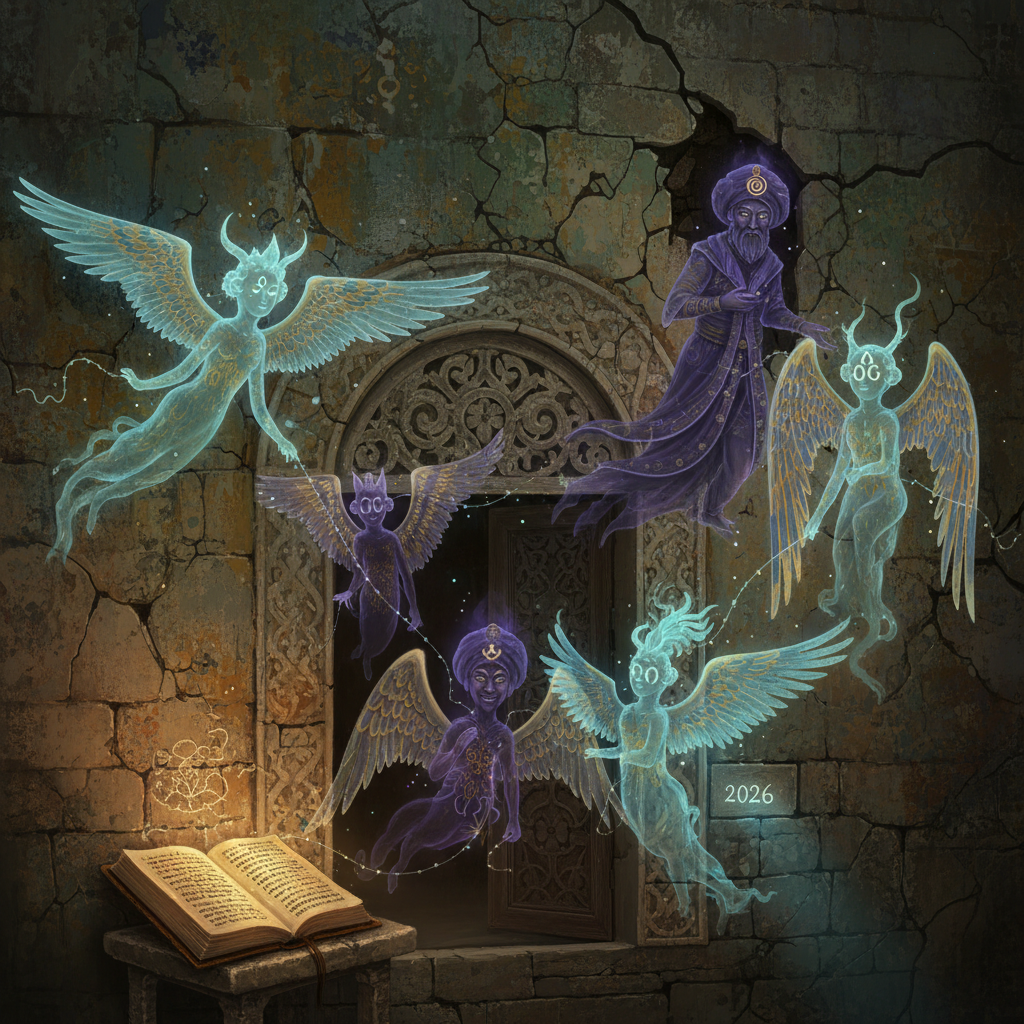
Hagia Sophia Hymns: A Thousand-Year-Old Chorus and Spiritual Echoes
Rising amidst the whispers of history in the heart of Istanbul, Hagia Sophia is not merely an architectural marvel but also a bearer of a profound spiritual legacy. This sacred space has witnessed countless events over centuries, carrying the traces of different civilizations and hiding captivating stories in every corner. Especially the Hagia Sophia hymns are a significant element that complements the mystical atmosphere of this unique structure, deeply affecting souls. As we arrive in 2026, the spiritual echoes of those ancient Hagia Sophia hymns reverberating from the ceilings of Hagia Sophia transport visitors to an entirely different realm.
The Depths of Hagia Sophia's History and Its Encounter with Hymns
The history of Hagia Sophia dates back to the 6th century AD. Built as the grandest basilica of Christianity by Byzantine Emperor Justinian, it maintained this status for 916 years. With Sultan Mehmed the Conqueror's conquest of Istanbul, Hagia Sophia was converted into a mosque, becoming one of the most significant places of worship in Islamic civilization. These transformations affected everything from its architectural and artistic elements to its music and hymns.
Byzantine Era Hymns and Choral Culture
During the Byzantine period, Hagia Sophia was one of the most important centers of Orthodox Christianity. The hymns performed during this era constituted some of the most beautiful examples of Byzantine music. Grand choirs, specially trained hymn readers within the Patriarchate, and ceremonies attended by the imperial family would enchant listeners when combined with the acoustics of Hagia Sophia. Even in 2026, many hymn researchers are attempting to decipher the notes of that period.
Ottoman Era Takbirs and Mevlid Tradition
With Hagia Sophia's conversion into a mosque, the sound of bells was replaced by the call to prayer (ezan) and takbirs. During this period, the ezan rising from Hagia Sophia's minarets became one of the most important symbols of the Islamic world. Especially on special nights such as Mawlid al-Nabi, the mawlids, qasidas, and hymns recited would bring thousands of people together in the spiritual atmosphere of Hagia Sophia. The cultural bond of the Ottomans with these hymns was very strong.
The Acoustics of Hagia Sophia: A Perfect Stage for Spiritual Hymns
The architecture of Hagia Sophia stands out not only for its captivating aesthetics but also for its extraordinary acoustics. The resonance created by its dome and vast interior space allows sounds to propagate uniquely. This feature provided an ideal environment for both choral performances during the Byzantine era and the ezan and Hagia Sophia hymns during the Ottoman period.
The Secret of the Dome and the Echo of Sound
Hagia Sophia's massive dome, besides being an engineering marvel, also plays a key role in sound distribution. The special stones used in its architecture and the curves of the inner surface ensure that sound waves resonate in a specific order and spread homogeneously throughout the entire space. Thanks to this acoustic arrangement, the recited Hagia Sophia hymns can be heard clearly even from the farthest corners.
The Whisper of Marbles: History's Contribution to Sound
The marbles, mosaics, and frescoes used in Hagia Sophia's interior decoration not only offer a visual feast but also affect the balance of sound absorption and reflection. These materials prevent excessive reverberation of sound, helping music and hymns to be perceived more clearly and richly. Even in 2026, enjoying this unique acoustic experience is priceless. For more insights into its structural brilliance, explore Hagia Sophia's Architectural Evolution.
Reflections of an Ancient Tradition in the Present Day: Modern Hagia Sophia Hymns
With the reopening of Hagia Sophia for worship in 2020, ezans and Hagia Sophia hymns once again began to rise within. This situation is one of the strongest reflections of a centuries-old spiritual tradition in the present day. Visitors can feel themselves in a different time dimension along with the voices of those worshipping in this historical place.
Worship and Spiritual Music in Hagia Sophia
The prayers performed and the Qur'an recited in Hagia Sophia further strengthen the spiritual atmosphere of the place. Especially during Friday prayers and special religious days, Qur'an recitations and hymns reverberating in Hagia Sophia's unique acoustics offer visitors an unforgettable experience. Supported by modern technology, sound systems deliver this great heritage of history to listeners in the best possible way even today. Hagia Sophia hymns create special moments where past and present blend.
Cultural Events and the Mevlid Tradition in 2026
Today, Hagia Sophia functions as both a place of worship and an important cultural center. Especially during religious holidays and special nights, within the scope of cultural events, traditional mawlid and hymn groups perform special renditions in Hagia Sophia. As of 2026, such events have further diversified, continuing to attract the interest of local and foreign tourists. These events are an important part of preserving Hagia Sophia's spiritual music.
Hagia Sophia Hymns: History and Mysticism for Tourists
Hagia Sophia, welcoming millions of tourists every year, is one of the most important cultural heritages of the world. Visitors are impressed not only by the architectural grandeur of this massive structure but also by the mystical atmosphere within. An important part of this mystical atmosphere is undoubtedly the Hagia Sophia hymns.
The Hagia Sophia Experience from a Tourist's Perspective
When you step into Hagia Sophia as a tourist, the first thing that greets you is the colossal size of the structure. However, shortly after, you begin to feel the whispers of history enshrined in its walls and a spiritual atmosphere hanging in the air. Sometimes a distant call to prayer, sometimes a hymn recited inside, elevates this mystical experience to its peak. These sounds, beyond a cultural journey, also provide a spiritual interaction. Especially in 2026, with the influence of social media, these sound experiences have gained even more importance. To plan your visit, check out the official Turkish tourism guide for Hagia Sophia.
Hidden Messages and Spiritual Meaning
The Hagia Sophia hymns composed or recited throughout history often carry deep religious messages. These hymns, besides being a consolation and a source of inspiration for believers, also serve as a bridge conveying universal spiritual values for visitors from different cultures. The walls of Hagia Sophia have preserved every note of these hymns for hundreds of years.
Hagia Sophia and the Future of its Hymnic Heritage in 2026
Hagia Sophia is a unique structure that bridges the past and the future. In 2026, the hymn-related heritage of this sacred place is being both protected and transmitted to future generations. Hagia Sophia's spiritual music will continue its journey as a timeless entity.
Hagia Sophia Hymns in Digital Media
Today's technology offers the opportunity to bring Hagia Sophia's historical and cultural heritage to wider audiences. Live hymn recordings from Hagia Sophia, documentaries, and virtual tours published on various platforms allow even those who cannot physically visit to experience this unique wonder. In 2026, it has become possible to experience Hagia Sophia's acoustics with AI-powered virtual reality applications. For a deeper dive into the technological preservation of cultural heritage, you might find UNESCO's work on digital heritage insightful.
Preservation and Sustainability of Cultural Heritage
The preservation of Hagia Sophia's cultural and spiritual heritage is a shared responsibility of the international community. The maintenance of the structure, the restoration of its mosaics, and the preservation of its acoustic structure will ensure that Hagia Sophia hymns continue to rise from Hagia Sophia in the future, as they have for thousands of years. These efforts guarantee that Hagia Sophia remains not just a structure, but a living spiritual center. Learn more about the dedicated individuals who uphold this legacy in Hagia Sophia's Enigmatic Guardians.