Hagia Sophia's Logbook: Tracing Historic Journeys and Modern Discoveries (2026)
Rising in the heart of Istanbul as an architectural marvel defying time, Hagia Sophia has inspired humanity for centuries. Every corner, every wall, every mosaic of this ancient structure is filled with countless stories waiting to be told. This 2026 'Hagia Sophia logbook' offers a comprehensive guide, delving into the depths of this unique structure.
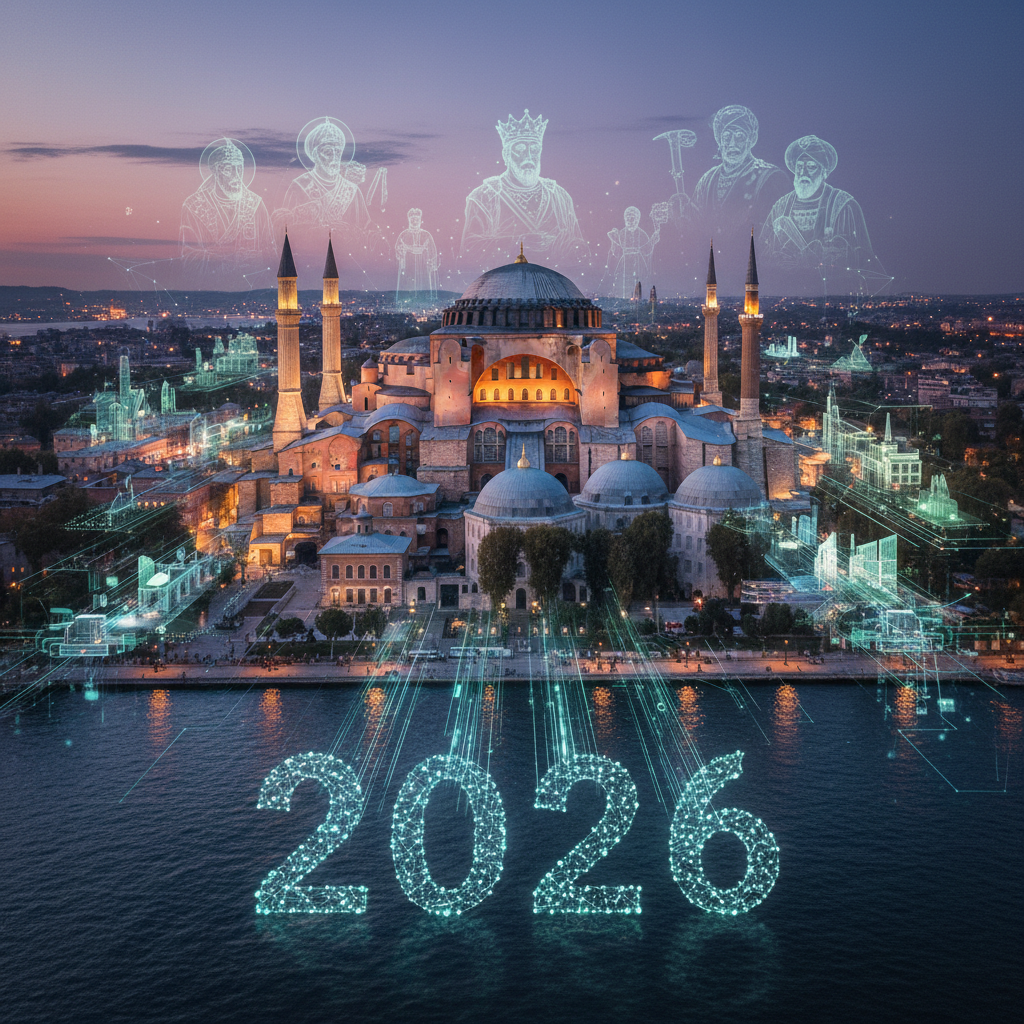
Hagia Sophia Logbook: Tracing Historical Journeys and Modern Discoveries (2026)
Rising in the heart of Istanbul as an architectural marvel defying time, Hagia Sophia has inspired humanity for centuries. Every corner, every wall, every mosaic of this ancient structure is filled with countless stories waiting to be told. This is precisely why we, as the Hagia Sophia Logbook, have prepared a comprehensive guide that delves into the depths of this unique structure, offering visitors both a mystical and historical journey. As of 2026, you will find hidden information, legends, and architectural details that every tourist and history enthusiast planning to visit Hagia Sophia must explore in this Hagia Sophia Logbook.
Hagia Sophia Logbook: From Mysterious Beginnings to Today
The history of Hagia Sophia is far more than just an ordinary building; it is a crossroads of civilizations and faiths. Its architecture reflects the most advanced technologies of its time, and it has personally experienced religious and cultural transformations. This section discusses in detail the epic journey of Hagia Sophia from its initial construction to the present day, as documented in the Hagia Sophia Logbook.
First Construction: Theodosius the Great and the Fires
Although the foundations of Hagia Sophia were laid during the reign of Emperor Constantius II in 360 AD, its truly magnificent beginning was with the basilica during the time of Theodosius the Great. However, this structure was destroyed by fire as a result of an uprising in the 5th century. While history often points to a more glorious rise after such destructions, for Hagia Sophia, this was to be a continuous cycle. These early events are crucial entries in the Hagia Sophia Logbook.
Justinianic Period and Rebirth
After being reduced to ruins following the Nika Revolt, the church was reconstructed into its present form between 532 and 537 AD under the order of Emperor Justinian. This third structure, built with the genius of architects Anthemius and Isidore, achieved a revolutionary triumph in architectural history. Its dome was an extraordinary engineering marvel for its time and continues to captivate many people. The mosaics on the walls from this period hold a unique place in Hagia Sophia's Traveler's Notebooks, and are extensively covered in the Hagia Sophia Logbook.
Ottoman Legacy and the Mosque Period
With the conquest of Istanbul by Fatih Sultan Mehmet in 1453, Hagia Sophia was converted into a mosque. This conversion made significant contributions to the structure's architecture and interior decorations. Minarets were added, mihrabs and minbars were built, and the dome and walls were adorned with Islamic calligraphy. This period constitutes one of the most important parts of Hagia Sophia's multifaceted identity. These additions during the Ottoman period dramatically changed Hagia Sophia's general silhouette, giving it the characteristic of being a bridge between East and West. For deeper insights into its evolution, explore Hagia Sophia: A Monument of Political and Social Transformations Throughout the Ages (2026), and find detailed accounts in the Hagia Sophia Logbook.
Architectural Wonders and Hidden Details in the Hagia Sophia Logbook
Hagia Sophia is a structure that inspires admiration not only with its size but also with its engineering prowess and aesthetic details. Each carefully crafted stone, play of light, and symbolic detail offers visitors a unique experience. In this section, we will explore Hagia Sophia's architectural secrets and striking features, as documented in the Hagia Sophia Logbook.
The Secret of the Dome and the Play of Light
Hagia Sophia's most striking feature is its enormous dome, which is 55.6 meters high and 31.87 meters in diameter. This dome is, in fact, an engineering miracle. The light filtering through its 40 windows makes the dome appear to float in the air. These plays of light further enhance the structure's mystical atmosphere. The interplay of light and shadow created within the interior at different angles of the sun leaves an unforgettable impression on visitors. This architectural marvel is a key highlight in the Hagia Sophia Logbook.
Mosaics and Frescoes: Living Witnesses of History
Hagia Sophia's walls are adorned with priceless mosaics and frescoes remaining from the most brilliant periods of the Byzantine Empire. These works depict important figures in Christian history, emperors, and religious scenes. Unfortunately, although some were covered with plaster during its conversion into a mosque, many have been brought to light again through restorations. Works such as the Deesis mosaic, the Komnenos mosaics, and the depiction of John the Baptist are must-sees. Each mosaic reveals the artistic understanding and belief of an era. These mosaics are an individual art gallery within the Hagia Sophia Logbook. Delve into the artistic brilliance with Hagia Sophia: Lost Treasures and Rediscovered Artistic Geniuses (2026).
Sultan's Lodge and Mimar Sinan's Touches
The Sultan's Lodge, added to Hagia Sophia during the Ottoman period, is a special area where Fatih Sultan Mehmet and subsequent sultans performed their prayers. Additionally, Mimar Sinan's restorations and buttresses to increase Hagia Sophia's structural integrity played a key role in the structure's survival to this day. Sinan's ingenious solutions increased the building's resistance to earthquakes and made a unique contribution to its architectural heritage. These additions strengthened both the aesthetics and the stability of the structure. Discover more about the architectural minds behind this marvel in Hagia Sophia's Legendary Masters: Geniuses and Hidden Artisans Behind the Millennium-Old Structure (2026), all part of the extensive records in the Hagia Sophia Logbook.
Hidden Secrets and Legends in the Hagia Sophia Logbook
Hagia Sophia is not just a tangible structure but also a treasure trove of legends and mysteries passed down through centuries. In this section, you will delve into the mystical stories and legends hidden within the depths of Hagia Sophia, gaining information that will make your visit more meaningful, as revealed in the Hagia Sophia Logbook.
The Weeping Column and Wishes
At the entrance of Hagia Sophia, there is a column known as the "weeping column" due to a hole carved into it. According to legend, if you insert your thumb into the hole of this column and turn it a full circle, your wish will come true. Additionally, the constant dampness of the column's hole fuels beliefs that it is a source of holy water. This column is one of the most popular spots for visitors, and hundreds of wishes are made here every day, a fascinating entry in the Hagia Sophia Logbook.
The Sweating Stone and its Miraculous Power
It is believed that some of Hagia Sophia's stones "sweat." There are widespread popular beliefs that this sweating, particularly, remedies the troubles of worshipers. Such legends have caused Hagia Sophia to be perceived not only as a place of worship but also as a sacred source of healing. Visitors hope to find healing by touching these stones, stories often recounted in the Hagia Sophia Logbook.
Holy Relics and Hidden Treasures
It is rumored that Hagia Sophia housed many holy relics in the past. Although some of these relics have been lost or moved to other places over time, it is still believed that there are secrets waiting to be discovered in the structure's depths. These mysteries have kept interest in Hagia Sophia alive in every period. These stories are priceless values etched into the pages of the Hagia Sophia Logbook.
Visiting Hagia Sophia in 2026: A Guide from the Hagia Sophia Logbook
Hagia Sophia's visitor experience in 2026 may differ in some ways from previous years. Having up-to-date information on guided tours, ticketing applications, and internal arrangements will make your visit more efficient. This section provides practical tips and current information for a perfect Hagia Sophia visit, drawing insights from the Hagia Sophia Logbook.
Entrance Fees and Visiting Hours
Hagia Sophia's current entrance fees and visiting hours are subject to rules specifically set for 2026. It is important to check the official museum website or obtain information from reliable sources before your visit. Generally, early mornings and late afternoons are the best times to avoid crowds and have a calmer experience. Early hours are also ideal for taking photos, as noted in the Hagia Sophia Logbook.
Guided Tours and Audio Guide Options
To fully understand a historical and mystical structure like Hagia Sophia, it is highly recommended to take advantage of guided tours or audio guide services. Professional guides will help you get to know the secrets of the structure, its architectural details, and its legends more closely. These services, offered in different languages, allow you to explore Hagia Sophia's rich history and cultural heritage in greater depth. The Hagia Sophia Logbook gains meaning with the best guides. Consider looking into options like those offered via GetYourGuide's Hagia Sophia tours for a comprehensive experience.
Interior Rules and Dress Code
As Hagia Sophia is still an active place of worship, visitors are required to follow certain rules. Ladies are requested to wear headscarves (which can be provided at the entrance) and everyone should wear appropriate clothing (garments that cover shoulders and knees). Furthermore, it is important to respect the sacred atmosphere of the building by refraining from speaking loudly and running inside. While photography and videography are generally allowed, flash photography should be used carefully, and there may be restrictions in certain areas. Adhering to these rules ensures a more pleasant experience for everyone, as outlined in the Hagia Sophia Logbook.
Hagia Sophia Logbook and Future Generations
Hagia Sophia is not only a legacy of the past but also a valuable cultural asset that must be passed on to future generations. Restoration efforts and conservation projects are of great importance for the continued existence of this unique masterpiece. All these ongoing efforts as of 2026 aim to preserve the splendor of Hagia Sophia, a continuous narrative in the Hagia Sophia Logbook.
Ongoing Restoration Work
Defying centuries, Hagia Sophia requires continuous maintenance and restoration. Expert teams meticulously work to preserve the structure's mosaics, frescoes, and general structure. These works both preserve Hagia Sophia's historical texture and offer visitors a safer environment. It is important for visitors to respect these works and not enter designated areas. Every restoration marks a new entry for the Hagia Sophia Logbook. Learn more about the intricacies of preserving such a site through resources like UNESCO's World Heritage Centre.
Digitalization and Virtual Tours
Digital platforms play an important role for those who cannot physically visit Hagia Sophia or wish to explore it more deeply. Thanks to high-resolution virtual tours, 3D models, and interactive applications, it is possible to experience the details of Hagia Sophia from anywhere in the world. This digitalization process makes the structure's cultural heritage accessible to wider audiences, ensuring that future generations also benefit from this unique masterpiece. Technological advancements in 2026 will further enrich these virtual experiences, adding new chapters to the Hagia Sophia Logbook.
The Hagia Sophia Logbook is not just a collection of notes about a single structure; it is also a reflection of humanity's shared memory and cultural diversity. This ancient structure offers every visitor an opportunity to look from a different window and get lost in the depths of history. We hope this guide shows you the way for an unforgettable experience, perhaps even influencing your Hagia Sophia's Traveler's Dreams: Visions from the Past and Inspirations for 2026.