Secrets Beneath Hagia Sophia's Marble: A Journey from Ancient Quarries to Eternity (2026)
Rising in the heart of Istanbul as a monument defying time, Hagia Sophia is captivating not only with its architecture but also with the secrets of Hagia Sophia's marble it holds. In every corner of this colossal structure, stories dating back thousands of years and inspiring craftsmanship are hidden. The marbles of Hagia Sophia whisper the power...
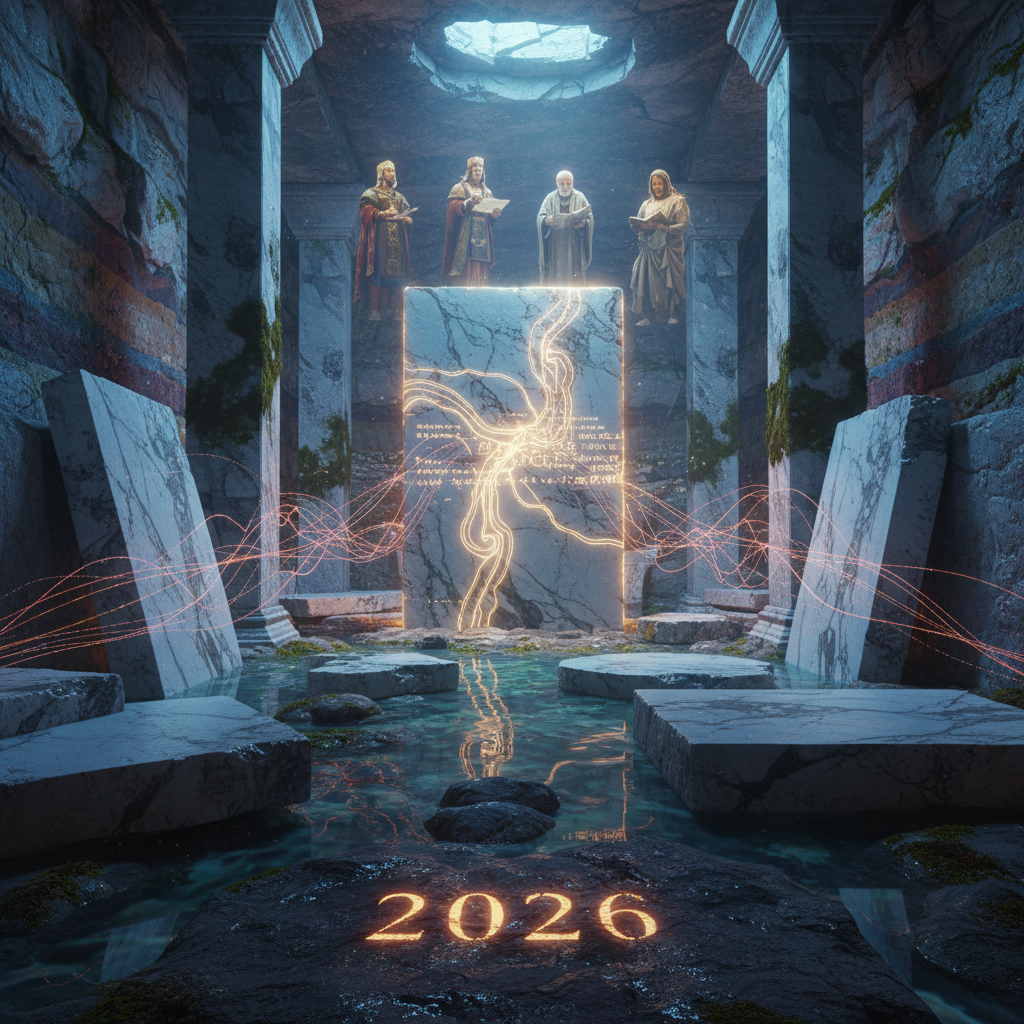
Hagia Sophia's Marble Secrets
Rising in the heart of Istanbul as a monument defying time, Hagia Sophia is captivating not only with its architecture, but also with the profound Hagia Sophia's Marble Secrets it holds. Indeed, in every corner of this colossal structure, stories dating back thousands of years and inspiring craftsmanship are hidden. Therefore, the marbles of Hagia Sophia whisper the power of empires, the delicacy of art, and humanity's history intertwined with faith.
Hagia Sophia's Marble Secrets: A Symphony of Colors and Textures
Everyone who visits Hagia Sophia is struck by the richness and splendor of its interior. Specifically, a significant part of this grandeur comes from the marbles of various colors and patterns that adorn every corner of the structure. These marbles are more than just aesthetic elements; each one is a meticulously selected and processed stone brought from its own geographical region.
The sources of the marbles point to the vast trade networks of the ancient world and the might of the Byzantine Empire. Clearly, these stones, brought from all corners of the Roman Empire, and even from more distant lands, emphasize Hagia Sophia's universal identity. For an overview of how Hagia Sophia’s identity resonates globally, see our article on Hagia Sophia's Galleries in Motion: An Artistic Journey Through Details, From Past to 2026.
Mysterious Sources from Ancient Quarries
The main sources of Hagia Sophia's marbles have been the most important marble quarries of the era. Among them are:
- Proconnesian Marble (Marmara Island): With its white and gray veined structure, it was extensively used in Hagia Sophia's main load-bearing elements and coverings. Its ease of processing and aesthetic appearance made this marble highly valuable.
- Afyon Marble (Synnada): This marble, notable for its pink and purple tones, provided an aesthetic accent, especially in imperial gates and important locations. Its rich color palette adds warmth to Hagia Sophia's interior.
- Thessalian Marble (Verde Antico): Known for its vibrant green color, this marble was typically used in columns and large panels. Due to its rarity and striking color, it was considered a prestigious material.
- Egyptian Granite (Porphyry): Seen as an imperial symbol with its dark red and purple tones, porphyry was used especially in the imperial throne and important mosaic frames. Its extreme hardness increased the difficulty of its processing and its value.
These diverse marble types not only added visual richness to Hagia Sophia but also served as indicators of the geographical and commercial power of the period. Indeed, each piece of marble is a testament to a journey of thousands of kilometers and the meticulous craftsmanship of masters, revealing more of Hagia Sophia's Marble Secrets.
Hagia Sophia's Marble Secrets and Their Symbolic Meanings
The use of marble in Hagia Sophia was not limited to aesthetic concerns alone. Instead, each type of marble and its placement carried symbolic meanings reflecting the theological and political thoughts of the period. Therefore, marbles virtually formed a silent language to express the power of the empire and the glory of God. For a deeper dive into the symbolic expressions within the structure, consider reading about Hagia Sophia's Mysterious Shadows: Forgotten Rituals from the Depths of Time and New Meanings Through the Lens of 2026.
Opus Sectile and Opus Alexandrinum Techniques
The opus sectile and opus alexandrinum techniques seen in Hagia Sophia's floor coverings and wall panels represent the pinnacle of marble craftsmanship. Specifically, these techniques are:
- Opus Sectile: This is a technique where pieces of marble of different colors are cut and assembled to create geometric patterns or figures. The floor coverings at Hagia Sophia's Imperial Gate are a magnificent example of this technique. The content typically forms geometric compositions in circular and square shapes.
- Opus Alexandrinum: This is a mosaic-like flooring technique created by assembling smaller, geometric pieces of marble and glass. It was commonly used in churches and imperial palaces. Vibrant colors and complex patterns are characteristic of this technique.
These techniques elevated marble from merely a building material to an artistic medium. Likely implemented by the most skilled artisans of the era, these methods continue to amaze visitors even today, adding to Hagia Sophia's Marble Secrets. Furthermore, as of 2026, research continues on how these techniques are inspiring modern art and architecture, a topic often explored in Hagia Sophia's Traveler's Notebooks: Intercultural Encounters and Human Stories from the Past to 2026.
Light and Marble: Hagia Sophia's Enchanting Atmosphere
One of the most striking elements in Hagia Sophia's architecture is the interaction of light with marble. Sunlight filtering through the massive windows of the structure strikes the marble surfaces of different colors and textures, creating a constantly changing, mystical atmosphere within the interior. Moreover, these interplays of light offer a divine experience for worshippers and a visual feast for visitors, revealing more of Hagia Sophia's Marble Secrets.
The polished surfaces of the marbles reflect light, making the space appear larger and more spacious. This also demonstrates how masterfully the architects of the period utilized the power of light. From early morning to sunset, you witness the marbles of Hagia Sophia telling a different story in every light. This masterful use of light often draws comparisons to the celestial, as discussed in Sky Through Hagia Sophia's Mirror: A Journey from Domes to Stars (2026).
Marbles from Greek and Roman Temples
In the construction of Hagia Sophia, marbles and columns brought from ancient Greek and Roman temples in different regions of the empire were also used. This indicates the strong administration of the period and its ability to utilize resources efficiently. Therefore, these reused materials convey the legacy of the ancient world and a sense of continuity to Hagia Sophia.
Some of the ancient inscriptions or motifs seen on these marbles provide clues about their previous uses. Clearly, each column or panel has carried traces of a different history, a different culture to Hagia Sophia. This further deepens the Hagia Sophia's Marble Secrets.
Hagia Sophia's Marble Secrets and Their Current Impacts (2026)
Today, the marbles of Hagia Sophia remain an important subject of research for architects, art historians, and restoration specialists. Studies on the age, sources, cutting, and processing techniques of the marbles provide valuable insights into the technological and artistic capabilities of the Byzantine period.
As of 2026, modern technologies such as laser scanning and chemical analysis are being used to examine the origins and properties of these marbles in more detail. This research is vital for the preservation of Hagia Sophia and its transmission to future generations. Learn more about the science behind preserving historical sites from organizations like ICOMOS.
Restoration and Conservation Efforts for Hagia Sophia's Marble Secrets
The preservation of Hagia Sophia's unique Hagia Sophia's Marble Secrets is a process that requires constant attention and expertise. Over centuries, natural factors and human activities have caused wear and tear on some marble surfaces. Therefore, restoration work conducted to international standards ensures that this valuable heritage is carried into the future.
Restoration teams meticulously repair deformed or worn areas while preserving the original texture and colors of the marbles. In this process, it is crucial that the new materials used are compatible with the original marbles.
Hagia Sophia's Eternal Marble Journey
The marbles of Hagia Sophia are more than just pieces of stone; they are tangible manifestations of a story spanning thousands of years, beliefs, and art. These stones, starting from ancient quarries, have witnessed the rise and fall of empires, and have hosted countless worship services and prayers. This long and influential journey is often chronicled, much like in Hagia Sophia's Logbook: Tracing Historic Journeys and Modern Discoveries (2026).
Even today, as you wander inside Hagia Sophia, you can hear the whispers of the past in the depths of the marbles and feel the spirit of this magnificent structure. The Hagia Sophia's Marble Secrets are the beginning of an endless journey of discovery that will be passed on to future generations.
These unique marbles, like Hagia Sophia’s universal value, are also part of humanity's common cultural heritage. Their preservation and understanding mean strengthening the bridges connecting the past to the future. More information on cultural heritage preservation can be found on UNESCO’s website: UNESCO World Heritage Centre.