Hagia Sophia's Traveler Monuments: Stories and Sculptures Transported from the Past to 2026
Hagia Sophia, a cornerstone of Istanbul's history, houses monuments that tell tales spanning millennia. From Byzantine grandeur to Ottoman artistry, these sculptures and architectural elements chronicle a unique synthesis of cultures and faiths. Discover the enduring legacy of this magnificent edifice in 2026.
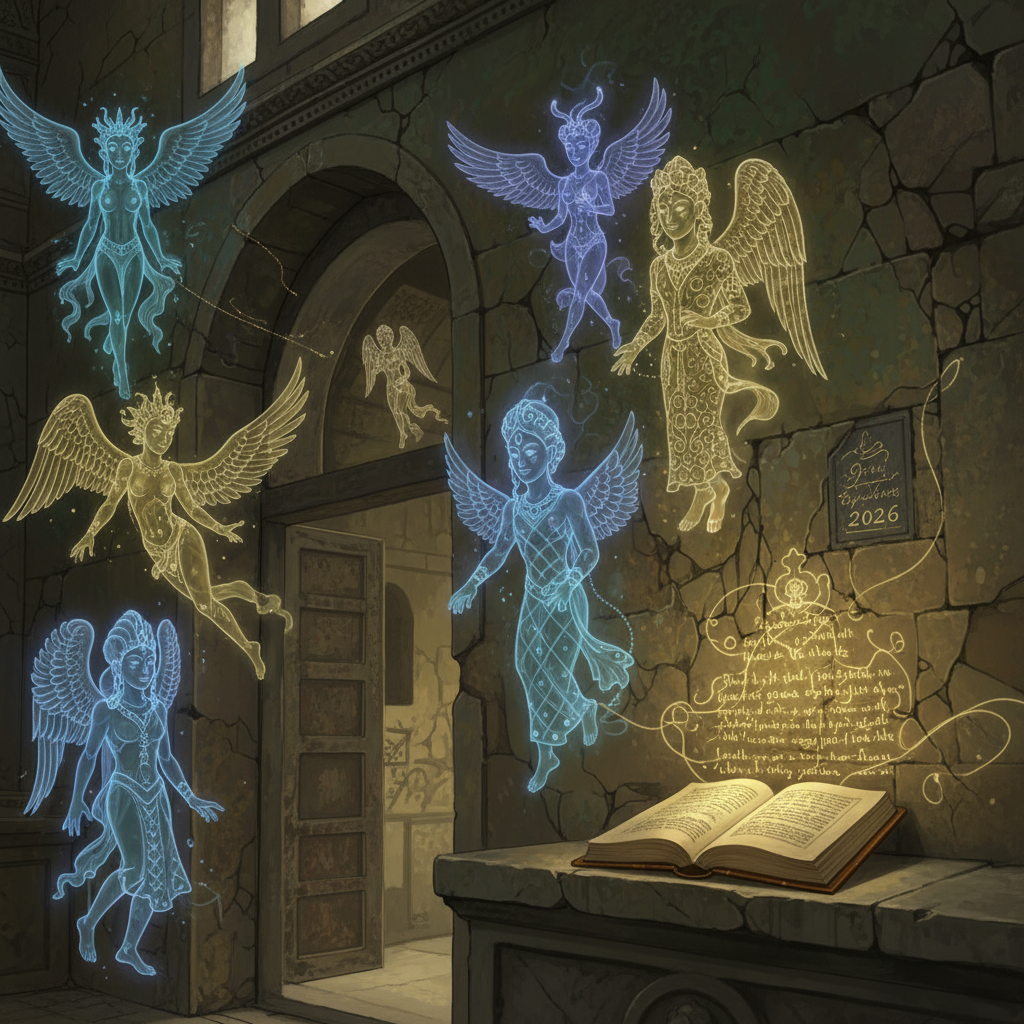
Hagia Sophia Monuments: A Journey Through History and Art to 2026
Standing in the heart of Istanbul, the Hagia Sophia monuments represent a unique blend of history and architecture. This magnificent edifice acts as a repository of memory, echoing thousands of years of civilization. Indeed, from its foundation to the present day, it has witnessed countless events and housed traces of diverse faiths and cultures. Consequently, it has transformed into a living city legend. As we navigate 2026, every corner, every stone, and every monument within Hagia Sophia continues to unveil a different world for its visitors.
The Origins of Hagia Sophia Monuments: From Antiquity to Byzantine Splendor
To begin with, the journey of the Hagia Sophia monuments traces back to the 6th century A.D. This was when Emperor Justinian commissioned the construction of this massive basilica. Justinian's ambition was not only to erect the greatest Christian church but also to create an unparalleled marvel of engineering and art in global history. Therefore, the sculptures and mosaics crafted during this period represent the pinnacle of Byzantine artistic genius. For a deeper dive into the building's historical context and its impact on visitors, explore our Hagia Sophia Traveler's Guide 2026.
The Allure of Byzantine Mosaics within Hagia Sophia Monuments
- Deesis Mosaic: This is unequivocally one of Hagia Sophia's most impressive and artistically valuable mosaics. Depicting Jesus, the Virgin Mary, and John the Baptist, this mosaic brilliantly showcases the subtlety of portrait art from its era.
- Imperial Gate Mosaic: Situated in the central nave, directly above the Imperial Gate, this 9th-century mosaic features Emperor Leo VI kneeling before Jesus.
- Garden of Eden Mosaic: Found in the upper part of the apse, this exquisite work stands out with its intricate geometric patterns and abstract forms.
Ultimately, the Hagia Sophia monuments from the Byzantine period masterfully blended religious sensibilities with aesthetic refinements. These mosaics are invaluable historical documents, offering profound insights into the life, belief systems, and artistic understanding of that era. Discover more about the intricate art within, by reading about Hagia Sophia's Miniatures in Motion.
Ottoman Additions: Islamic Art within Hagia Sophia Monuments
Following the conquest of Istanbul in 1453, Hagia Sophia underwent a transformation, becoming a mosque. This conversion led to significant architectural and artistic enrichments. Ottoman architecture, notably, integrated elements reflecting its own aesthetic understanding without compromising the overall structure of Hagia Sophia. In essence, the Hagia Sophia monuments from this period beautifully reflect the elegance and splendor of Islamic art.
Ottoman Period Monuments and Calligraphic Masterpieces
- Minarets: The four majestic minarets that define Hagia Sophia's silhouette are characteristic features of Ottoman architecture. Each was constructed during different sultanic reigns, adding a distinct atmosphere to the structure.
- Mihrab and Minbar: These essential elements, introduced after its conversion to a mosque, exhibit the finest marble workmanship and calligraphy of their time. The mihrab guides worshippers towards the Kaaba (Qibla), while the minbar is the platform from which sermons are delivered.
- Giant Calligraphic Discs (Levhas): These enormous round discs, gracefully suspended in the main nave, rank among the largest examples of calligraphy in the Islamic world. Inscribed with the revered names of Allah, Muhammad, the Four Caliphs, and Hz. Hassan and Hussein, these discs were penned in the 19th century by the renowned calligrapher Kazasker Mustafa Izzet Efendi. Clearly, these discs add immense depth to Hagia Sophia's spiritual ambiance.
Evidently, the Ottoman period additions further enriched the collection of Hagia Sophia monuments. They elevated the synthesis of East and West to a truly unique architectural and artistic dimension. These additions stand as compelling evidence of the building's rich cultural layers. For more details on the inscriptions adorning its walls, refer to Hagia Sophia's In-Situ Inscriptions.
Mysterious Monuments and Legends within Hagia Sophia
Beyond its well-known monuments, Hagia Sophia also safeguards a treasury of legends and intriguing details, recounted for centuries. These mysteries are pivotal in attracting tourists and history enthusiasts alike. Even in 2026, these captivating legends continue to underpin Hagia Sophia's mystical charm. Learn more about the intriguing perspectives of those who have visited throughout history in Hagia Sophia's Voyager Explorers.
Wishing Columns and the Sweating Column
Among the most compelling points inside Hagia Sophia for visitors is the column often referred to as the "Wishing Column" or "Crying Column." According to popular lore, wishes made by those who insert their thumb into the column's hole and rotate their hand 360 degrees are granted. Various narratives suggest this column either carries the tears of the Virgin Mary or acquired miraculous power from the touch of Hızır (Al-Khidr). Remarkably, the column is also noted for its consistently damp surface, which aptly earned it the nickname "sweating column." These unique features make it one of the most talked-about Hagia Sophia monuments.
The Imperial Gate's Sacred Threshold
The threshold of the Imperial Gate, which opens into the main prayer area, was historically a significant point used by Byzantine Emperors during their coronation ceremonies. However, according to tradition, common visitors stepping on this threshold was not considered auspicious. Nevertheless, even today, many visitors cross this threshold with profound reverence, as if following in the footsteps of emperors from the annals of history, adding to the mystique of the Hagia Sophia monuments.
Holy Relics and Hagia Sophia's Mystique
It is widely rumored that Hagia Sophia once housed numerous holy relics. These include legendary artifacts such as a fragment of the cross upon which Jesus was crucified and the shield of King David. The presence of these relics considerably amplified Hagia Sophia's religious significance and mystical appeal. Although most of these relics are no longer found within Hagia Sophia, their stories continue to resonate powerfully within the building's ancient walls. Delve deeper into the creatures and legends said to call Hagia Sophia home by exploring Hagia Sophia's Mysterious Guardians.
Hagia Sophia Monuments in 2026: Conservation and Future Vision
The Hagia Sophia monuments are not merely legacies of the past; they are also crucial for the present and future. In 2026, the preservation of this unique structure and its careful transmission to future generations remains of paramount importance. Ongoing restoration efforts and dedicated conservation projects ensure that Hagia Sophia will continue to defy the relentless march of time.
Restoration Works and Modern Conservation Techniques for Hagia Sophia Monuments
To guarantee Hagia Sophia's longevity, continuous restoration and meticulous maintenance are essential. Given the building's advanced age, its exposure to earthquake risks, and the substantial visitor traffic, scientific and precise conservation techniques are absolutely vital. Currently, modern methods such as laser cleaning, advanced imaging technologies, and specialized reinforcement techniques are employed to preserve the original condition of these invaluable monuments. For further information on the broader conservation challenges facing historical sites, you can visit the ICOMOS (International Council on Monuments and Sites) website.
Digitalization and Virtual Visit Experiences of Hagia Sophia Monuments
With technological advancements, the Hagia Sophia monuments are increasingly being brought to life on digital platforms. In 2026, much like many other esteemed museums and historical sites, Hagia Sophia offers visitors a novel experience through virtual reality (VR) and augmented reality (AR) applications. This innovation allows people from any corner of the world to explore the intricate details inside Hagia Sophia, and even embark on a virtual journey back in time with knowledgeable virtual guides.
Hagia Sophia's Esteemed Cultural Heritage Status
As a UNESCO World Heritage site, the Hagia Sophia monuments possess universal value. This prestigious status further enhances the responsibility to protect and actively promote the structure. Through international collaborations and dedicated conservation programs, the overarching goal is to safely pass Hagia Sophia on to future generations. Notably, the building's multi-functional past has cemented its role as a global symbol of dialogue and understanding. More information on global heritage preservation can be found at the UNESCO World Heritage Centre.
Recommendations for Visitors to Hagia Sophia Monuments
When you plan your visit to Hagia Sophia, paying attention to specific points will significantly enrich your experience of this magnificent structure. The following recommendations offer guidance for your journey among the remarkable Hagia Sophia monuments. For practical visitor information, consult the Istanbul Tourist Pass guide to Hagia Sophia.
Plan Your Visit and Focus on Intricate Details of Hagia Sophia Monuments
Hagia Sophia is undeniably too rich a structure to be fully absorbed in a single visit. Therefore, before your arrival, conduct some research to pinpoint which sections you wish to prioritize. Make sure to allocate ample time to carefully examine the details of the mosaics in the upper floor galleries and the exquisite Ottoman-era calligraphy.
Participate in Expert-Led Guided Tours of Hagia Sophia Monuments
To gain the deepest understanding of Hagia Sophia's history, architectural marvels, and the stories behind its monuments, exploring with an expert guide is highly recommended. Guides can uncover hidden details and share fascinating legends, thereby adding significant depth to your visit. In 2026, technology-assisted personal audio guides also offer an excellent alternative.
Prepare Your Camera or Smartphone for Hagia Sophia Monuments
The unique play of light, the intricate architectural details, and the astounding works of art inside Hagia Sophia provide unparalleled photographic opportunities. Therefore, ensure your camera or smartphone is ready to capture these moments and immortalize this unique collection of Hagia Sophia monuments.
Embrace a Respectful Visit to Hagia Sophia Monuments
It is important to remember that Hagia Sophia functions both as a museum and a revered place of worship. During your visit, please demonstrate respect by wearing appropriate attire and maintaining a quiet demeanor inside. This consideration will contribute positively to the spiritual atmosphere for both fellow visitors and the historical site itself.
In conclusion, the Hagia Sophia monuments are more than mere stones and mosaics; they are a shared heritage spanning thousands of years of human history, faith, and artistic endeavors. Even in 2026, Hagia Sophia continues to tell a different story and evoke a unique emotion from every visitor. Exploring this truly unparalleled structure is not just a tourist outing, but a mystical journey into the profound depths of history.