Whispers on Hagia Sophia's Walls: Unseen Stories from Past to Present
In the heart of Istanbul, for centuries, Hagia Sophia stands not merely as an architectural marvel but as a mystical structure holding countless Hagia Sophia mysteries. It has witnessed the rise and fall of empires, serving as a crossroads of faiths and cultures. Delve into its captivating splendor and untold narratives.
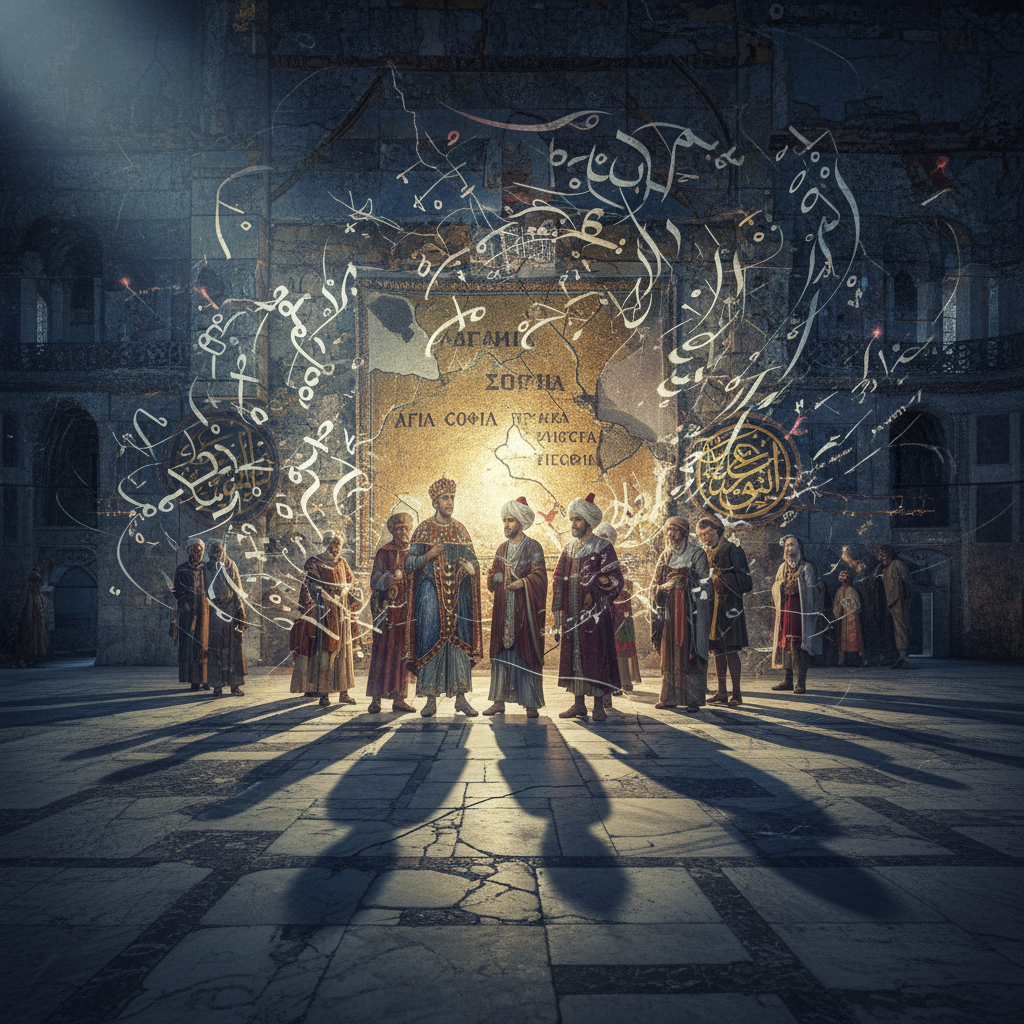
Mysteries of Hagia Sophia: Unveiling Ayasofya Gizemleri and Unseen Stories
In the heart of Istanbul, standing for centuries with every corner imbued with deep history, Hagia Sophia is not just an architectural marvel. Indeed, it is also a mystical structure harboring countless Ayasofya gizemleri. This unique edifice has witnessed the rise and fall of empires, serving as a crossroads of faiths and cultures. Behind its captivating splendor, many secrets lie, ingrained in its walls, reaching us today through the whispers of time. Join us as we delve into the profound Mysteries of Hagia Sophia, exploring its hidden depths and untold stories.
The Mystical Origins and Construction Secrets of Hagia Sophia
The construction of Hagia Sophia began in 532 AD during the reign of Byzantine Emperor Justinian I. It was completed in a remarkably short period of just five years. How such a monumental structure was built so quickly and solidly is still considered an engineering marvel today. The materials used in its construction were brought from all over the world, symbolizing the wealth and power of the empire. For further insights into its construction and history, you can read our comprehensive Hagia Sophia Tourist Guide. Unraveling the construction Mysteries of Hagia Sophia reveals an incredible feat of ancient engineering.
Architectural Magic and Masterful Techniques
The dome of Hagia Sophia was one of the greatest technological achievements of its era. This breathtaking main dome rests on four massive piers, creating the sensation of being suspended in the sky. This architectural miracle is among the most admired of the Ayasofya gizemleri. Therefore, the subtleties in the dome's design and construction techniques have inspired many architects throughout centuries. These design choices contribute significantly to the enduring Mysteries of Hagia Sophia.
- Weight distribution was achieved using different types of arch systems.
- Windows at the base of the dome create a mystical atmosphere with the light entering inside.
- It is believed that a special mortar mixture was used in the foundation of the structure to increase its resistance against earthquakes.
Hagia Sophia's Interreligious Transformations and Hidden Tales
Throughout its existence, Hagia Sophia has served as a place of worship for two great religions. Initially, it served as the patriarchal cathedral of the Eastern Orthodox Church. Later, it was converted into a mosque with the conquest of Istanbul by Sultan Mehmed the Conqueror. This transformation added a unique layer to the structure's architecture and decoration. To understand more about its complex history, consider exploring the changing face of Hagia Sophia. The interreligious transformations are among the most fascinating Mysteries of Hagia Sophia.
Stories in Mosaics and Islamic Calligraphy Art
While the mosaics in the interior of Hagia Sophia depict important figures and events of Christianity, with its conversion into a mosque, these mosaics were covered with plaster. However, over time, with the flaking or removal of this plaster, the unique mosaics underlying them were revealed again. This situation presents a unique visual feast where different faiths can coexist side by side, a testament to Istanbul's rich cultural tapestry, as detailed by Britannica's entry on Hagia Sophia. These artistic layers add to the profound Mysteries of Hagia Sophia.
The enigmatic Islamic calligraphy and gigantic panels added during the mosque period brought a new dimension to the spirit of the structure. These calligraphic writings usually contain the names of Allah, the names of prophets, and verses from the Quran. These artworks also contain their own Ayasofya gizemleri; as the size and hanging techniques of some panels are still awe-inspiring even with today's technology. Exploring these details further illuminates the Mysteries of Hagia Sophia.
- Byzantine mosaics depicting Jesus Christ, the Virgin Mary, and various emperors.
- 8 gigantic calligraphic panels added during the mosque period.
- How some parts of the mosaics have remained intact until today is a matter of curiosity.
Hidden Passages and Legends within Hagia Sophia
There are many legends and stories circulating around this ancient structure. Particularly, rumors about hidden passages and underground tunnels attract the interest of visitors. It is believed that these passages could have served various purposes, from escape routes to secret chambers for treasures. These tales contribute significantly to the allure and Mysteries of Hagia Sophia.
The Spiritual Aura and Unexplained Phenomena
Beyond its architectural grandeur and historical significance, Hagia Sophia is often described as possessing a unique spiritual aura. Many visitors report feeling a profound sense of peace or wonder within its walls. There are also numerous accounts of unexplained phenomena and spiritual encounters, adding another layer to the Mysteries of Hagia Sophia. From whispers carried on the wind to fleeting shadows, these stories continue to captivate and intrigue those who visit.
Preserving the Mysteries for Future Generations
The ongoing efforts to preserve Hagia Sophia are crucial not only for its historical and architectural value but also for safeguarding the countless Mysteries of Hagia Sophia it holds. Conservationists and historians work tirelessly to uncover new insights while protecting its delicate structure and artworks. Ensuring its longevity means future generations can continue to explore and be inspired by this magnificent monument and its enduring secrets.