Hagia Sophia's Mysterious Guardians: Mythological Beings and Their Meanings "Living" Within Its Walls for Centuries (2026)
Hagia Sophia, a breathtaking architectural masterpiece in Istanbul, transcends mere stone and mortar, brimming with untold stories. This iconic structure has silently harbored countless mythological beings within its walls and mosaics for centuries, reflecting the diverse cultures and faiths that have shaped its profound legacy. Discover the secrets held within its ancient artistry in 2026.
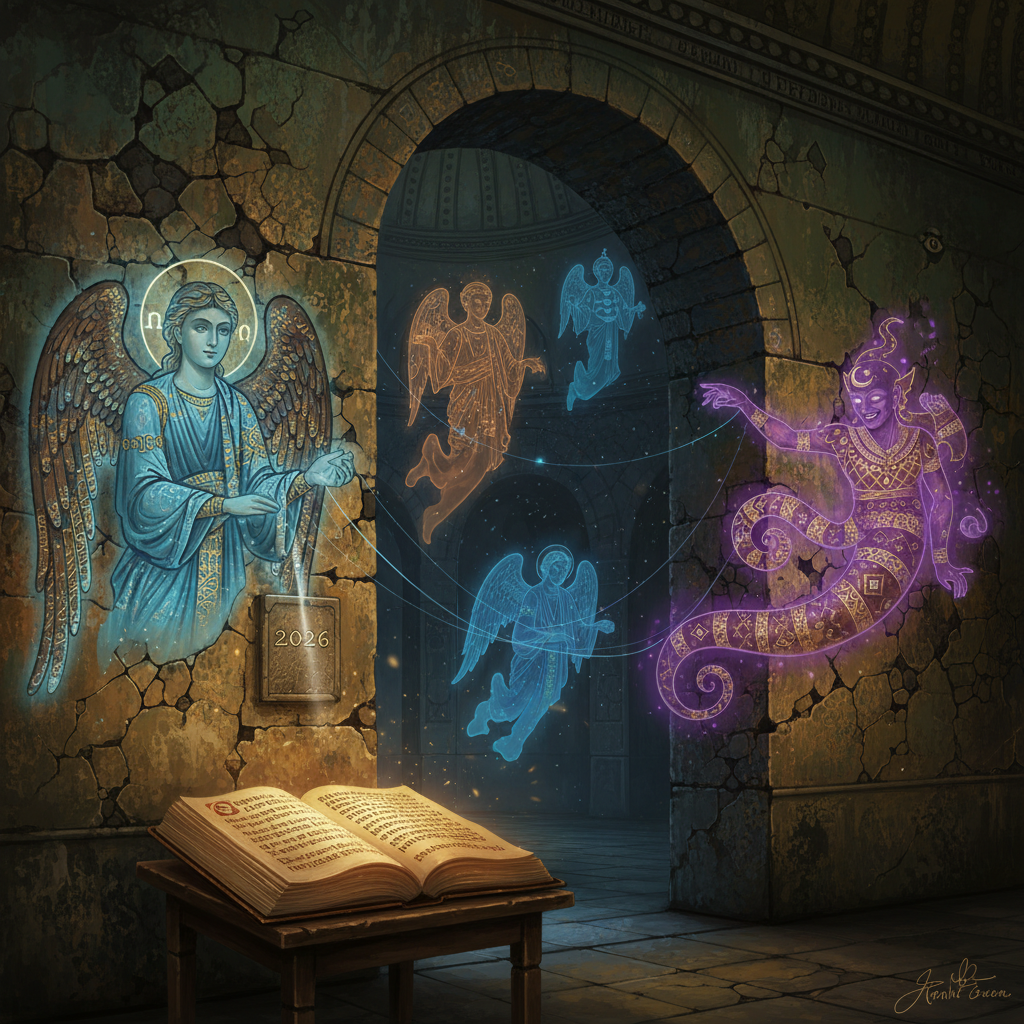
Hagia Sophia's Mythological Beings: Ancient Guardians and Hidden Stories
Rising in the heart of Istanbul at the crossroads of history and faiths, Hagia Sophia is not just an architectural masterpiece but also a fascinating structure harboring countless stories hidden within its walls and mosaics. This unique edifice has hosted many cultures over centuries and carries the traces of each. Even today, one of the most intriguing aspects of this place, which continues to captivate its visitors, is its symbolic narratives filled with Hagia Sophia's mythological beings. In this article, we will delve into these mysterious figures hidden within the depths of Hagia Sophia, their meanings, and what they tell us as of 2026.
Unveiling Hagia Sophia's Mythological Beings in its Architecture
Hagia Sophia has undergone numerous religious and cultural transformations since the day it was built. These transformations are also reflected in the artistic and symbolic language of the structure. Mosaics and frescoes from the Byzantine Empire period may contain elements inspired by ancient mythology or bearing traces of Pagan beliefs, in addition to Christian iconography. Consequently, these mythological beings offer a glimpse into the diverse spiritual landscape of the past, making the study of Hagia Sophia's mythological beings a rich endeavor.
Byzantium's Symbolic Language and Mythological Heritage
Byzantine Art blended the heritage of classical Roman and Hellenistic periods with Christian theology. This synthesis implies that some figures within Hagia Sophia may have not only a religious but also a mythological context. Particularly in early works, it is possible to see traces of Pagan symbolism. For instance, some geometric patterns or animal figures may reflect universal symbols of ancient beliefs. Therefore, understanding this interplay is key to comprehending the art within. For more on the building's historical narratives, explore Hagia Sophia's historic journey, and how it relates to Hagia Sophia's mythological beings.
Inspirations from the Bible and Apocryphal Texts
Christian mythology is also intertwined with narratives and symbols from antiquity. Some angelic figures or fantastic creatures may have been inspired by popular stories found in apocryphal texts outside the Bible. This demonstrates how layered Hagia Sophia's artistic expression truly is. Furthermore, it highlights the complexity of the Ayasofya mythological beings, which are integral to understanding Hagia Sophia's mythological beings.
Dragons, Griffins, and Other Mysterious Creatures: Hagia Sophia's Mythological Beings Collection
A visitor exploring Hagia Sophia with careful eyes may encounter figures in different corners of the structure that are often overlooked but carry profound meanings. These figures sometimes tell a direct story, while at other times they assume a protective or cautionary role. Truly, these details enhance the mystery of the structure and deepen our appreciation for Hagia Sophia's mythological beings.
Fantastic Animals in Stone Carvings
- Dragons: In the Byzantine period, dragon figures typically represented evil and chaos. However, they could sometimes be seen as a protective force, especially at church doors or the entrances of important buildings. It is possible to find such figures in some reliefs or details on the exterior parts of Hagia Sophia, adding to the lore of Hagia Sophia's mythological beings.
- Griffins: These legendary creatures, with the body of a lion and the head of an eagle, symbolize power, might, and protection. Griffins, which held an important place in ancient Greek and Roman mythology, were also frequently used in Byzantine art. The existence of griffin-like figures in Hagia Sophia's courtyards or within some interior decorations has been debated; nevertheless, their symbolic presence is undeniable, making them significant among Hagia Sophia's mythological beings.
Symbolic Birds and Serpents in Sacred Spaces
Birds and serpents, as in many mythologies, also hold deep symbolic meanings in Christianity. Birds represent the soul, ascension, and divine messages; while serpents can sometimes represent evil, and sometimes wisdom and healing. These dual interpretations add richness to the imagery of Hagia Sophia's mythological beings.
- Eagle Motifs: The eagle, especially as a symbol of imperial power and Roman heritage, was frequently used in Byzantine art. Eagle figures can be found in various parts of Hagia Sophia.
- Serpent Symbols: Serpent figures in the pre-Christian era were particularly associated with health and rebirth. Hidden serpent motifs in some of Hagia Sophia's early decorations may provide clues about the belief systems of that period. These are fascinating examples of Ayasofya mythological figures, contributing to the diverse array of Hagia Sophia's mythological beings.
Angelic Figures and Celestial Beings in Hagia Sophia
Some of Hagia Sophia's most striking Ayasofya mythological beings representations are undoubtedly its angelic figures. These figures reflect the religious identity of the structure during both the Byzantine period and later eras. They serve as a testament to various spiritual beliefs, showcasing the depth of Hagia Sophia's mythological beings.
Seraphim Angels: Winged Guardians
The Seraphim angels located in the pendentives supporting Hagia Sophia's main dome are among its most striking mosaics. Described in the Old Testament as the angels closest to God's throne, the Seraphim are six-winged and constantly glorify God. These angels symbolize Hagia Sophia's sanctity and its being under divine protection. Even in 2026, these figures continue to attract great interest from visitors, representing profound spiritual concepts and being key examples of Hagia Sophia's mythological beings.
Gabriel and Michael: The Protective Power of the Archangels
Archangel Gabriel and Michael figures, holding important places in Christian iconography, also appeared on Hagia Sophia's walls and in its apse mosaics. Generally depicted with swords or staffs, these angels are symbols of divine justice and protection. Their presence contributed to Hagia Sophia being perceived as a reflection of heaven, serving as powerful Ayasofya mythological beings and enriching the narrative of Hagia Sophia's mythological beings.
The Meaning of Hagia Sophia's Mythological Beings and Their Effect on the Visitor Experience
Ayasofya mythological beings, beyond being mere artistic details, reveal the deep philosophical and spiritual layers of the structure. These figures offer valuable clues for understanding the belief systems, cultural interactions, and artistic aesthetics of their time. Consequently, they enrich the visitor's journey and provide insight into Hagia Sophia's mythological beings.
The Power of Symbols: Understanding the Past
Each mythological figure or symbol contains the worldview, fears, and hopes of its era. Discovering these elements in Hagia Sophia offers visitors the opportunity to journey through thousands of years of history. These figures help in understanding how pre-Christian beliefs merged with Christianity and how universal symbols were interpreted differently. Truly, they are cultural touchstones. For a broader appreciation of the intertwining of history and art, consider exploring Byzantine Art at The Met, which often features similar mythological beings to those found in Hagia Sophia.
Hagia Sophia's Mystical Atmosphere
These mysterious beings significantly contribute to Hagia Sophia's mystical and enchanting atmosphere. Visitors not only tour a place of worship or a museum but also experience history and myths intertwined. This is one of the features that make Hagia Sophia unique worldwide, with Hagia Sophia's mythological beings at its heart.
Hagia Sophia's Mythological Beings: Research and New Discoveries in 2026
Research and restoration efforts on Hagia Sophia have always continued. As of 2026, previously unnoticed details of the structure are being uncovered thanks to laser scanning and new archaeological methods. This allows for a clearer understanding of ancient mythological beings or symbols. Indeed, new insights are constantly emerging regarding Hagia Sophia's mythological beings.
Digital Modeling and Virtual Tours
Current technology allows for digitally modeling the details of Hagia Sophia, enabling experts and visitors to view the structure from different perspectives. Virtual reality tours and augmented reality applications offer great opportunities to discover Ayasofya mythological beings details that were previously overlooked. This modern approach is revolutionizing historical exploration and our understanding of Hagia Sophia's mythological beings. For examples of such digital preservation efforts, visit the Google Arts & Culture Hagia Sophia page.
- Details in high areas that are unreachable or invisible are being examined using camera technologies.
- Experts are conducting detailed studies on new mosaic and fresco fragments uncovered during restoration work, often revealing more about Hagia Sophia's mythological beings.
Analysis of Intercultural Connections
Research on the similarities and differences of mythological figures across different cultures further strengthens Hagia Sophia's role as a bridge between Eastern and Western civilizations. The examination of these beings reveals deeper cultural interactions spanning from ancient times to the Christian era. This ongoing study enhances our appreciation for these diverse figures, especially Hagia Sophia's mythological beings. You can find more about the influence of diverse mythologies on architecture through resources like Britannica's article on Mythology in Art.
In conclusion, Hagia Sophia is not only a magnificent structure but also a labyrinth of symbols filled with Hagia Sophia's mythological beings hidden within its walls and mosaics. These beings offer keys to understanding the rich history, cultural layers, and mystical atmosphere of the structure. Even in 2026, Hagia Sophia continues to whisper the secrets of the past and ignite our imagination, inviting us to explore its profound treasures and the fascinating world of Hagia Sophia's mythological beings.