Hagia Sophia's Enigmatic Guardians: Centuries of Silent Servants and Their Stories through the Lens of 2026
As we stand in 2026, Hagia Sophia continues to captivate. Beyond its architectural grandeur, we delve into the often-overlooked 'Hagia Sophia officials' – the silent guardians who have served this monumental site for centuries. From various titles and roles, these individuals have played a crucial part in its preservation and daily life, their dedicated service shaping its rich history.
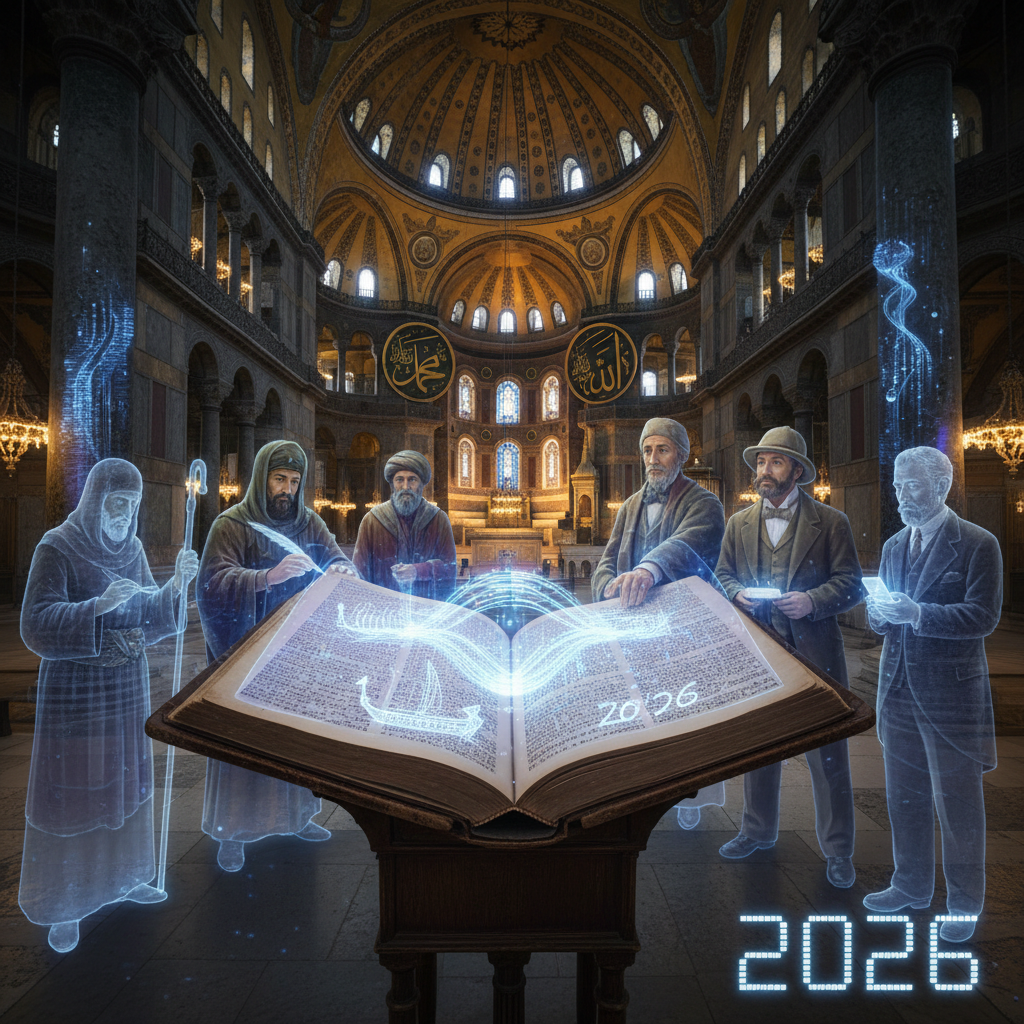
Hagia Sophia Officials: Centuries of Silent Servants and Their Stories Through the Lens of 2026
As we find ourselves in 2026, Hagia Sophia, with its magnificent structure still captivating the world from the heart of Istanbul, draws attention not only with its architecture, but also with the dedicated Hagia Sophia officials who have served this monumental work from the past to the present. These officials, existing under different titles throughout centuries, have selflessly worked to preserve the spirit, order, and mystical atmosphere of Hagia Sophia. Indeed, they stand as the silent witnesses and custodians of the ancient secrets nestled within this sacred structure, much like the mysterious passageways and geological layers that hold their own secrets.
Hagia Sophia's Official Structure and Historical Development
Throughout its long history of approximately 1500 years, Hagia Sophia has graciously hosted diverse religions and cultures. Consequently, its internal official structure has developed parallel to these profound changes. During the Byzantine period, for example, when Hagia Sophia served as a Christian place of worship, numerous clergymen, deacons, priests, and bishops served diligently. After the Ottoman conquest, however, when it was converted into a mosque, roles such as imams, muezzins, preachers, and pulpit sheikhs were added to these cadres.
In every era, vital auxiliary personnel for the functioning of the mosque or church, such as cleaning staff, guards, and candle-makers, were selected with immense care. Significantly, these Hagia Sophia officials played crucial roles in maintaining the physical integrity of the structure, while also ensuring that worship was conducted in an orderly and peaceful manner. Even today, modern versions of these traditional duties continue, highlighting their enduring importance. For a deeper dive into the lives within Hagia Sophia, explore the traveler's memoirs etched into its very walls.
Officials During the Byzantine Empire Period
- Patriarch and Clergy Attached to the Church: As the most important church of the Byzantine Empire, Hagia Sophia hosted the Patriarch of Constantinople. The Patriarch was not only the spiritual leader of the church but also held significant influence over the empire.
- Deacons and Priests: These were the primary religious officials responsible for conducting worship, managing ceremonies, and reading sacred texts.
- Choir Members and Musicians: These special groups performed hymns and musical renditions, which were an important part of the ceremonies. The exceptional acoustic structure of Hagia Sophia ensured that these performances became a truly unique experience.
Officials During the Ottoman Empire Period
The conversion of Hagia Sophia into a mosque after the Ottoman conquest brought with it an entirely new official structure. These Hagia Sophia officials, appointed by special imperial decrees, were specifically responsible for ensuring the sanctity and proper functioning of the mosque.
- Imams and Preachers: They were responsible for leading prayers, delivering sermons, and informing the congregation about religious matters. Notably, Hagia Sophia imams were chosen from among Istanbul's most respected religious scholars.
- Muezzins: These individuals called the congregation to prayer and upheld the revered tradition of reciting the adhan. The sounds of the adhan rising from Hagia Sophia's minarets were, indeed, one of the iconic symbols of the city at that time.
- Pulpit Sheikhs and Jurisprudence Scholars: These were respected scholars who delivered sermons to the public before Friday and Eid prayers, and on important religious holidays, often providing valuable religious edicts.
- Guards and Servants: These crucial staff members ensured the security, cleanliness, and general order of the mosque. Among the many Hagia Sophia officials, these cadres were vitally important for the daily operation of the structure.
Hagia Sophia's Current Role in 2026 and the Importance of Officials
As of 2026, Hagia Sophia continues to serve as a mosque once again. This significant development signals the beginning of a new era, aligning with the historical mission of the structure. Today's Hagia Sophia officials bear a dual responsibility: ensuring the preservation of the historical structure and facilitating the flawless performance of worship.
Comprising both volunteer and professional teams, these officials work diligently to guide visitors, ensure their safety, and help them experience Hagia Sophia's unique atmosphere. Furthermore, the cleaning, maintenance, and organization of various cultural events at the mosque are also among their extensive responsibilities. These officials effectively act as living bridges, carrying the rich past of Hagia Sophia into the vibrant present. For those planning a visit in the current year, a comprehensive Hagia Sophia Traveler's Guide 2026 provides invaluable insights.
Modern-Era Hagia Sophia Officials and Their Roles
- Imams and Muezzins: They continue their duties during prayer times and provide guidance to the congregation. They have also embraced the mission of enlightening visitors with religious knowledge.
- Conservation and Security Personnel: They are fundamentally responsible for protecting the historical texture, structural integrity, and artifacts within Hagia Sophia. Ensuring the safety of millions of visitors is also their paramount duty. For more on conservation efforts in historical sites, refer to the UNESCO World Heritage Centre.
- Cleaning and Maintenance Teams: These teams ensure that the structure remains consistently clean and orderly. Especially considering the high visitor traffic, the tireless efforts of these officials are truly commendable.
- Guides and Information Officers: They enrich visitors' experience by providing detailed information about Hagia Sophia's history, architecture, and cultural significance. These officials are particularly important for foreign tourists seeking deeper understanding.
Mystical Stories and Legends Among Hagia Sophia Officials
Hagia Sophia's profound history undoubtedly gives rise to many mystical stories and captivating legends. A significant portion of these narratives is directly associated with the officials of the structure. Especially during the Ottoman period, places believed to possess high spiritual energy at certain points within the mosque were carefully protected by Hagia Sophia officials, and these secrets were often passed down from generation to generation.
For example, legends related to the sweating column (weeping pillar) and the wishing hole have captivated visitors for centuries. Such stories are still recounted with great interest, not only among tourists but also within the local population. These compelling legends, often told or protected by the officials, further enhance Hagia Sophia's already mystical atmosphere. Children visiting today can even explore these tales through a dedicated Hagia Sophia Children's Guide 2026.
A Few of the Enduring Legends
- The Sweating Column (Weeping Pillar): This column inside Hagia Sophia, known to be constantly damp, is believed by many to represent the tears of the Virgin Mary or Saint Gregory. According to historical accounts, officials around this column preserved handkerchiefs believed to have healing properties from the water taken from it.
- The Wishing Hole: This is a distinctive hole on a column also located inside Hagia Sophia. Visitors traditionally believe that if they can insert their thumb into this hole and completely rotate their palm, their wishes will miraculously come true. This legend, too, has been passed down to the present day, diligently preserved by Hagia Sophia officials for centuries. For more on historical beliefs and healing, see this general article on Byzantine Saints and Healing.
- Sultan Mehmed the Conqueror's Sword: According to legend, after Sultan Mehmed the Conqueror performed his first prayer in Hagia Sophia, he hung his sword at a specific point, and this act was said to add immense sanctity to the structure. This sacred area was also specifically protected with special care by the officials. Details of Istanbul's history during this period can be found on the Britannica Istanbul History page.
Being a Hagia Sophia Official in 2026: Responsibilities and Challenges
In 2026, working in a structure of such immense historical and cultural importance as Hagia Sophia is undeniably a great honor. However, it also comes with significant responsibilities and unique challenges. Hagia Sophia, hosting millions of local and foreign visitors annually, means a constant and demanding pace of work for Hagia Sophia officials.
A delicate balance must be consistently maintained between ensuring the comfort of worshippers and preserving the historical integrity of the structure. The coordinated execution of numerous tasks, such as security, cleanliness, guiding, and managing cultural events, requires a high level of professionalism and unwavering dedication. In particular, providing services according to modernized standards while meticulously preserving respect for cultural heritage is one of the most important missions of today's officials.
Pros and Cons of Being an Official
- Pros:
- The profound spiritual satisfaction of working within a world heritage site.
- An unparalleled opportunity to be intertwined with history and absorb ancient knowledge.
- The unique chance to interact with people from diverse cultures and backgrounds.
- The distinct privilege of contributing directly to the future legacy of Hagia Sophia.
- Cons:
- A high workload due to intense visitor traffic and constant demands.
- The requirement for constant attention and meticulous care due to the sensitivity of the historical structure.
- The fundamental need to communicate effectively in various languages.
- The obligation to meet visitor expectations and skillfully resolve potential problems that may arise.
In conclusion, the Hagia Sophia officials, across every historical period, have played a truly pivotal role in the survival of this magnificent structure and the preservation of its profound spirit. In 2026, as guardians of this important heritage, they continue to work selflessly to pass Hagia Sophia on to future generations—both as a revered place of worship and as an enduring cultural symbol. Their dedication constantly proves that Hagia Sophia is not merely made of stones, but also a living organism nurtured by human effort, faith, and unwavering devotion.