Hidden Meanings of Hagia Sophia: Whispering Symbols and Anecdotes in Every Corner (2026)
As we arrive in 2026, Hagia Sophia, defying centuries in the heart of Istanbul, continues to captivate its visitors. This unique structure, beyond its architectural genius, is a book of riddles filled with hidden Hagia Sophia symbols in every stone, every mosaic, and every column. This monumental work, which has hosted many civilizations, is not merely a place of worship but a testament to intertwined histories and beliefs. Discover the subtle narratives woven into its very fabric, providing a profound understanding of its enduring legacy and cultural significance.
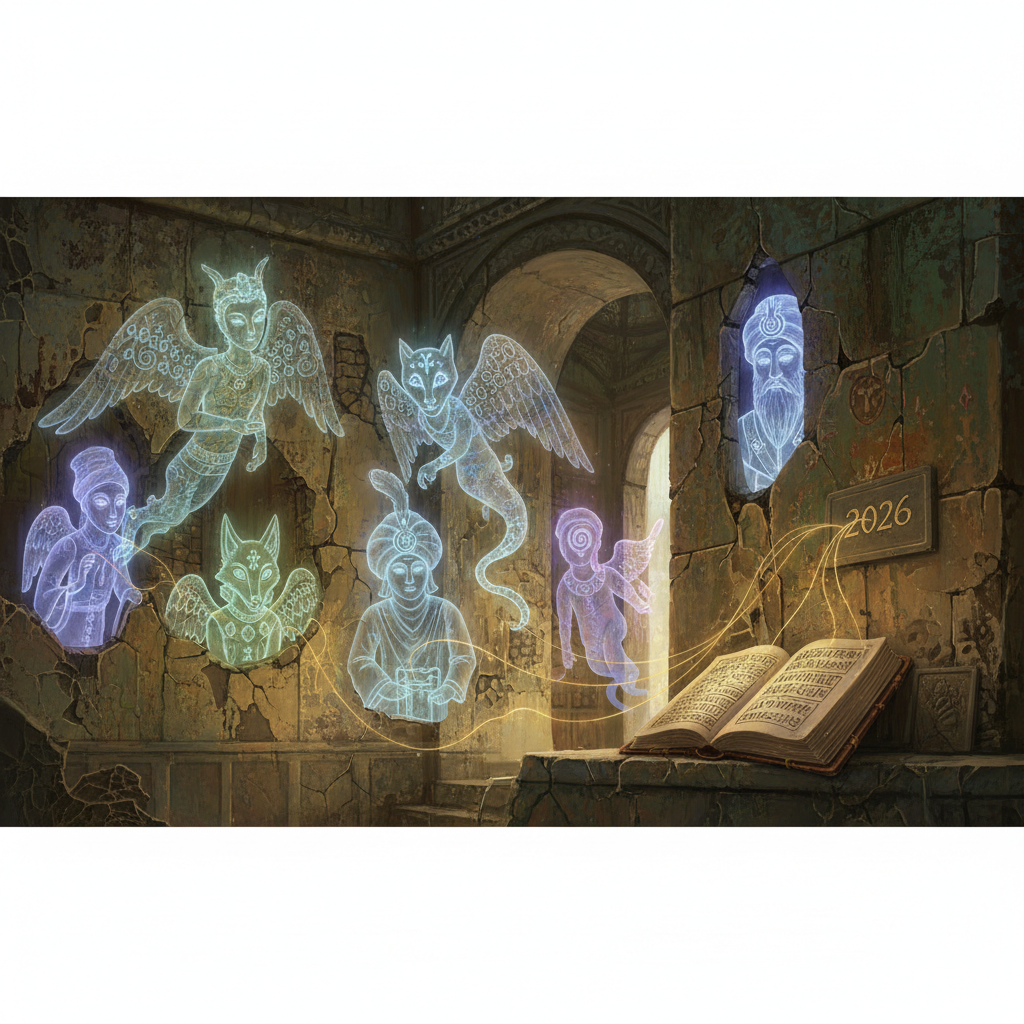
Hagia Sophia Symbols: Hidden Meanings Whispering in Every Corner (2026)
As we arrive in 2026, Hagia Sophia, defying centuries in the heart of Istanbul, continues to captivate its visitors. This unique structure, beyond its architectural genius, is a book of riddles filled with hidden Hagia Sophia symbols in every stone, every mosaic, and every column. This monumental work, which has hosted many civilizations, is not merely a place of worship but also a gallery of symbols carrying deep meanings. Are you ready to discover the stories and hidden messages behind every detail you see when visiting Hagia Sophia?
For a deeper dive into the structure's enduring legacy, explore Hagia Sophia's Echoes and Reflections: Surrounding Monuments and the Story of Cultural Heritage in a 2026 Context.
Hagia Sophia Symbols: Architectural Wonders in the Light of History
From the day it was built, Hagia Sophia has held profound significance for both the Byzantine and Ottoman Empires. This structure, bearing the traces of these two great civilizations, draws attention not only with its physical grandeur but also with the Hagia Sophia symbols it harbors. Every element of the structure represents a specific meaning or historical event.
These symbols, reflecting the power, beliefs, and artistic perspectives of empires, transform Hagia Sophia into a living history book. Visitors, as they decipher these Hagia Sophia symbols, get the opportunity to penetrate deeper into the soul of the building.
Byzantine Symbolism and Hagia Sophia
- Mosaics: Among the most striking Hagia Sophia symbols, the mosaics depict important figures and scenes of the Christian faith. These mosaics reflect the artistic and religious understanding of the period. Gold gilding and vibrant colors create a divine atmosphere. You can learn more about the artistry within its walls by reading Hagia Sophia's Galleries in Motion: An Artistic Journey Through Details, From Past to 2026.
- Monograms: Monograms seen on some columns and walls are abbreviations of the names of emperors and empresses. These monograms refer to the founders and patrons of the building.
- Geometric Motifs: Geometric motifs from the Byzantine period symbolize the order of the universe and divine harmony. They typically consist of complex and repeating patterns.
Ottoman Period and Islamic Symbols
- Calligraphy: The colossal calligraphy panels added after Hagia Sophia was converted into a mosque include the names of Allah, Prophet Muhammad, the four caliphs, and Hasan and Husayn. These panels are powerful Hagia Sophia symbols representing the fundamental pillars of Islam and sacred names.
- Mihrab and Minbar: The mihrab, indicating the direction of the qibla, and the minbar, from which sermons are delivered, are indispensable elements of Islamic worship. They stand out with their artistic carvings.
- Minarets: The minarets that complete the silhouette of Hagia Sophia from the outside are symbols of Islamic civilization and the call to prayer. They were added at different times, starting from the reign of Sultan Mehmed the Conqueror.
Mysterious Hagia Sophia Symbols: Columns and Gates
Every corner of Hagia Sophia whispers a unique story. Especially the columns and gates take visitors on a mystical journey with the Hagia Sophia symbols they bear.
The various columns used in the building's construction were brought from different geographies and reused. Each column may have its own history and meaning. Gates typically symbolize passage, transformation, and the threshold between different worlds.
The Sweating Column (Wishing Column)
One of Hagia Sophia's most popular mysterious spots, the "Sweating Column" or "Wishing Column," is a place where visitors line up to insert their fingers and make a wish. According to legend, if a person puts their thumb into the column's hollow and rotates their hand 360 degrees, their wish will come true.
Although there are many legends associated with this column, historians and researchers state that the moisture in the column is related to the building's humidity balance or groundwater. However, this fact has never diminished the faith and hope of visitors. For more on the unique elements of its construction, read about the Secrets Beneath Hagia Sophia's Marble: A Journey from Ancient Quarries to Eternity (2026).
Imperial Gate and Marble Gate
The Imperial Gate, one of the main entrances of Hagia Sophia, was a passage used only by emperors. Cross motifs are found on the bronze panels of this gate. This gate, which you will pass through upon entering, is the first harbinger of the splendor that awaits you inside Hagia Sophia.
The Marble Gate, on the other hand, opens to sections where emperors participated in religious ceremonies and important decisions were made. The marble workmanship and carved details on the gate frame showcase the artistic understanding of the era. These gates are among the Hagia Sophia symbols that show the building was not only a place of worship but also an administrative and ceremonial center.
Layers of Meaning in Hagia Sophia: Interreligious Relations and Symbolic Unifications
Hagia Sophia uniquely combines the symbols of two different major faiths, rarely seen elsewhere in the world. This situation indicates that the structure is more than just an architectural marvel; it is a point of cultural and religious unification. The Hagia Sophia symbols are the most prominent indicators of this multi-layered structure.
The presence of both Christian mosaics and Islamic calligraphy side-by-side on the walls of the building offers visitors a unique experience. This situation is one of the most concrete examples of tolerance and how different faiths can coexist under the same roof.
Meeting Points of Christian and Islamic Motifs
- Dome: The colossal dome of Hagia Sophia has been a celestial symbol for both the Byzantine and Ottoman Empires. In Christianity, it represents God's sovereignty over the universe under the heavens, while in Islam, it represents Allah's unique omnipotence. The inscriptions and mosaics around the dome reflect the universal messages of both faiths. Discover more about its celestial connections in Sky Through Hagia Sophia's Mirror: A Journey from Domes to Stars (2026).
- Angel Figures and Calligraphy Panels: The six-winged seraphim angels located at the four corners of the main dome, representing the angels closest to God in the Christian tradition, while the calligraphy panels suspended below them emphasize the fundamental beliefs of Islam. This duality is among the most striking Hagia Sophia symbols demonstrating Hagia Sophia's uniqueness and unifying character.
The Story of Hagia Sophia: Legends and a Glorious Past
The history of Hagia Sophia is filled with many legends and incredible stories. These legends enhance the mystical charm of the structure, while also offering visitors a different perspective. As of 2026, Hagia Sophia still stands tall as a living witness to these legends and its glorious past.
The construction process of the building, the visions of emperors, the natural disasters experienced, and subsequent repairs have transformed Hagia Sophia into an epic. Each of these stories, which are Hagia Sophia symbols in themselves, constitutes the building's soul.
Construction Legends and Architectural Genius
The miracles and legends experienced during the construction of Hagia Sophia reinforce the holiness of the building. For example, according to legends, Emperor Justinian I had Hagia Sophia built according to instructions he received from an angel in a dream. Furthermore, there are stories that precious stones and holy waters were added to the special mortar used in the construction of the dome. These stories transform Hagia Sophia from a mere building into a sacred entity.
How brilliant architects like Anthemius and Isidore of Miletus built this dome by pushing the technological boundaries of their time is still a great mystery. The structural marvels of the building, its endurance through hundreds of earthquakes, are important Hagia Sophia symbols that demonstrate its engineering brilliance. For more on the architectural feats, the domes of Hagia Sophia are particularly noteworthy.
Recommendations for Visitors: Exploring the Hagia Sophia Symbols
When you visit Hagia Sophia, you don't just see a structure; you experience an unforgettable moment at a crossroads of history and faiths. In 2026, Hagia Sophia continues to attract more attention than ever.
Here are some recommendations to make the most of this unique experience:
- Guided Tours: To learn the in-depth meanings of the Hagia Sophia symbols, join guided tours. Expert guides will explain details and meanings you might otherwise miss.
- Focus on Details: Look carefully at the ceilings, walls, column capitals, and floor marbles. Each detail will tell you a different story. Especially, don't miss the intricacies of the mosaics.
- Lighting Hours: Visiting Hagia Sophia towards sunset or in the early hours offers a special atmosphere as the light illuminates the structure in different ways. Photos taken during these hours will also be much more impressive.
- Find a Quiet Moment: Away from the crowds, sit in a corner and breathe in the atmosphere of Hagia Sophia. Feeling the energy of this unique structure will give you unforgettable moments.
- Consult Resources: Before or after your visit, reviewing historical books, articles, and documentaries about Hagia Sophia will provide you with more information about the Hagia Sophia symbols you have seen. A good starting point for general information is the UNESCO World Heritage site for Istanbul, which includes Hagia Sophia. You might also find personal anecdotes and historical records in Hagia Sophia's Logbook: Tracing Historic Journeys and Modern Discoveries (2026).
Hagia Sophia is not just a museum or a place of worship; it is a bridge from past to present, an epic filled with symbols, and a common heritage of humanity. When you visit this magnificent structure, try to discover the deep meanings behind everything you see and the profound Hagia Sophia symbols it holds.