Hagia Sophia Traveler's Guide 2026: An In-Depth Post-Visit Look and Lasting Memories
As we arrive in 2026, Hagia Sophia in Istanbul remains a captivating blend of history and mystique. This guide helps you transcend a mere trip into a journey, leaving deep imprints post-visit. Discover how to enhance your experience and cherish lasting memories of this unique structure.
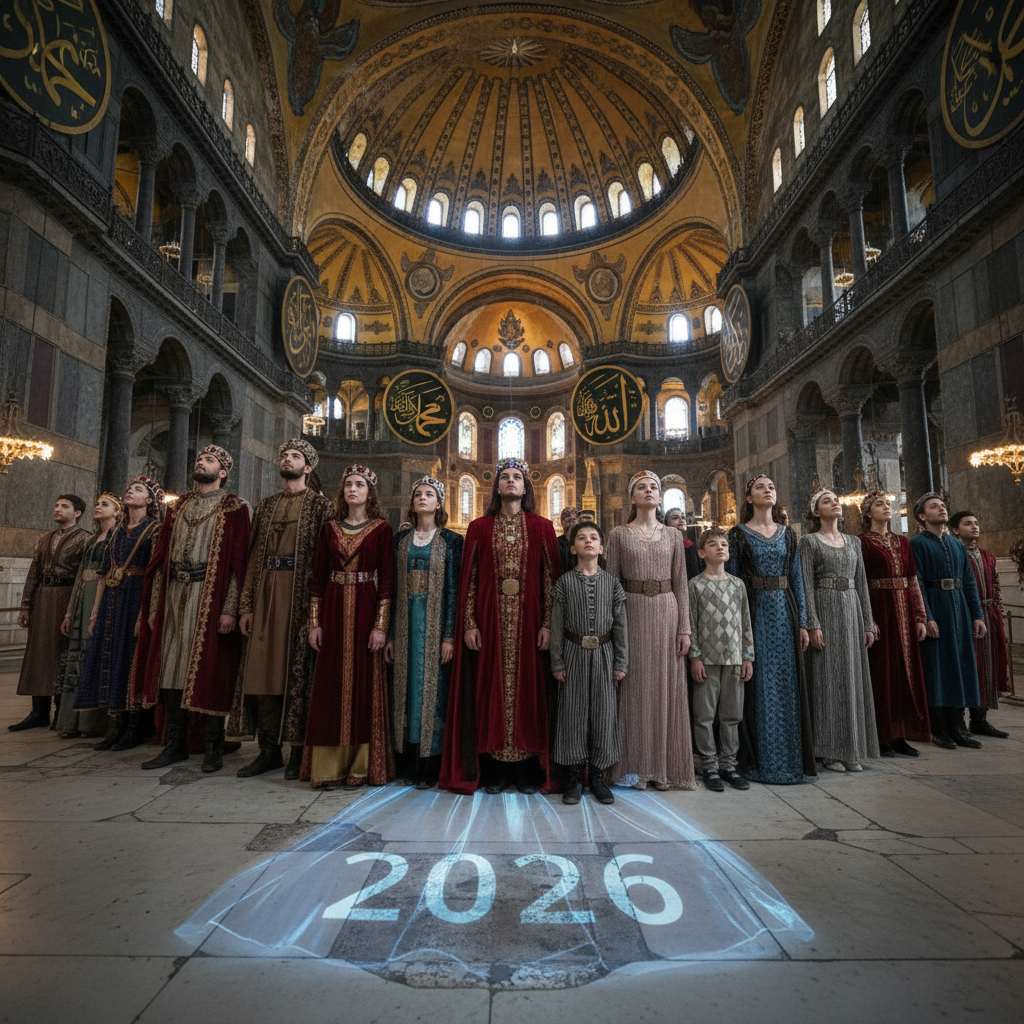
Hagia Sophia Post-Visit Reflection
As we arrive in 2026, Hagia Sophia, a structure where history and mysticism intertwine in the heart of Istanbul, continues to captivate visitors from all corners of the world. This article offers a comprehensive Hagia Sophia Post-Visit Reflection, transforming your experience from a mere trip into a journey that leaves deep imprints on your soul. Indeed, every corner of this unique structure whispers thousands of years of stories, securing an unforgettable place in visitors' memories. Hagia Sophia offers its visitors an unparalleled experience, not only with its architecture but also with the cultural and historical heritage it carries.
Feelings After Visiting Hagia Sophia: A Spiritual Experience
For many, the time spent at Hagia Sophia means not just seeing a monument, but also embarking on a spiritual journey. From the moment you step inside, the tranquility and awe you feel under the massive dome are emotions that cannot be expressed in words. Clearly, the fundamental reason this structure creates such a profound impact lies in its traces of different faiths and civilizations. This spiritual journey is a key part of any Hagia Sophia Post-Visit Reflection.
The Magic of Architecture and Details
Hagia Sophia's architecture, with its colossal dome considered a marvel of engineering, was built with an understanding far ahead of its time. It stands almost like a piece of the sky. Visitors, as they tour this magnificent structure, experience the power of empires and artistic elegance simultaneously. Furthermore, the materials, mosaics, and decorations used inside the building combine with light to offer visitors a visual feast. To delve deeper into its structural marvels, explore Hagia Sophia's Architectural Evolution: A Journey Through Ages.
- The magnificence and engineering genius of the main dome.
- Light play and color filtering within the interior.
- Detailed examination of mosaics and frescoes from different periods.
- The captivating effect of the building's acoustics on the human voice. For more on this, check out Hagia Sophia's Traveler Compositions: Millennia of Melodies, Rhythms, and 2026 Echoes.
Journey to the Past: A Story in Every Corner
Every wall and every column of Hagia Sophia holds countless stories: the rise and fall of empires, the union and separation of religions. Once a church, then a mosque, and now once again open for worship, Hagia Sophia offers visitors the opportunity to be a living witness to history. Undoubtedly, research conducted after your visit allows for a deeper understanding of these stories, enhancing your Hagia Sophia Post-Visit Reflection.
Curiosities and Hidden Information About Hagia Sophia After Your Visit
Hagia Sophia's mystical atmosphere often leads to many questions in visitors' minds. Seeking answers to these questions after your visit means exploring the mysterious world of Hagia Sophia more closely. Here are some less-known details about Hagia Sophia that will enrich your Hagia Sophia Post-Visit Reflection:
The Weeping Column and Wishes
The marble column inside Hagia Sophia, known as the "Weeping Column," is always a point of interest for visitors. It is believed that this column carries the tears of the Virgin Mary, and making a wish by putting a finger into the hole in the column and turning it has become a tradition. This mystical belief becomes one of the unforgettable memories after visiting Hagia Sophia.
Secrets and Symbolism of the Mosaics
The mosaics in Hagia Sophia present some of the finest examples of Christian and Byzantine art, while also showcasing the imperial symbolism and religious beliefs of the era. Works like the Deesis and Imperial mosaics offer visitors both aesthetic pleasure and a historical lesson. Absolutely, every detail of these mosaics provides clues about the artistic and religious understanding of the period.
- The deep symbolism in the Deesis mosaic.
- The meanings of the mosaics depicting the imperial family.
- New mosaics uncovered during restoration work.
Hagia Sophia's Acoustics: A Musical Sanctuary
Hagia Sophia's perfect acoustics have been a fascinating feature since the Byzantine era. The building's dome and interior design make the sound reverberate and spread so effectively that even the slightest whisper can echo. This acoustic property deepened the atmosphere of hymns and prayers during worship. Today, this unique acoustic continues to provide unforgettable moments for visitors, adding another layer to your Hagia Sophia Post-Visit Reflection.
Hagia Sophia in 2026: What Has Changed for Visitors?
The status of Hagia Sophia and the visitor experience have undergone significant changes in recent years. As of 2026, how visitors experience Hagia Sophia as a place of worship and the effects of these changes are subjects of curiosity. Understanding these dynamics after your visit will make your experience more comprehensive and inform your Hagia Sophia Post-Visit Reflection.
Entry Conditions and Visitor Experience
In 2026, the visitor conditions for Hagia Sophia have changed somewhat since it was opened for worship. Visitors must abide by the rules and dress code applied at the entrance. Female visitors are expected to cover their heads, while men are advised to avoid wearing shorts or skirts above the knee. These rules are important due to Hagia Sophia's dual status as both a place of worship and a historical monument. For more details on appropriate attire, refer to Hagia Sophia's Traveler Attire: From Imperial Grandeur to Folk Garb (2026).
Cultural Interaction and Understanding
The reopening of Hagia Sophia as a mosque has created a new area of interaction between people of different cultures and faiths. Here, visitors have the opportunity to explore both architectural and historical beauties, as well as experience the atmosphere of religious worship. This can help develop a deeper cultural and spiritual understanding after visiting Hagia Sophia. Currently, the fact that admission is free has, as of 2026, enabled more local and foreign tourists to visit. However, with the increase in crowds, additional regulations have been introduced in some areas to manage visitor flow. This is a factor to consider when planning your visit experience and for your Hagia Sophia Post-Visit Reflection.
Continue Exploring Istanbul After Your Hagia Sophia Visit
After leaving Hagia Sophia, you have a wonderful opportunity to discover the other riches Istanbul has to offer. The Sultanahmet area, located right next to Hagia Sophia, houses many other attractions filled with history and culture. The time you spend in these areas after visiting Hagia Sophia will complete your Istanbul experience and provide more material for your Hagia Sophia Post-Visit Reflection.
Topkapi Palace: The Heart of the Ottomans
Located directly opposite Hagia Sophia, Topkapi Palace was the center from which the Ottoman Empire was governed for centuries. The palace, with its harem quarters, sacred relics section, and rich collections, offers visitors a comprehensive look into Ottoman life. Visiting this palace after Hagia Sophia allows you to bring together the stories of two great empires. Find more information about Topkapi Palace on the official museum website.
Sultan Ahmed Mosque (Blue Mosque): A Masterpiece of Islamic Art
Between Hagia Sophia and Topkapi Palace stands the Sultan Ahmed Mosque, also known as the Blue Mosque, with its minarets reaching towards the sky. Famous for its handmade blue Iznik tiles decorating its interior, this mosque is one of the pinnacles of Ottoman architecture. Visiting this mosque after Hagia Sophia offers the opportunity to compare the architectural beauty of two different periods and two different places of worship.
Basilica Cistern: Mystery Beneath the Ancient Ground
The Basilica Cistern, located within walking distance of Hagia Sophia, is a massive ancient water reservoir dating back to the Byzantine era. The Medusa heads within the cistern and the dimly lit atmosphere provide visitors with a mystical experience. The cistern, an ideal stop to cool off during the summer months, is a perfect alternative for those seeking a different atmosphere after visiting Hagia Sophia. Learn more about the Basilica Cistern's intriguing history and current exhibitions.
Preserving and Sharing Your Hagia Sophia Post-Visit Reflection
Preserving and sharing the memories and impressions gained from Hagia Sophia makes your visit even more meaningful. In the modern era of 2026, immortalizing these memories is easier than ever, thanks to technology, allowing for a richer Hagia Sophia Post-Visit Reflection.
Collecting Memories with Photos and Videos
With smartphones and professional cameras, you can immortalize every corner of Hagia Sophia. By capturing the way light filters in, the details of the mosaics, or the grandeur of the massive dome, you can relive that moment every time you look back after visiting Hagia Sophia.
Travel Journals and Blog Posts
Writing your impressions about your visit in a travel journal or sharing them as a blog post both deepens your own experience and inspires others. Clearly, putting your feelings, learnings, and observations from Hagia Sophia into writing solidifies the impact this unique structure had on you. Consider penning your thoughts in a Hagia Sophia Traveler's Memoir in 2026.
Social Media and Storytelling
Social media platforms are a great tool for sharing your Hagia Sophia experience with a wide audience. You can combine the photos and videos you take with short stories or descriptions to convey them to your followers. Ultimately, this not only keeps your memories alive but also helps others discover this unique structure after visiting Hagia Sophia.
Remember, Hagia Sophia is not just a building, but a living history. Visiting it is to become a part of that history, and every story whispered by Hagia Sophia will continue to live with you, enriching your Hagia Sophia Post-Visit Reflection.