Hagia Sophia's Traveler's Memoirs: Walls and Guestbooks Speaking with the Past in 2026
As we arrive in 2026, the Hagia Sophia traveler's memoir highlights a structure holding a special place in the hearts of visitors worldwide. This unique building, with its history spanning over fifteen hundred years, is not only an architectural marvel but also home to thousands of stories and memories hidden in every corner, echoing the past into the present day. This article delves into the narratives woven by its ancient walls and contemporary guestbook entries.
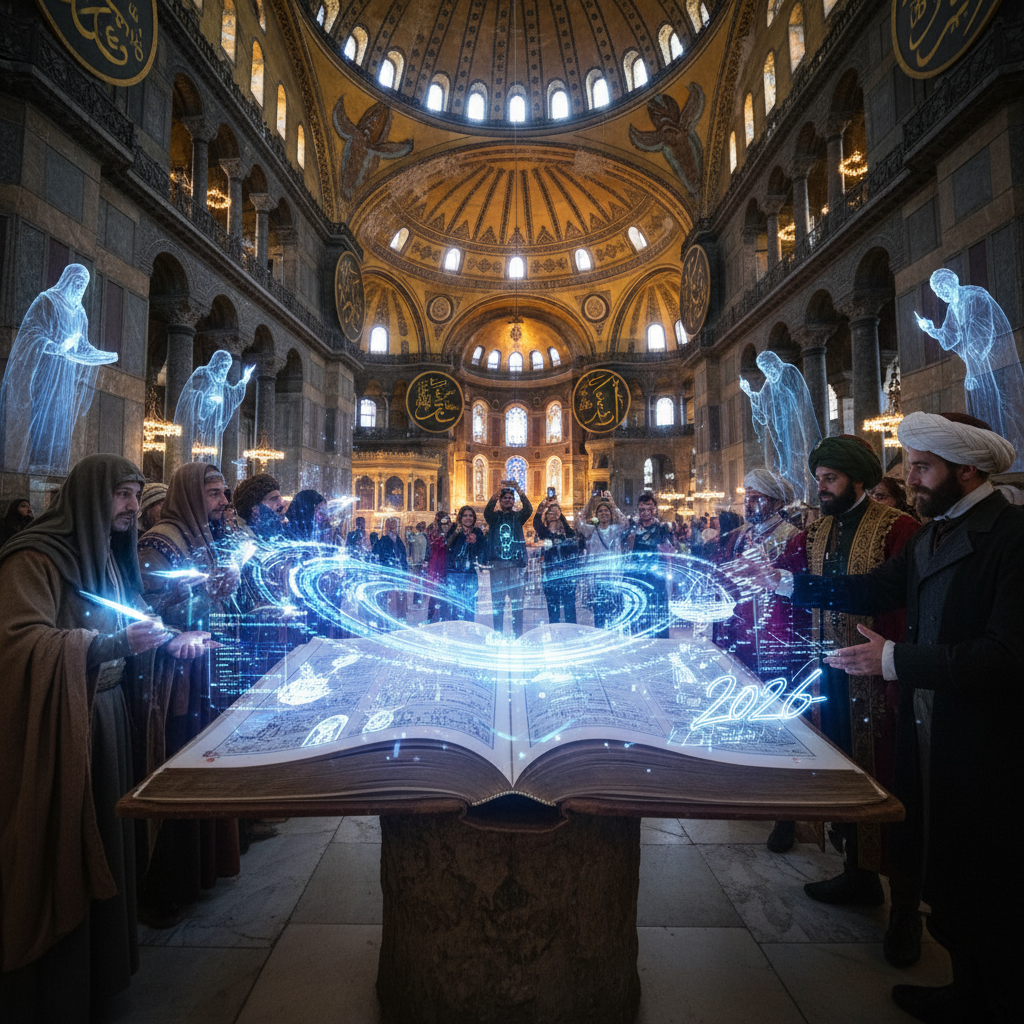
Hagia Sophia Traveler's Memoir 2026: Walls and Guestbooks Speaking with the Past
As we arrive in 2026, the Hagia Sophia Traveler's Memoir 2026, which holds a special place in the hearts of travelers from all over the world, carries the echoes of the past to the present. This unique structure, with its history spanning over fifteen hundred years, is not only an architectural marvel but also home to thousands of stories and memories hidden in every corner. In this article, discover the fascinating atmosphere of Hagia Sophia through the eyes of a traveler, exploring the secrets whispered by its walls and the emotional moments left in its guestbooks. Hagia Sophia opens a different window for every visitor, and in 2026, it continues this tradition.
Hagia Sophia's Historical Layers: A Traveler's Perspective in 2026
Hagia Sophia boasts a long history, extending from the glory of the Byzantine Empire to the elegance of the Ottoman Empire. Specifically, each period has left its indelible mark on its architecture and spirit. Therefore, a traveler visiting Hagia Sophia in 2026 will immediately notice these layered histories.
As one moves from the exterior to the interior of the structure, it is possible to see stonework, mosaics, and examples of calligraphy bearing the traces of different civilizations. In essence, Hagia Sophia is like a living history book, and its pages tell a different story in every corner. Especially, the time spent under the main nave and the dome offers the visitor an experience beyond time. To delve deeper into its ancient history and what lies beneath, consider reading about the Hagia Sophia's Mysterious Layers: Centuries of Geological Secrets and Whispers of Stones (2026). This exploration contributes significantly to the Hagia Sophia Traveler's Memoir 2026.
From Empire to Mosque: Traces of Transformation
The transformations Hagia Sophia has undergone from its initial construction to the present day constitute its unique character. Its transformation from a grand church to a mosque, then a museum, and back to a mosque, has left traces of different cultures at every step. Christian mosaics from the Byzantine period and Islamic calligraphy from the Ottoman period stand side by side, offering one of the most beautiful examples of cultural synthesis. For travelers, the harmony of these contrasts makes Hagia Sophia even more interesting.
The marble blocks, column capitals, and wood carvings within the structure reflect the aesthetics of each period. Indeed, these traces paint a vivid picture of history in the mind of the traveler visiting Hagia Sophia. Especially in current 2026, preserving these historical layers and passing them on to future generations is of great importance. You might also find fascinating insights into the unique visitors it has hosted over the centuries on our page about Hagia Sophia's Voyager Explorers: Visitors Who Altered History and Intriguing Perspectives for 2026.
Architectural Marvel and Engineering Genius
Hagia Sophia is not only a historical site but also a masterpiece of architectural and engineering genius. Its colossal dome, in particular, continues to amaze scientists regarding how it was built with the technological possibilities of its time. Furthermore, the acoustic arrangement and the use of light inside fill the structure with a mystical atmosphere.
- Large dome: This impressive dome stands 55.6 meters high and 31.87 meters in diameter.
- Materials used: Marbles and stones were meticulously sourced from all over the world.
- Lighting: Natural light illuminates the interior thanks to the strategic placement of windows.
- Earthquake resistance: Structural reinforcements have kept it standing for centuries.
These features are among the details that attract the most attention and admiration from travelers during visits within the scope of the Hagia Sophia Traveler's Memoir 2026. Ultimately, standing under the engineering marvel of the dome is like a moment where time stands still. For an in-depth guide to planning your visit, check out the Hagia Sophia Traveler's Guide 2026: A Time Journey from Virtual Reality to Ancient Secrets.
Whispers of the Past: Hagia Sophia's Mystical Stories
Hagia Sophia attracts attention not only with its historical and architectural features but also with the mystical stories and legends woven around it. Significantly, these stories further enrich the structure's mysterious atmosphere and offer visitors a different experience.
Especially places like the Wishing Column (Sweating Column) are special spots where people have whispered their hopes and wishes for centuries. Clearly, such details are among the personal experiences frequently featured in the Hagia Sophia Traveler's Memoir 2026.
The Wishing Column and Other Legends
The Wishing Column is one of Hagia Sophia's most popular spots. According to legend, if a person puts their hand into the hole in this column and makes a wish, their wish will come true. Thousands of people have carried their hopes to this column and made a wish for centuries. This is not just a tradition but also a belief that reflects Hagia Sophia's spiritual dimension.
Furthermore, it is believed that this column, also known as the "Sweating Column," has healing properties because it is constantly damp. Visitors touch both history and legend by touching it. This unique interaction forms a memorable part of any Hagia Sophia Traveler's Memoir 2026.
- Wishing Column: The column believed to be miraculous and where wishes are made.
- Hızır Makamı: A belief in some Islamic sources that Prophet Hızır (Al-Khidr) has a station in Hagia Sophia.
- Myth of the Maiden's Tower: Legends common throughout Istanbul but also connected to Hagia Sophia.
Bishop Gregorius's Tomb and Other Mysteries
Within and around Hagia Sophia, there are many mysteries that have not yet been fully solved. For instance, some places, like Bishop Gregorius's tomb, represent secrets hidden in the depths of the structure. Such details make Hagia Sophia even more intriguing for history enthusiasts and researchers. Explore other compelling secrets on our page detailing Hagia Sophia's Enigmatic Guardians: Hidden Traces of the Knights Templar and Ancient Orders (2026).
Additionally, some symbols and inscriptions in the structure are still being examined by today's archaeologists and historians. Every new discovery opens a new window into Hagia Sophia's past and inspires travelers writing the Hagia Sophia Traveler's Memoir 2026.
Hagia Sophia Through the Eyes of a 2026 Traveler: Visitor Experiences
For a traveler visiting Hagia Sophia in 2026, the experience is not just a visual feast but also a deep spiritual journey. The atmosphere of the structure immediately captivates one and builds a bridge between the past and the present. In this section, we will focus on the experiences of today's travelers in Hagia Sophia.
Guestbooks and social media shares are important sources of information in the context of the Hagia Sophia Traveler's Memoir 2026. Travelers express their Hagia Sophia experiences from many different angles, from architecture to history, from the spiritual atmosphere to cultural richness.
Being a Traveler in the Digital Age: Social Media in Hagia Sophia
For today's travelers, sharing their experiences is an integral part of their journeys. Those visiting Hagia Sophia do not hesitate to immortalize the beauty and splendor of this unique structure with photos and videos. Hagia Sophia content shared on Instagram, TikTok, and other platforms increases the structure's global popularity.
Visitors typically make the following types of shares:
- Impressive photos of domes and mosaics.
- Panoramic videos from inside Hagia Sophia.
- Short stories and comments detailing their personal experiences.
- Informative posts highlighting historical details and architectural features.
These shares help Hagia Sophia maintain its virtual presence and attract the interest of new travelers. As of 2026, this trend is observed to continue and even increase, enriching the collective Hagia Sophia Traveler's Memoir 2026.
Traveler's Notebooks and Personal Reflections
Hagia Sophia's guestbooks contain the feelings and thoughts of people from all over the world for centuries. These notebooks are invaluable documents, showing how Hagia Sophia is experienced through the eyes of a traveler. In the Hagia Sophia Traveler's Memoir 2026, seeing modern notes in these notebooks builds a beautiful bridge between the past and the present.
A traveler might write in the notebook:
- "The peace I felt standing under the immense dome is indescribable."
- "Every detail of the mosaics seemed to whisper stories of centuries."
- "Hagia Sophia is not just a structure, but a living soul. With every step, you descend into the depths of history."
- "It's incredible that it's still so captivating even in 2026. I will definitely come back."
These personal notes prove that Hagia Sophia is not only a visual attraction but also a mystical place that touches the human soul. For further insights into how visitors engage with the site, you might be interested in a report from the UNESCO World Heritage Centre regarding global engagement with cultural sites.
Practical Information for Visitors to Hagia Sophia (2026)
For travelers planning to visit Hagia Sophia in 2026, some practical information will make their visit more efficient and enjoyable. This information includes details about transportation, visiting hours, and important rules, all contributing to a seamless Hagia Sophia Traveler's Memoir 2026 experience.
Transportation and Entry Requirements
Hagia Sophia is located in the historic peninsula of Istanbul, in Sultanahmet Square, and can be easily reached by many public transport vehicles. Tram or bus are the most preferred transportation methods. Important points for visitors to note as of 2026:
- Metro/Tram: You can reach it by taking the T1 Kabataş-Bağcılar line and getting off at the Sultanahmet stop, followed by a short walk.
- Visiting Hours: Generally open to visitors outside of prayer times. It is best to check the current hours on the official website of the Presidency of Religious Affairs.
- Entrance Fee: As of 2026, general visitation to the Hagia Sophia Mosque is free. However, different arrangements may apply for certain special sections or the second-floor galleries. For precise information on visiting hours and regulations, refer to the Presidency of Religious Affairs official website.
Visitor Rules and Tips
Since Hagia Sophia is currently an active mosque open for worship, visitors are required to adhere to certain rules. These rules are important both to respect religious sensitivities and to preserve the international Hagia Sophia Traveler's Memoir 2026 experience.
- Dress Code: Women are required to wear headscarves and clothing that covers their shoulders and knees. Men are also advised to wear long trousers instead of shorts. It is possible to obtain necessary coverings at the entrance.
- Footwear: Shoes must be removed when entering the mosque. Special shelves and bags for shoes are available.
- Silence: It is important to maintain silence as there may be people praying inside.
- Photography: Photography is generally permitted without using flash and without disturbing those praying.
- Guided Tours: Those who wish to learn more about the structure can join tours with licensed guides. These tours are an excellent way to explore the depths of Hagia Sophia.
In light of this information, your visit to Hagia Sophia in 2026 will be both more informed and more meaningful. It will be beneficial to consider these tips to fully experience the historical, cultural, and spiritual riches offered by this unique structure.
The Future of Hagia Sophia and the Traveler's Responsibility (2026)
Hagia Sophia is a heritage that needs to be cared for as much for its future as for its past. In 2026, preserving this unique structure and passing it on to future generations carries a great responsibility. As a traveler, every visit to Hagia Sophia is part of this responsibility.
Showing respect for the structure, adhering to the rules, and being environmentally conscious is every traveler's duty within the framework of the Hagia Sophia Traveler's Memoir 2026. During this period of intense tourist influx, supporting measures taken to prevent wear and tear on the structure is vitally important.
Sustainability and Conservation Efforts
Restoration and maintenance work are continuously carried out to preserve Hagia Sophia. These efforts aim to protect the historical fabric of the structure and pass it on in good condition to future generations. Travelers' attention to these works and adherence to rules contribute to conservation efforts.
Ongoing conservation projects in 2026 include:
- Cleaning and repair of mosaics.
- Structural reinforcement works.
- Strategies for visitor management and crowd control.
- Education and awareness campaigns.
Supporting such efforts is essential for Hagia Sophia to maintain its global heritage status and to enrich the Hagia Sophia Traveler's Memoir 2026 for future generations.
Hagia Sophia's World Heritage Status and Importance
Hagia Sophia is a structure included in the UNESCO World Heritage List. This status indicates that it is an important cultural and historical heritage not only for Turkey but for all humanity. Visiting Hagia Sophia as a traveler means being a part of this world heritage.
Therefore, visitors are expected to be aware of Hagia Sophia's special status and act accordingly. Every Hagia Sophia Traveler's Memoir 2026 should emphasize the value of this heritage and call attention to its preservation. Insights into its preservation challenges and solutions can be found in academic papers discussing cultural heritage site management.
In conclusion, Hagia Sophia, in 2026, remains a unique structure that brings together the splendor of the past, the curiosity of the present, and the hopes of the future. Every traveler becomes a part of this magical place and adds their own notes to its story. The walls of Hagia Sophia will continue to whisper this magnificent memoir, ongoing for fifteen hundred years.