Hagia Sophia's Voyager Explorers: Visitors Who Altered History and Intriguing Perspectives for 2026
Hagia Sophia, a monument rich with legends, has hosted countless individuals throughout history, transitioning through roles as church, mosque, and museum. Its walls resonate with compelling visitor stories from centuries past. In 2026, the allure of this architectural marvel remains as strong as ever, drawing explorers curious about its storied past and enduring significance. Discover how these visitors, from emperors to pilgrims, have shaped its narrative.
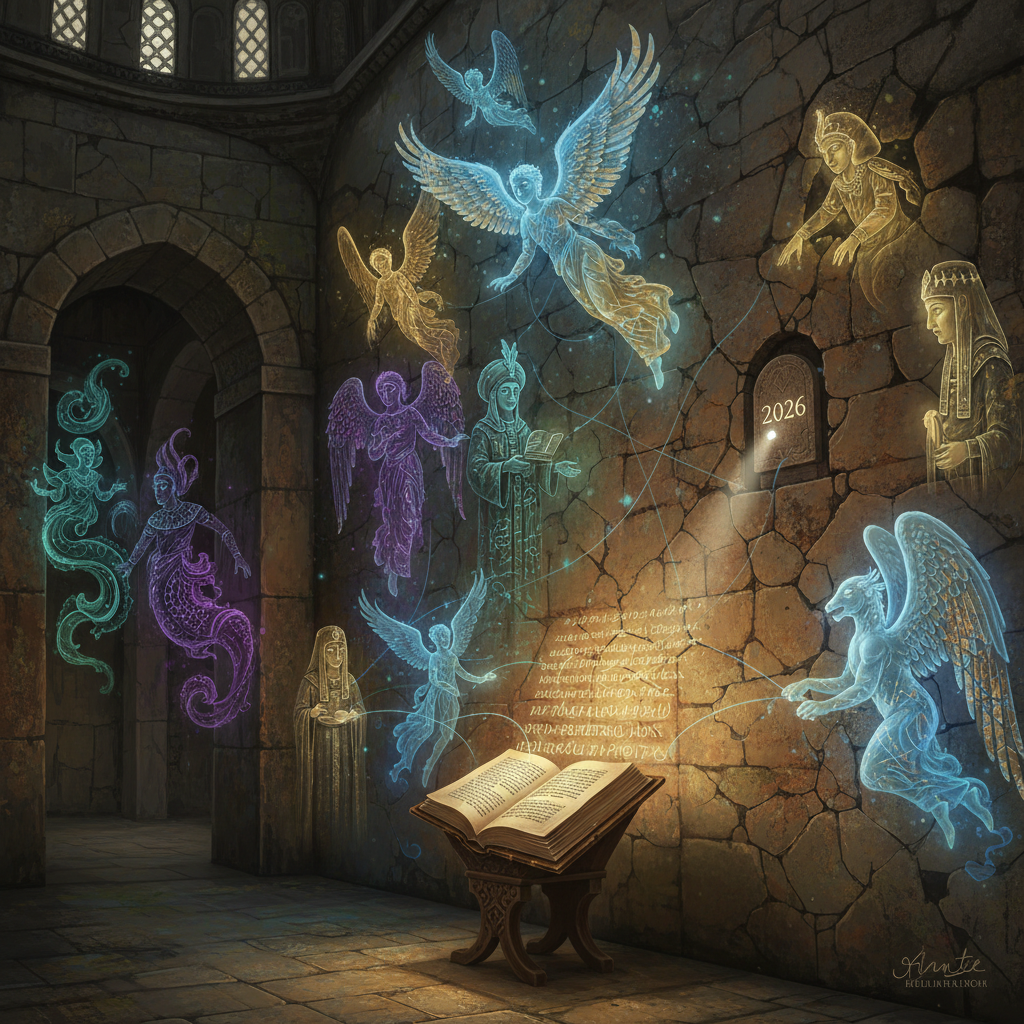
Hagia Sophia Visitor Stories: A Journey Through Time
Each stone filled with legends, Hagia Sophia has hosted countless people throughout the ages, sometimes serving as a church, sometimes a mosque, sometimes a museum, and now once again as a place of worship. The walls of this magnificent structure have echoed with Hagia Sophia visitor stories for centuries. Even in 2026, the allure of this unique structure continues to grow, captivating visitors from all corners of the world. In this article, we will delve into the traces left by Hagia Sophia's traveling explorers throughout history and the contemporary significance of this unparalleled structure, exploring how its global works and presence have shaped its legacy.
Hagia Sophia Visitor Stories: A Bridge from the Past to the Present
Hagia Sophia's history transcends that of an ordinary building, bearing witness to pivotal turning points in human history. This masterpiece is not merely an architectural structure, but also a living memory that carries the imprints of different cultures, beliefs, and eras. Every person who has visited here has become a part of this memory. For a deeper dive into the symbolic narratives, explore the Hidden Meanings of Hagia Sophia.
Byzantine Era Visitors and the Splendor of the Sacred Space
- Emperors and Envoys: Hagia Sophia was the heart of the Byzantine Empire. Emperors held their coronation ceremonies here, and foreign envoys were captivated by the sight of this magnificent structure. Contemporary chronicles often describe Hagia Sophia's golden mosaics, colossal dome, and the mystical atmosphere created by its play of light. These visits held not only diplomatic but also religious and cultural significance.
- Ordinary Christian People: For the Christian populace of the era, Hagia Sophia was a center of worship and miracles. Participating in sacred rites, touching icons, and spending time in this holy atmosphere were integral parts of their faith. Among the Hagia Sophia visitor stories are countless personal experiences, such as those cured of illnesses or whose wishes were granted. These personal narratives demonstrate Hagia Sophia's profound impact on the common people.
- Pilgrims and Scholars: Especially during the Crusades, pilgrims from Europe were astonished by the grandeur of Constantinople and Hagia Sophia. These visitors carried the knowledge and experiences gained from Hagia Sophia back to their home countries, contributing to the spread of the structure's fame in the West. Some scholars, moreover, studied Hagia Sophia's architecture and art, using it as an inspiration for their own works.
Ottoman Period and Hagia Sophia Through the Eyes of Sultans
After the conquest of Istanbul, Hagia Sophia was converted into a mosque by Sultan Mehmed the Conqueror. This transformation led to a significant change in the structure's religious and cultural identity. However, Hagia Sophia's allure never diminished; on the contrary, it ascended to a different dimension. Ottoman sultans maintained Hagia Sophia in a special status and enriched it with the finest examples of Islamic art and architecture. The Hagia Sophia visitor stories from this period developed within a different cultural framework. Many of these tales are as fascinating as the Mysterious Guardians and Legends that seem to live within its walls.
- Ottoman Sultans and their Families: Hagia Sophia was an important place of worship and a symbolic structure for the Ottoman dynasty. Sultans performed Friday prayers here, and prayed before making important decisions. The visits of sultans and their families to Hagia Sophia represented the unification of state and religion. During these visits, the spiritual atmosphere of Hagia Sophia was further strengthened.
- Travelers and Geographers: With the expansion of the Ottoman Empire, Istanbul and Hagia Sophia became a focal point of interest for travelers, geographers, and envoys from all over the world. Travelers like Evliya Çelebi included detailed descriptions of Hagia Sophia in their works, vividly narrating the building's architecture, decorations, and the life within. These accounts continue to help us understand the spirit of Hagia Sophia during the Ottoman period even today.
- Hagia Sophia in the Eyes of the Local People: In the Ottoman period, Hagia Sophia was not only a place of worship for the people of Istanbul but also a part of their social and cultural life. On special occasions such as Ramadan and Eid al-Adha, people would gather at Hagia Sophia, offer prayers in this sacred place, and strengthen community solidarity. Hagia Sophia visitor stories reflect the deep attachment of the common people to this magnificent structure.
The Republican Period and Hagia Sophia's Museum Years: A Universal Heritage
With the establishment of the Republic of Turkey, Hagia Sophia gained museum status (1935) by the directives of Mustafa Kemal Atatürk. This decision allowed Hagia Sophia, as a universal art and historical heritage, to be opened to all humanity. The museum years made Hagia Sophia a focal point for various archaeologists, art historians, and tourists from around the world. The Hagia Sophia visitor stories from this period evolved into a different cultural dimension and transformed Hagia Sophia into a universal symbol. For a deeper understanding of its visual history, consider the insights from Hagia Sophia's Mysterious Reflection.
- Archaeologists and Art Historians: The museum status enabled detailed scientific research on Hagia Sophia. During this period, mosaics were unearthed, and attempts were made to unravel the architectural secrets of the structure. For scientists, Hagia Sophia was an invaluable treasure of human history and art. Their work allowed us to discover the depths of Hagia Sophia.
- Worldwide Tourists: With its transformation into a museum, Hagia Sophia became one of the most popular destinations for international tourism. Millions of people came to Istanbul each year to see this unique structure, trace the footprints of the past, and experience a meeting point of different cultures. Among the Hagia Sophia visitor stories is the shared admiration and astonishment felt by people from different languages and cultures in the face of this building's magic. This period ensured Hagia Sophia's recognition as a universal heritage.
- Education and Cultural Events: As a museum, Hagia Sophia also hosted many cultural and educational events. Conferences, exhibitions, and panels were organized, and efforts were made to develop historical and art awareness, especially among young people. Hagia Sophia continued to serve as a bridge between the past and the future.
Hagia Sophia in 2026: Reopened for Worship and the Visitor Experience
With Hagia Sophia's reopening for worship in 2020, a new era began in the visitor experience. As we reach 2026, how this unique structure is experienced as both a place of worship and a historical monument holds significant importance. Visitors now encounter an atmosphere where they can also be a part of worship, often discovering Whispers on the Walls and New Secrets Unveiled in 2026. These contemporary Hagia Sophia visitor stories add new layers to its rich history.
Visiting Hagia Sophia in Today's Conditions
- Freedom of Worship and Tourist Exploration: Today, Hagia Sophia continues to attract visitors with its historical and architectural features, while also being open for worship as a mosque. This allows visitors to both experience the spiritual atmosphere of the building and explore its historical and artistic values. The silence and reverence of those worshipping offer a different experience for visitors.
- Digital Guidance and Virtual Tours: In 2026, thanks to developing technology, the Hagia Sophia visitor experience has become more interactive. Mobile applications, augmented reality-supported guides, and virtual tours help visitors explore the history and secrets of Hagia Sophia more deeply. These technologies offer a more personal experience to visitors, especially during crowded times. For example, the Google Arts & Culture platform provides an immersive virtual exploration.
- Cultural Interaction and Understanding: Hagia Sophia is one of those rare places that bring together people from different faiths and cultures. The confluence of worshippers and tourists curious about the building's history enhances cultural interaction and mutual understanding. This situation allows Hagia Sophia to come to the forefront even more as a symbol of peace and tolerance in 2026. Hagia Sophia visitor stories reflect the beauty of this interaction from different perspectives.
The Magic of Hagia Sophia: Why Does It Still Attract So Many People?
Why does Hagia Sophia still attract so many people, from the past to the present? The answer lies not only in its architectural grandeur but also in the deep meanings it embodies and the mystical atmosphere it creates. Each Hagia Sophia visitor story reveals a different aspect of this magic. For further academic insights into global heritage sites like Hagia Sophia, explore resources from UNESCO's World Heritage Centre.
- Symbol of Change and Resilience: Hagia Sophia has undergone countless transformations throughout the ages, hosting different civilizations and beliefs. Yet, despite all these changes, it has managed to stand, resisting the flow of history as if defying it. This characteristic inspires people and evokes deep respect among visitors.
- Timeless Architecture and Artistic Value: Hagia Sophia's architecture is a product of genius far ahead of its time. Its colossal dome, play of light, and golden mosaics captivate everyone who visits. Every corner of the structure, which holds priceless value in terms of art history, dazzles with masterfully crafted details. This artistic heritage continues to impress visitors.
- Mystical and Spiritual Atmosphere: The walls of Hagia Sophia are filled with the energy of thousands of years of prayers and worship. Everyone who steps inside feels as if they have entered a different dimension. Whether a place of worship or a museum, Hagia Sophia is always a spiritual magnet. This mystical atmosphere enables visitors to have a deeply emotional and spiritual experience.
- Meeting Point of Cultures: Hagia Sophia is a unique place where East and West, Christianity and Islam meet. This feature makes it a symbol of global dialogue and understanding. Visitors witness how different cultures and faiths can coexist here. Hagia Sophia visitor stories showcase the richness and beauty of this cultural interaction. You can also trace some of these connections through Hagia Sophia's Traveler Routes: 2026's Forgotten Paths.
Hagia Sophia, in 2026, continues to draw people, inspire them, and take them on a journey through the depths of history. Each visitor's own Hagia Sophia visitor story adds new meaning to the rich heritage of this unique structure. This magnificent building is not just a relic of the past, but also a living monument that illuminates the future.